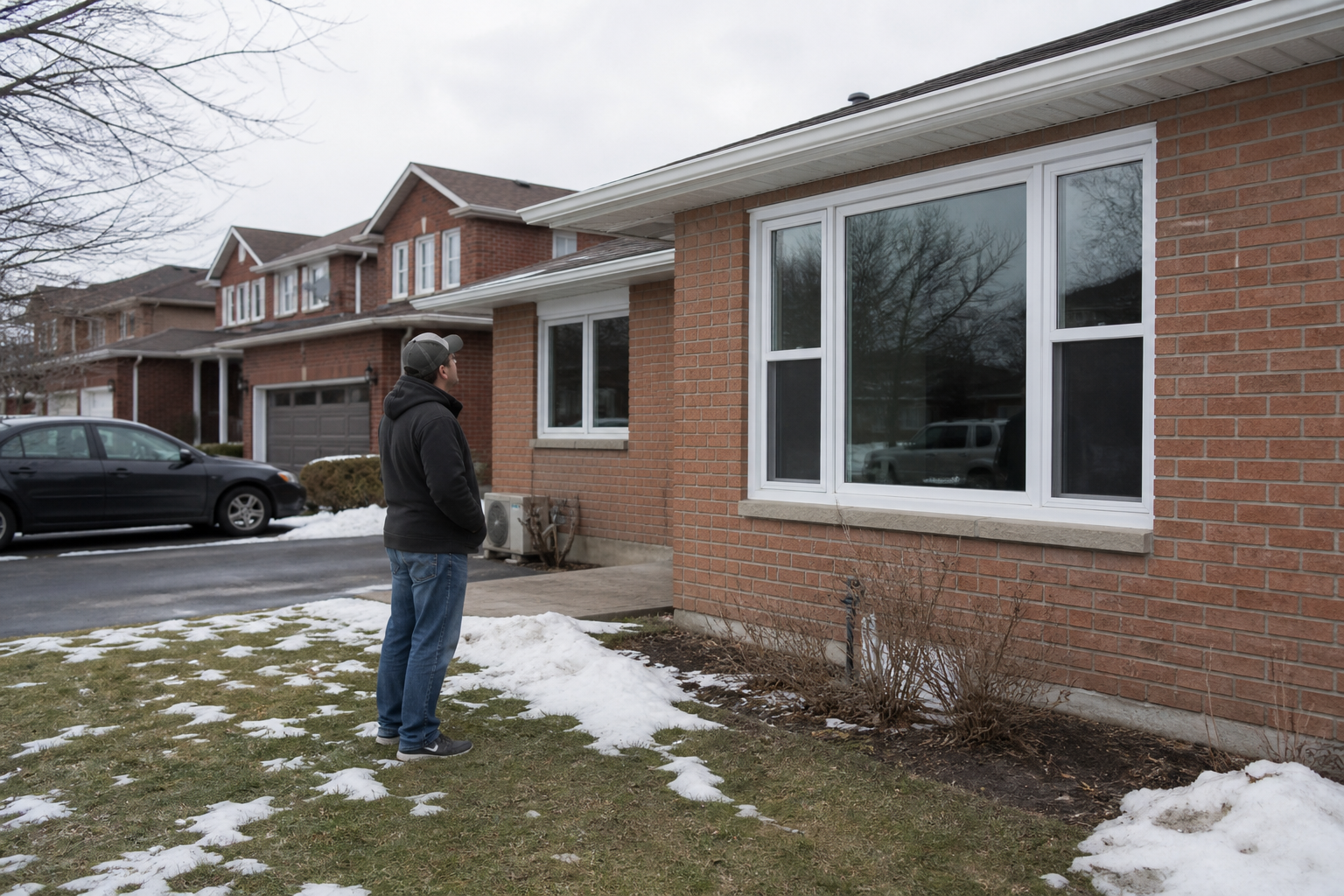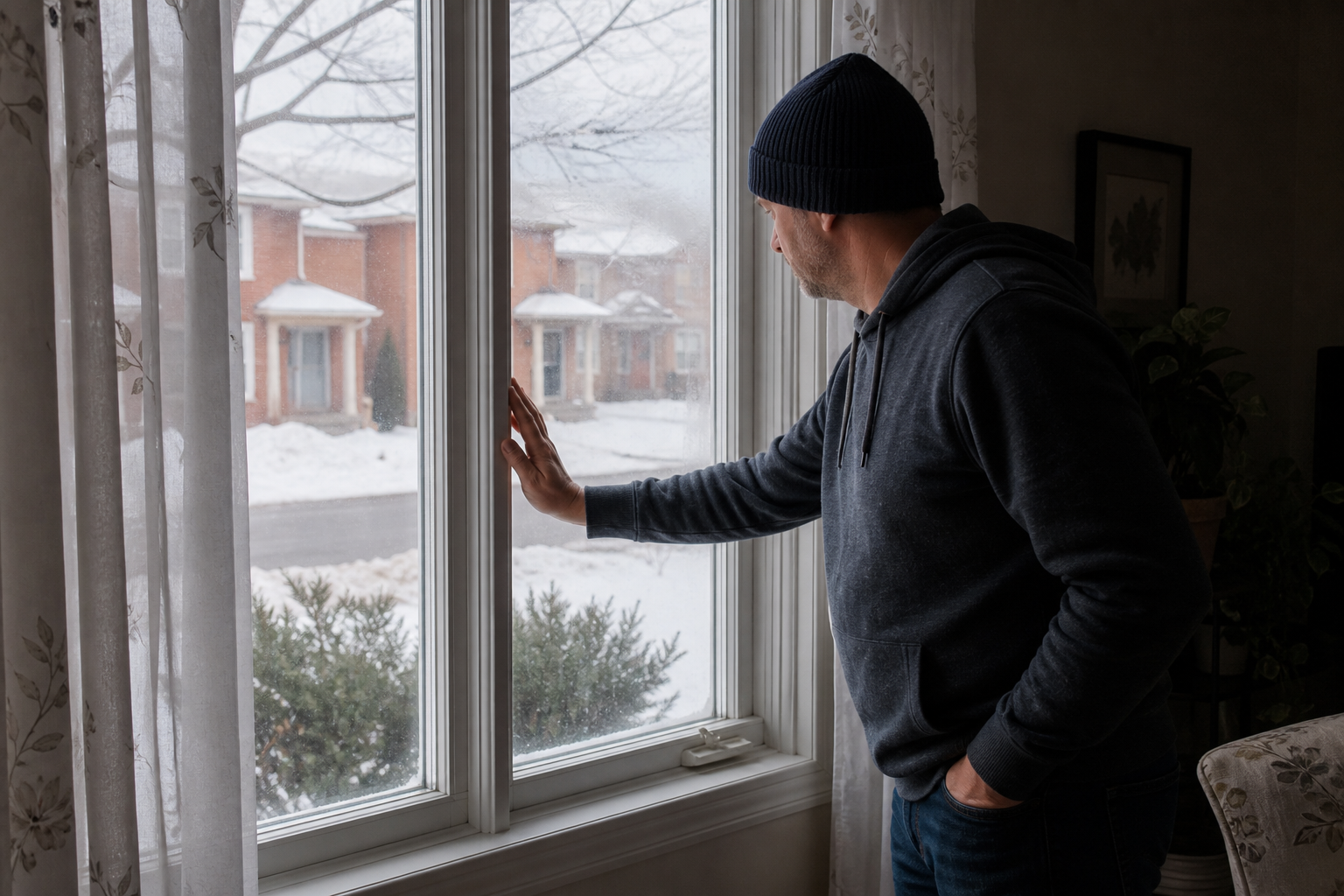
A few winters ago, I stood in a front room in Aurora with a homeowner who kept saying, "I don’t get it. The heat is on, but this room still feels cold." The old windows weren’t broken. They were just losing the battle.
That’s usually where the triple pane vs double pane windows question starts. Not in a showroom. In real life. A bedroom over the garage that’s always chilly. A family room facing a busy road. A January cold snap where you can feel the window before you even touch it.
And here’s the thing: triple pane is not automatically the right answer. Sometimes it absolutely pays off. Sometimes it’s money better spent somewhere else. So let’s compare them head to head, like a normal person would.
Why this choice matters more in Ontario
In Southern Ontario, windows deal with a lot. Humid July afternoons. Windy fall rain. January nights that make your furnace earn its keep. Add lake-effect weather up toward Barrie, older brick homes in Toronto, or newer subdivisions in York Region with big rear-facing windows, and the glass package starts to matter.
By glass package, I mean what’s inside the window unit itself: two panes or three, the sealed spaces between them, the gas between the panes, and the coating that reflects heat back where you want it. That coating is called Low-E, and the gas is usually argon. You don’t need to memorize the terms. You just need to know they affect comfort more than people think.
If you’re still early in the process, our guide to choosing vinyl windows in Toronto gives good background on what matters in local homes. But if you’re down to double vs triple, this is where the real trade-offs show up.
Double pane windows: the practical default
Most good vinyl replacement windows we install are double pane unless there’s a reason to go higher. And honestly, for a lot of homes, double pane does the job very well.
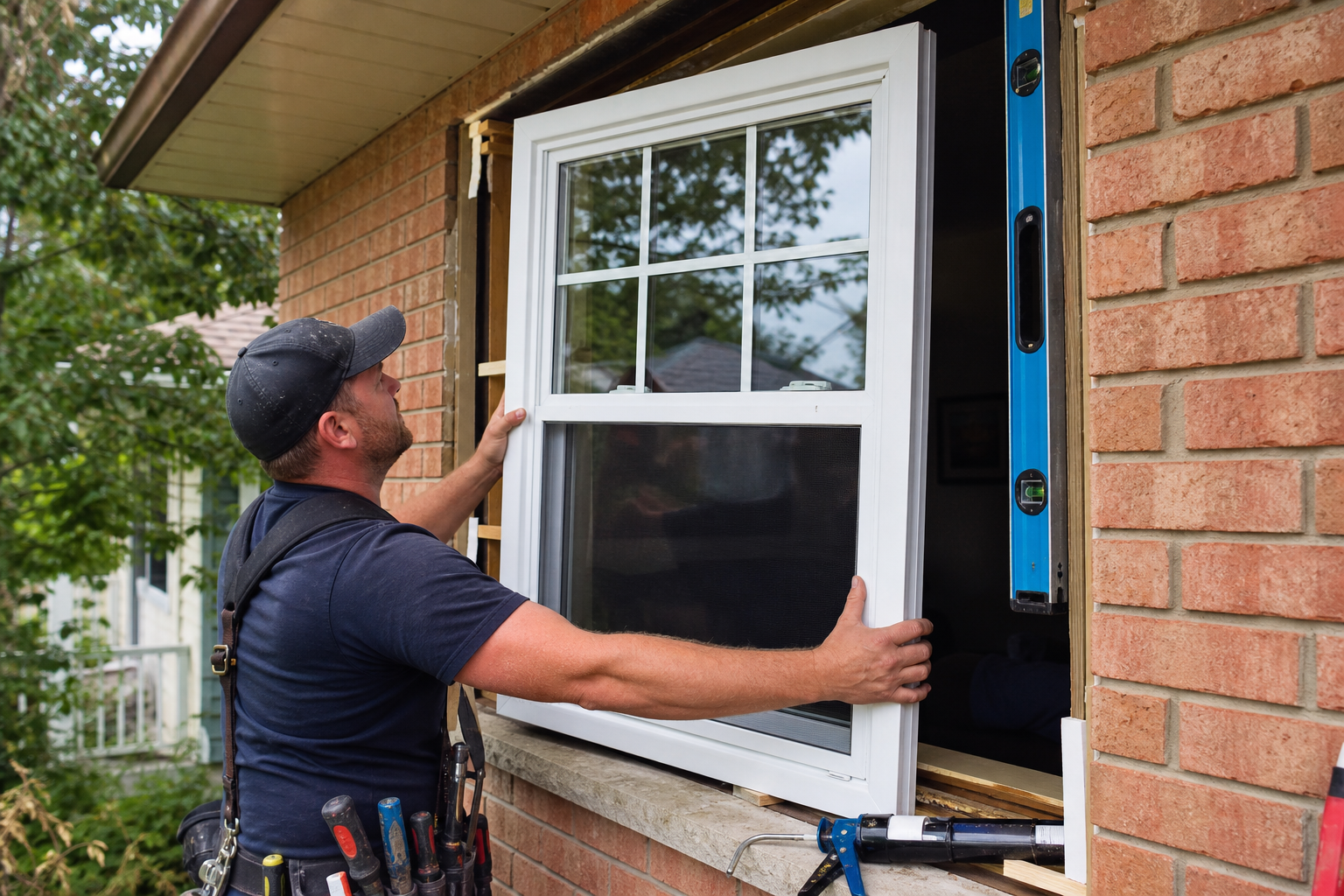
A double pane window has two layers of glass with a sealed gap in between. That gap slows heat loss and helps with noise compared with old single-pane or tired builder-grade units. In a decent frame, with proper weatherstripping and installation, double pane can feel like a huge upgrade.
Where double pane makes sense
- Main floor and second-floor rooms that already feel fairly comfortable
- Homes on quieter streets or cul-de-sacs
- Projects with a tighter budget where you’re replacing many windows at once
- Rooms with smaller or medium-sized windows, not giant glass walls
- Older homes where air sealing and installation quality may matter more than adding a third pane
The weak point? On colder days, the inside glass will usually feel cooler than triple pane. Not freezing. Just cooler. So if you sit right beside a big north-facing window in January, you may still notice that cold-radiating feeling. That’s not a draft, exactly. It’s the glass surface temperature.
Noise reduction is decent, but not magic. If you back onto Yonge Street, a collector road in Vaughan, or a busier stretch in Barrie, double pane helps, but you’ll still hear traffic. People are often surprised by that.
Triple pane windows: where the extra pane actually pays off
Triple pane adds a third sheet of glass and another sealed airspace. Simple idea. More layers between you and the weather. Usually better comfort, better energy performance, and often better sound control too.
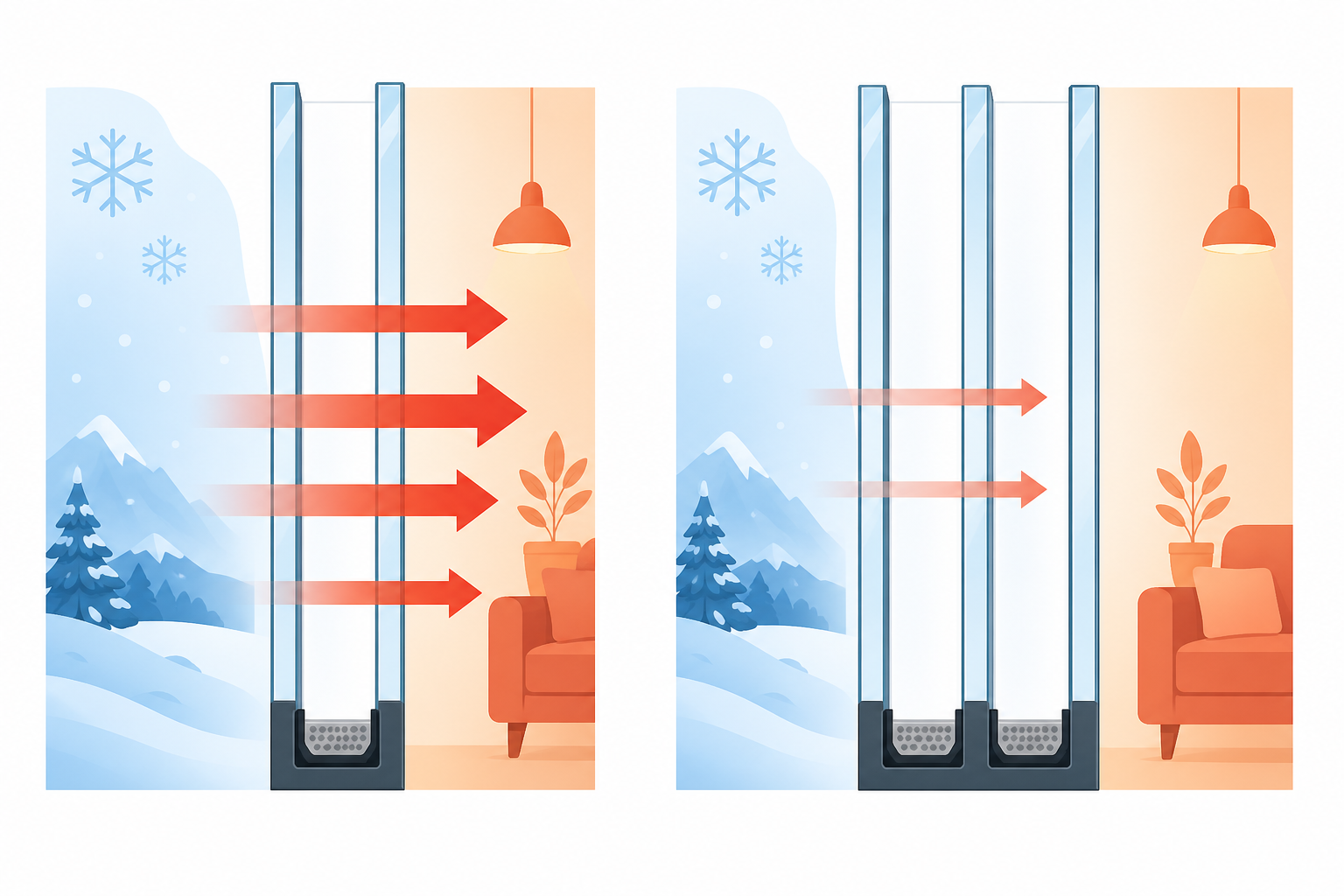
I say often because sound is a funny one. More glass helps, yes, but the full story depends on glass thickness, spacing, and frame design. Still, in real homes, triple pane usually gives you a noticeable step up in quiet.
We did a job in Newmarket near Davis Drive where the front bedrooms caught road noise all night. The homeowners were sure they needed some exotic fix. They didn’t. We changed out the old units for better-built windows with upgraded glass, and the room was noticeably calmer right away. Not recording-studio quiet, obviously. But enough that they mentioned it before we even packed up.
Where triple pane earns its keep
- Bedrooms facing busy roads, school routes, or steady traffic
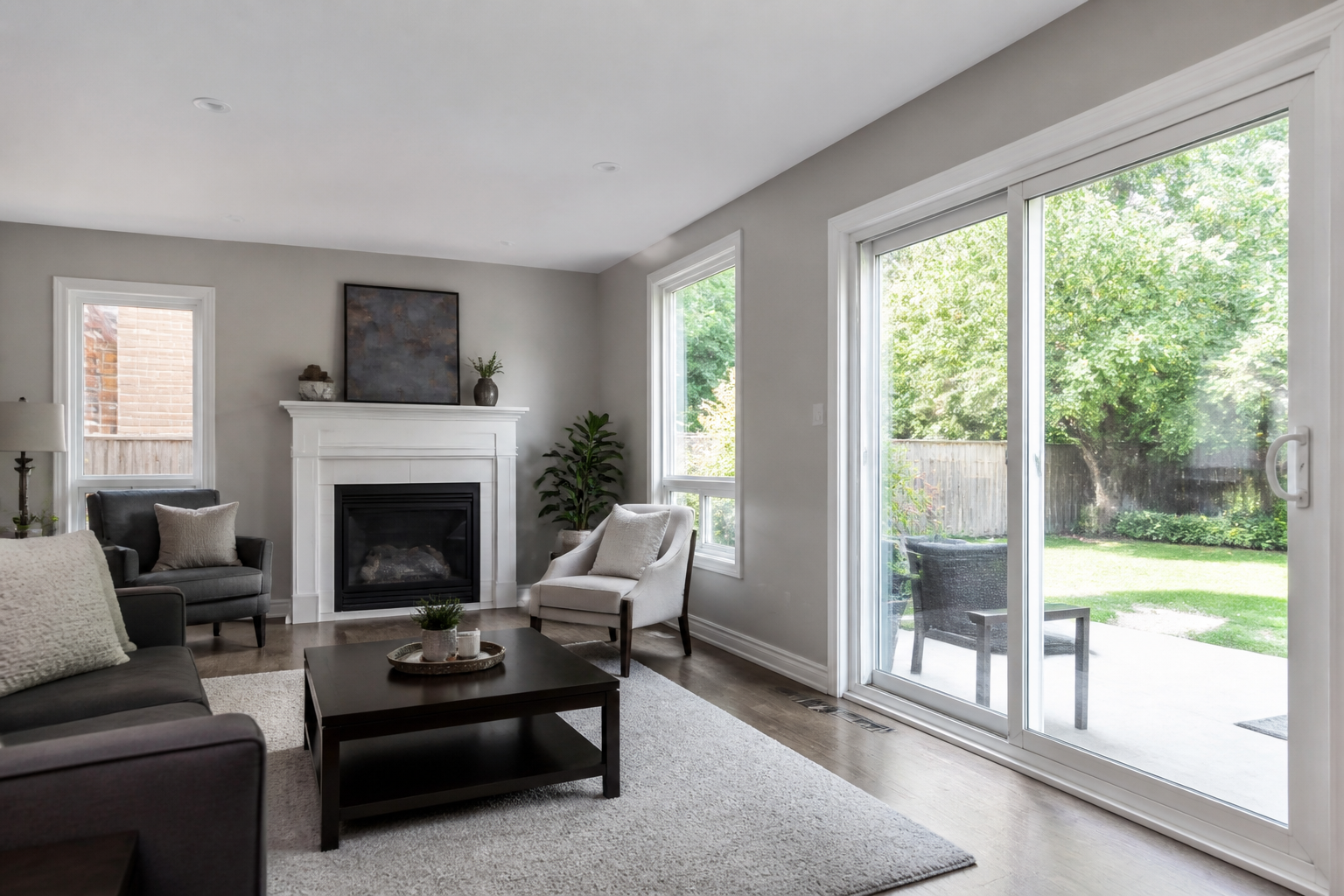
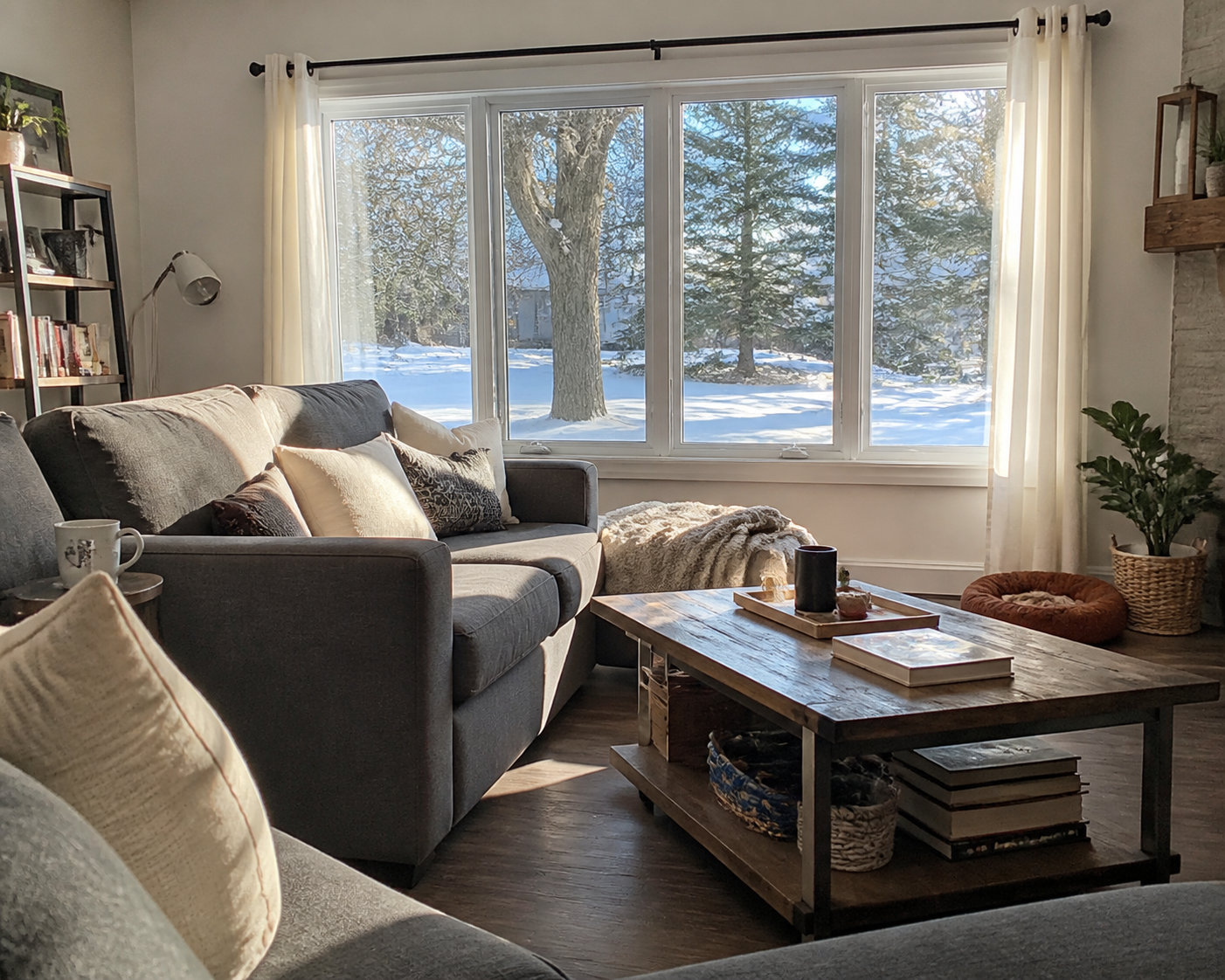
- Large living room windows with lots of winter exposure
- North-facing rooms that always feel colder
- Homes in windier, more exposed areas
- People who are sensitive to cold spots or outside noise
Tip: If your room feels cold near the window, triple pane helps most with comfort, not just the heating bill. Homeowners often focus on energy savings alone, but the bigger day-to-day win is a warmer inside glass surface in winter.
Now the catch. Triple pane costs more. How much more depends on the window style, size, and manufacturer, but it is a meaningful bump, not pocket change. It also makes the sash heavier, which matters more on some operating styles than others. On fixed units like picture windows, that extra weight is less of an issue. On moving windows, good hardware matters.
Triple pane vs double pane windows: side-by-side
| Factor | Double pane | Triple pane |
|---|---|---|
| Cost | Lower | Higher |
| Energy efficiency | Good | Better |
| Noise | Decent | Usually quieter |
| Maintenance | Low | Low |
| Lifespan | Long | Long |
| Best use | Most homes | Cold/noisy rooms |
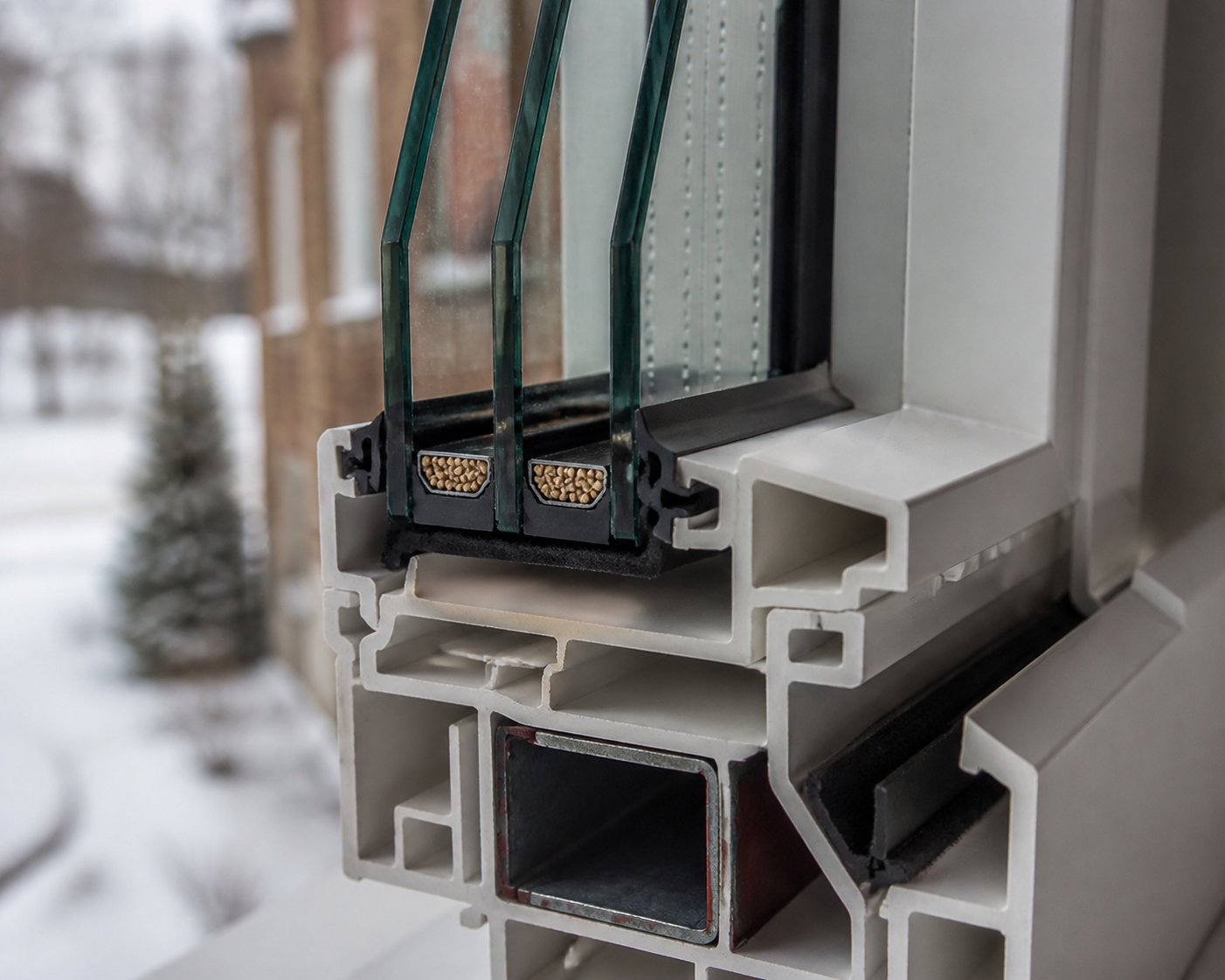
A quick note on lifespan, because people ask: triple pane doesn’t automatically last longer just because it has more glass. Longevity depends more on build quality, installation, drainage design, and whether the sealed glass unit stays healthy over time.
And installation matters a lot. I’d take a well-installed double pane window over a sloppy triple pane install every day of the week. No hesitation.
So, which should you pick?
Here’s my honest rule of thumb. If your house is fairly comfortable now, your street is reasonably quiet, and you’re replacing several windows at once, double pane is often the smart buy. You get a strong improvement without pushing the budget harder than needed.
Go triple pane where the pain is real. The cold bedroom. The front room facing traffic. The big family room window you sit beside every evening. That targeted approach often makes more sense than upgrading every single opening in the house just because triple sounds better.
If you’re already leaning toward windows that seal tightly, styles like casement windows pair especially well with upgraded glass because the sash pulls in snug against the frame. Small detail, but it helps.
Who should seriously consider triple pane across most of the house? Homes in exposed rural spots, houses with lots of oversized glass, people staying put long term, and homeowners who care a lot about comfort and quiet. If that’s you, the upgrade can be very worth it.
Who probably doesn’t need it everywhere? A typical subdivision home in decent shape, on a quiet street, where the existing issue is really old seals, poor installation, or obvious drafts around the frame. In those cases, replacing bad windows properly may solve 80 to 90 percent of what’s bugging you without going all the way to triple.
And if you’re unsure, don’t guess from a brochure. Have someone look at the actual rooms, the exposure, the size of the glass, and the street conditions. That’s the kind of conversation we have every day across Newmarket and York Region, the GTA, and up toward Simcoe County. If you want a straight answer for your place, just contact us. We’ll tell you where triple pane makes sense and where I’d save your money.
Personally? I like triple pane in the right spots, not for the sake of saying you bought "the best." Windows aren’t a trophy. They’re there so your house feels good on a miserable February morning, and so you hear less of the bus stopping outside at 6:10 a.m. That’s usually the real test.