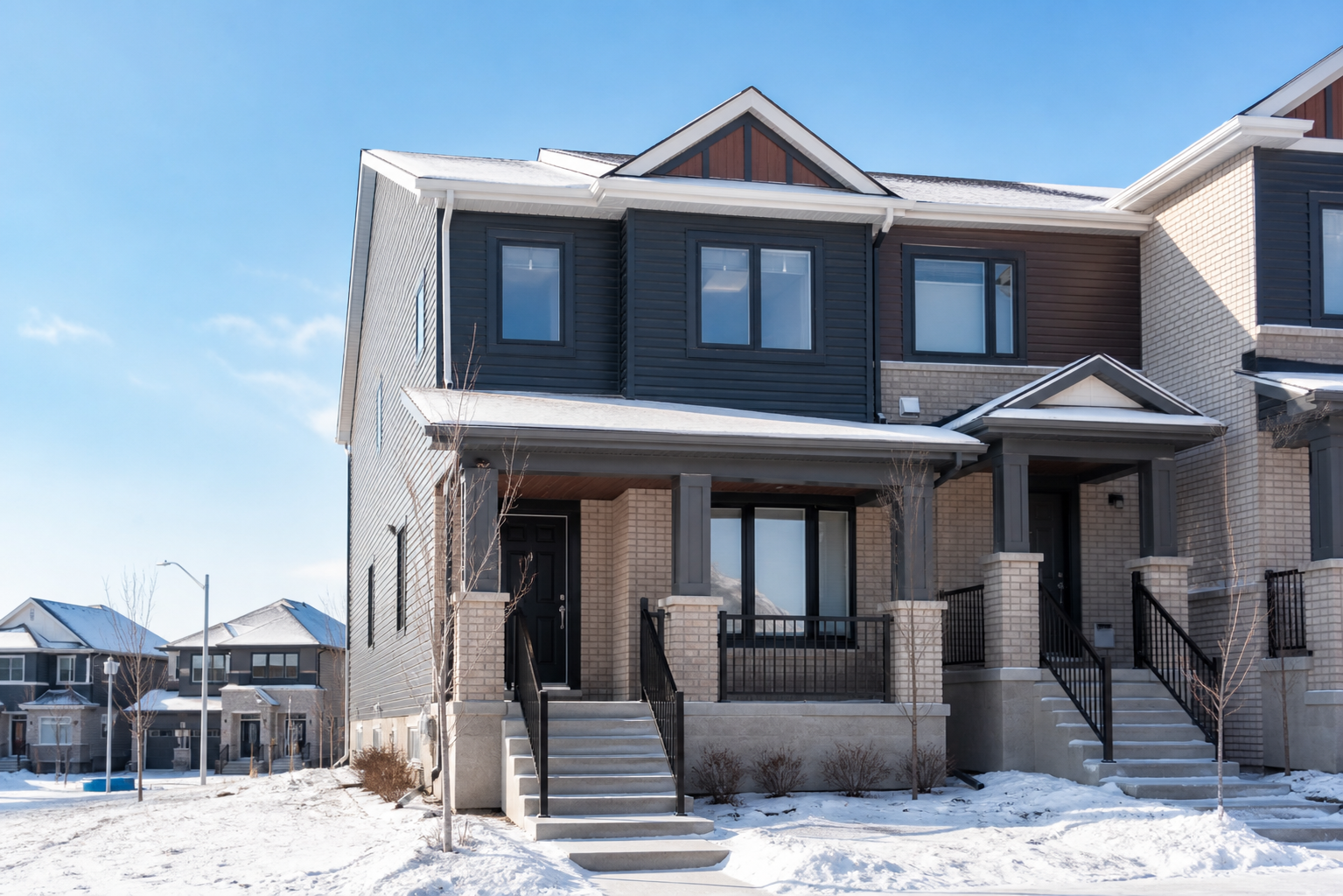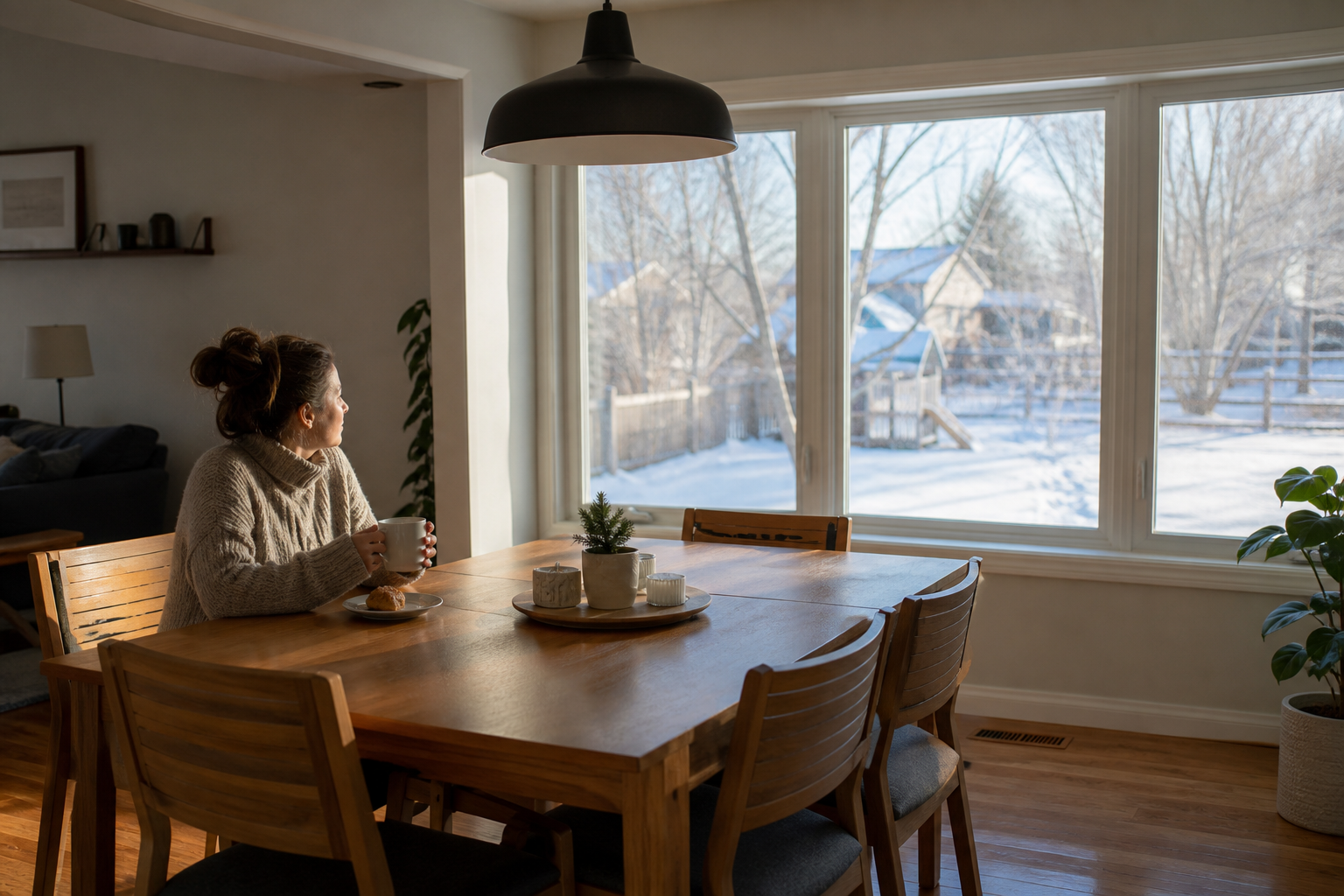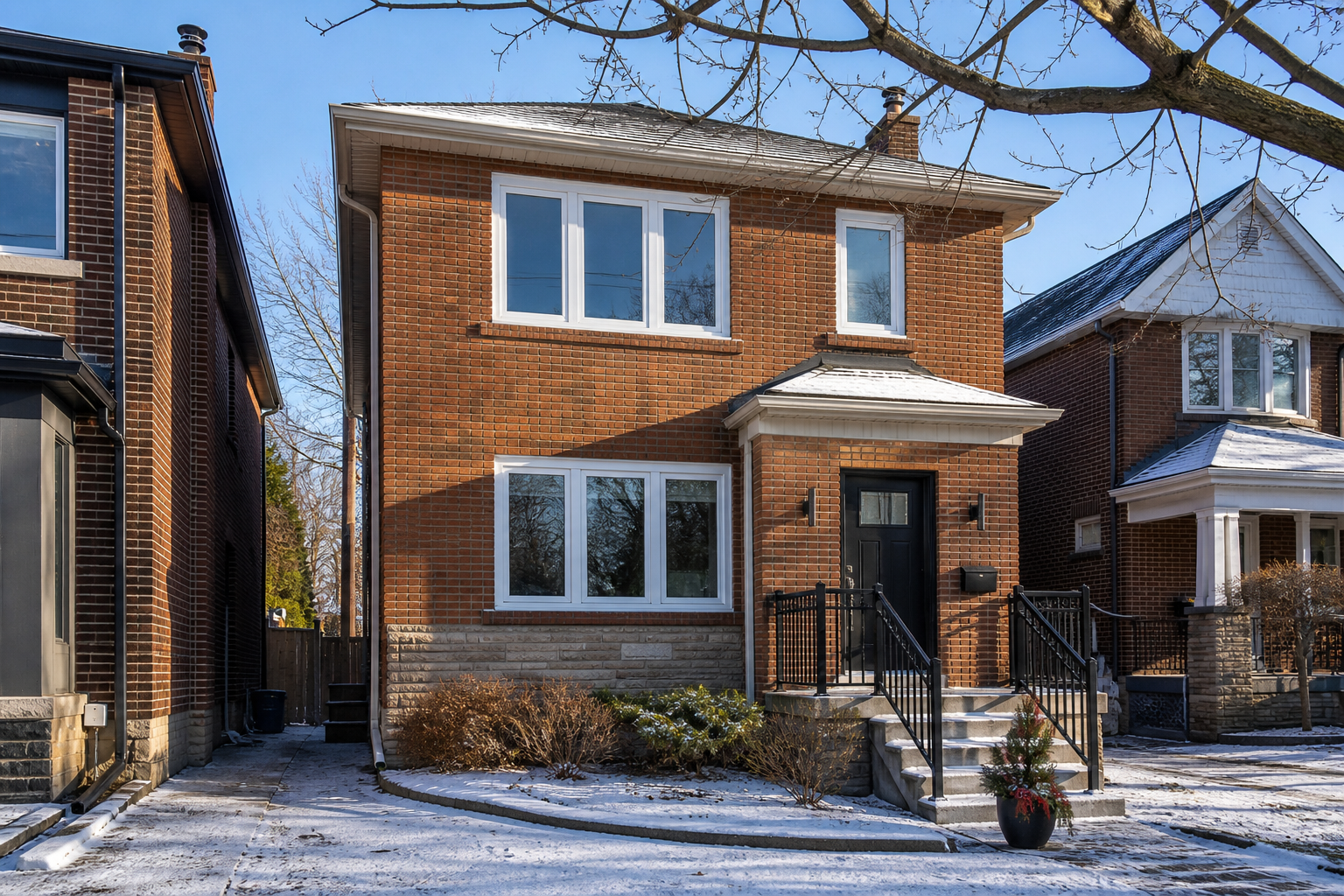

Last January, I stood in a 1990s bedroom in Aurora while the owner held a candle near the window. The flame bent sideways. You could *feel* the cold sliding in. Her first question was the one I hear all the time: can this be repaired, or am I throwing money at a window that’s done?
That’s the whole window replacement vs repair problem in one sentence. You don’t want to overspend. But you also don’t want to patch the same drafty, foggy, stubborn window every winter while your furnace works overtime and you mutter at it from under a blanket.
Why this choice matters more than people think
Here’s the simple takeaway: repair the part if the window is still fundamentally sound. Replace the whole window if the problem is built into the frame, the seal, or the age of the unit. That’s it. Most bad decisions happen when those two get mixed up.
A sticky lock, worn weatherstrip, or crank that gave up? Often repairable. A failed sealed glass unit — that cloudy space between the panes — plus air leaks, warped sash, and tired old frames? That usually points to replacement. In Ontario, our windows get hit hard. January cold snaps, summer humidity, freeze-thaw cycles, even the odd ice storm. A weak window doesn’t stay “a little annoying” for long.
Quick tip: If you have one problem on one newer window, start by seeing if it can be repaired. If you have the same problem on several older windows, stop patching and price out replacement.
Repair: the good, the bad, and when it’s worth doing
Repair wins when the window itself still has good bones. I mean the frame is square, the sash closes properly, and the glass seal hasn’t failed. In those cases, a targeted fix can buy you time without wasting money.
Good reasons to repair
- The window is under about 10-15 years old and the main issue is hardware
- It sticks because of a minor adjustment, not a warped frame
- You feel a small draft from worn weatherstripping, not from multiple gaps
- There’s cosmetic damage but the glass and frame are still sound
- You need a short-term fix before a bigger renovation
Repair is also the right move if you have one odd problem window and the rest of the house is fine. I’d rather tell you the truth than sell you ten windows because one lock is fussy. We’ve seen that a lot in newer subdivisions in Newmarket and East Gwillimbury — one sash out of adjustment, everything else okay.
But here’s the catch. Repair has limits. It won’t turn an old builder-grade window into a quiet, tight, energy-efficient one. It won’t fix fog trapped between panes if the sealed unit has failed. And if the frame has shifted over the years, every little repair becomes a bandage.
Also, for clarity, we supply and install full custom vinyl windows — we don’t do glass-only repairs. So if your issue is just broken glass and the rest of the unit is perfect, a glass shop is the better first call. If you’re beyond that stage, that’s where we come in.
Replacement: more money up front, fewer headaches later
Window replacement vs repair gets easier once you ask one honest question: is this window failing as a system? If the answer is yes, replacement usually wins even if the first bill is higher.
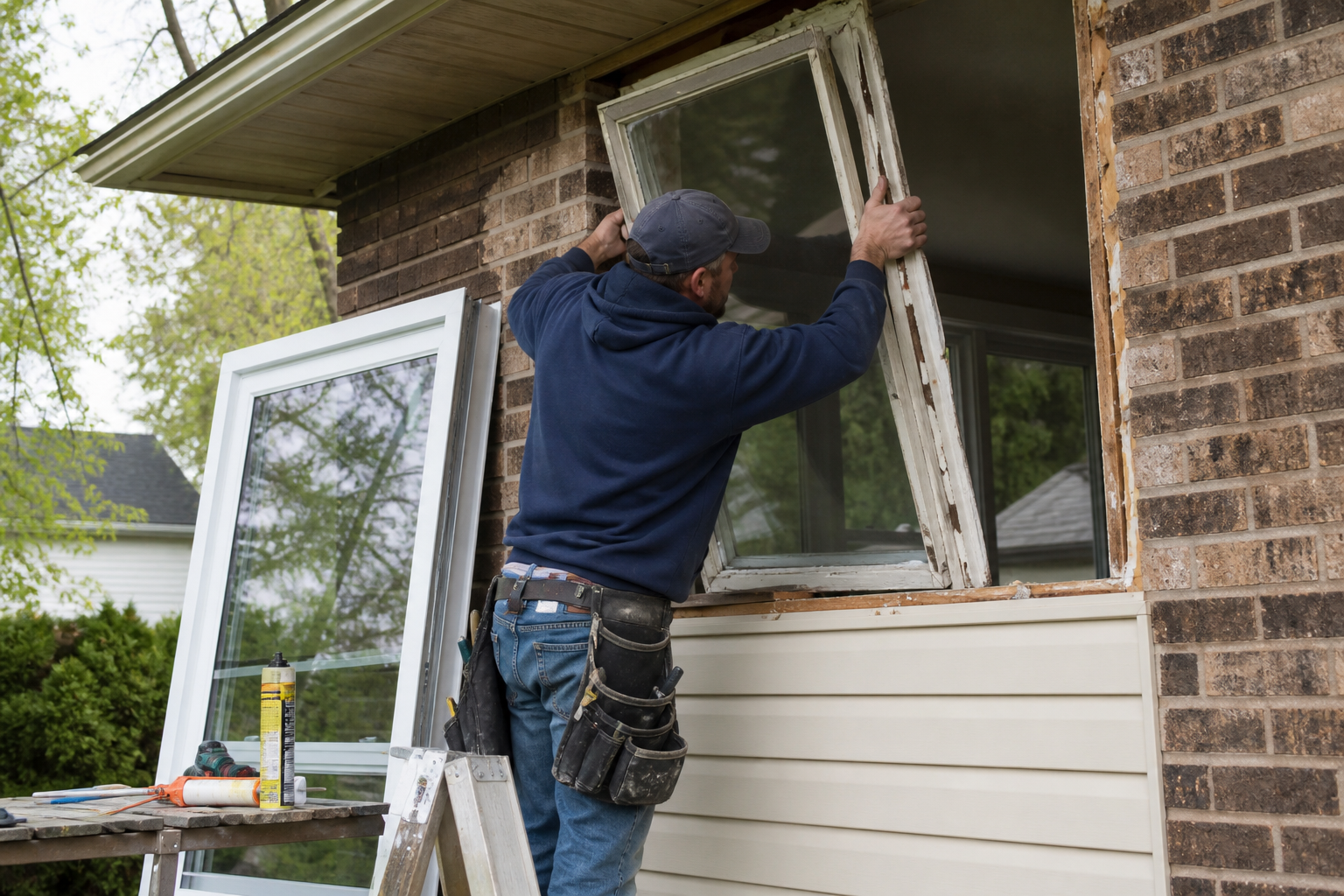
Signs replacement is the smarter move
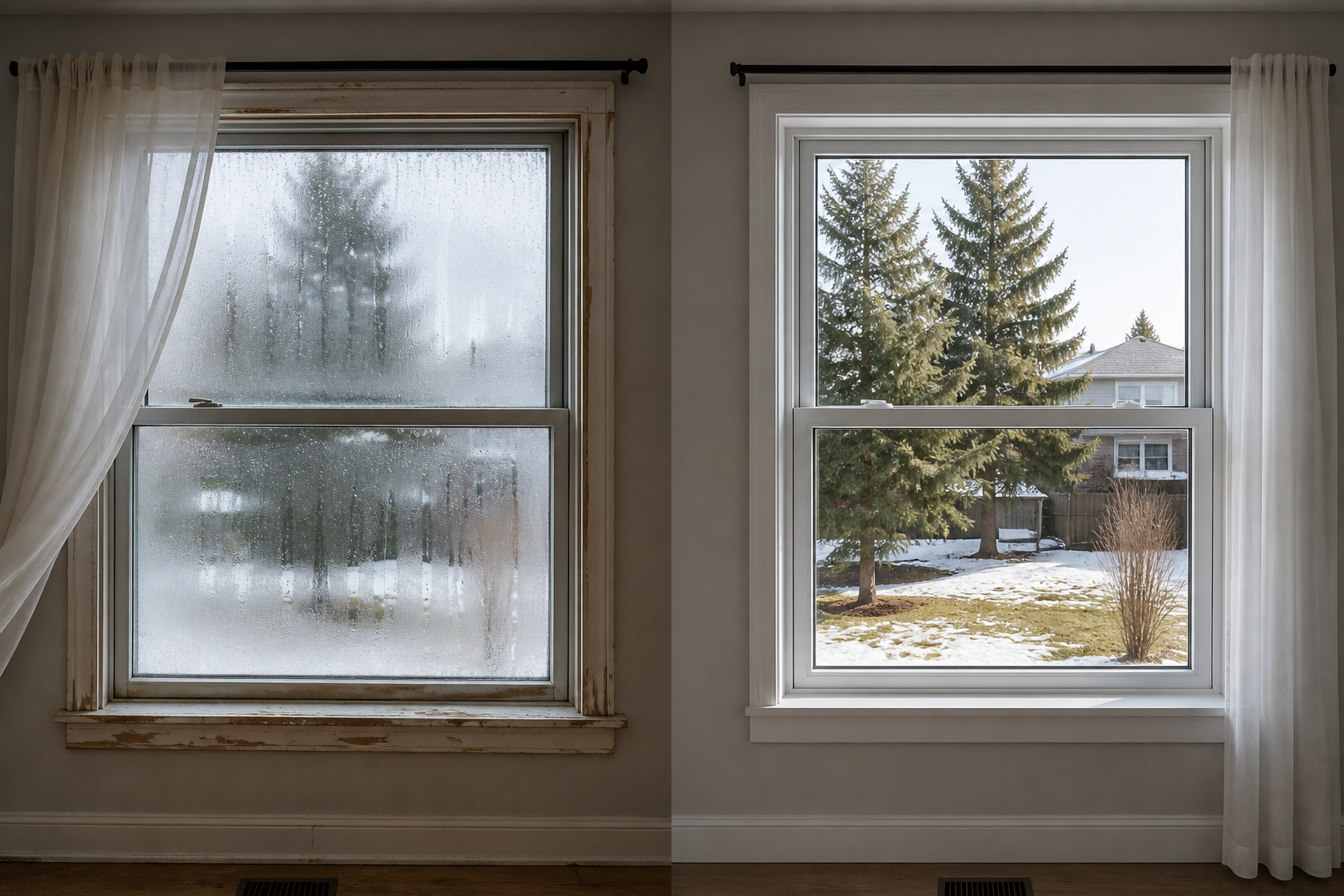
- Fog or moisture between panes keeps coming back
- You feel strong drafts even when the window is locked
- The frame or sash is warped, soft, cracked, or no longer square
- Several windows have the same issue
- Outside noise comes through far too easily
- You’re tired of painting, adjusting, and fighting with them every season
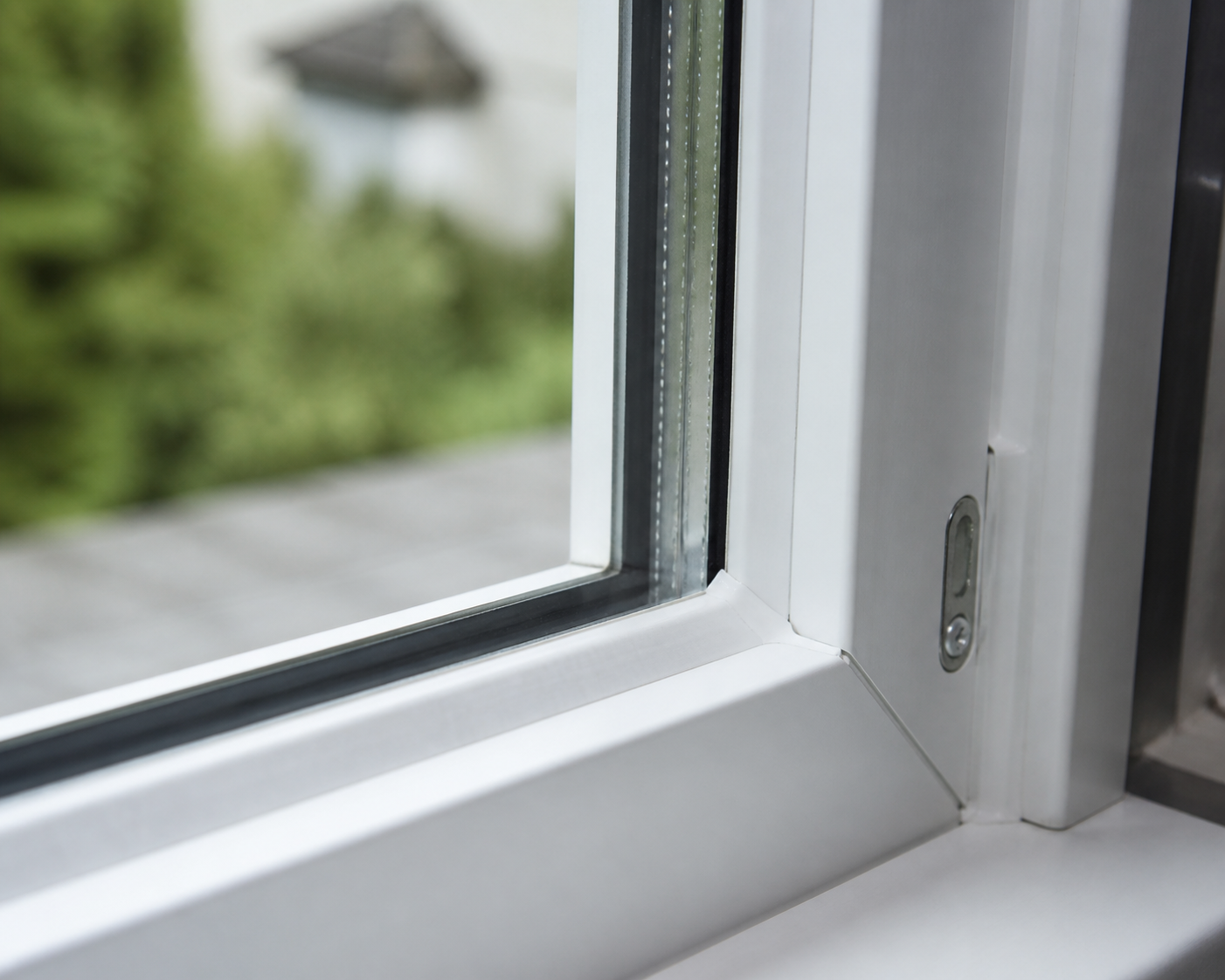
A new window fixes more than one thing at once. New frame. New sash. New seals. New hardware. Better glass package. The coating that reflects heat — Low-E glass — and the gas between the panes, usually argon fill, are standard features now on decent vinyl windows. That means less draft, steadier indoor temperatures, and less condensation on bitter mornings.
I saw this in a semi near East York a while back. The owners wanted “just a repair” on two bedroom sliders. Fair enough. But the seals were gone, the tracks were worn, and the meeting rails had enough play that wind pushed right through. By the time we walked through the full picture, they replaced them with slider windows. Their comment after the first cold week was my favourite kind: “The room feels normal now.” That’s the goal.
Replacement isn’t always the cheap option. And no, I won’t pretend every old window must go. But if your windows are 20-plus years old and showing multiple symptoms, repairs can become the expensive way to avoid making a decision.
Window replacement vs repair: a practical head-to-head
| Factor | Repair | Replacement |
|---|---|---|
| Cost | $ to $$ | $$$ to $$$$ |
| Energy efficiency | Small gain | Big gain |
| Noise | Little change | Often quieter |
| Maintenance | May continue | Lower for years |
| Lifespan | Months to few years | Long-term reset |
| Best use | One fixable issue | Old or failing unit |
So which should you pick?
Pick repair if the problem is isolated, the window is still in decent shape, and you’re buying time on purpose. That can be a smart move. No shame in it.
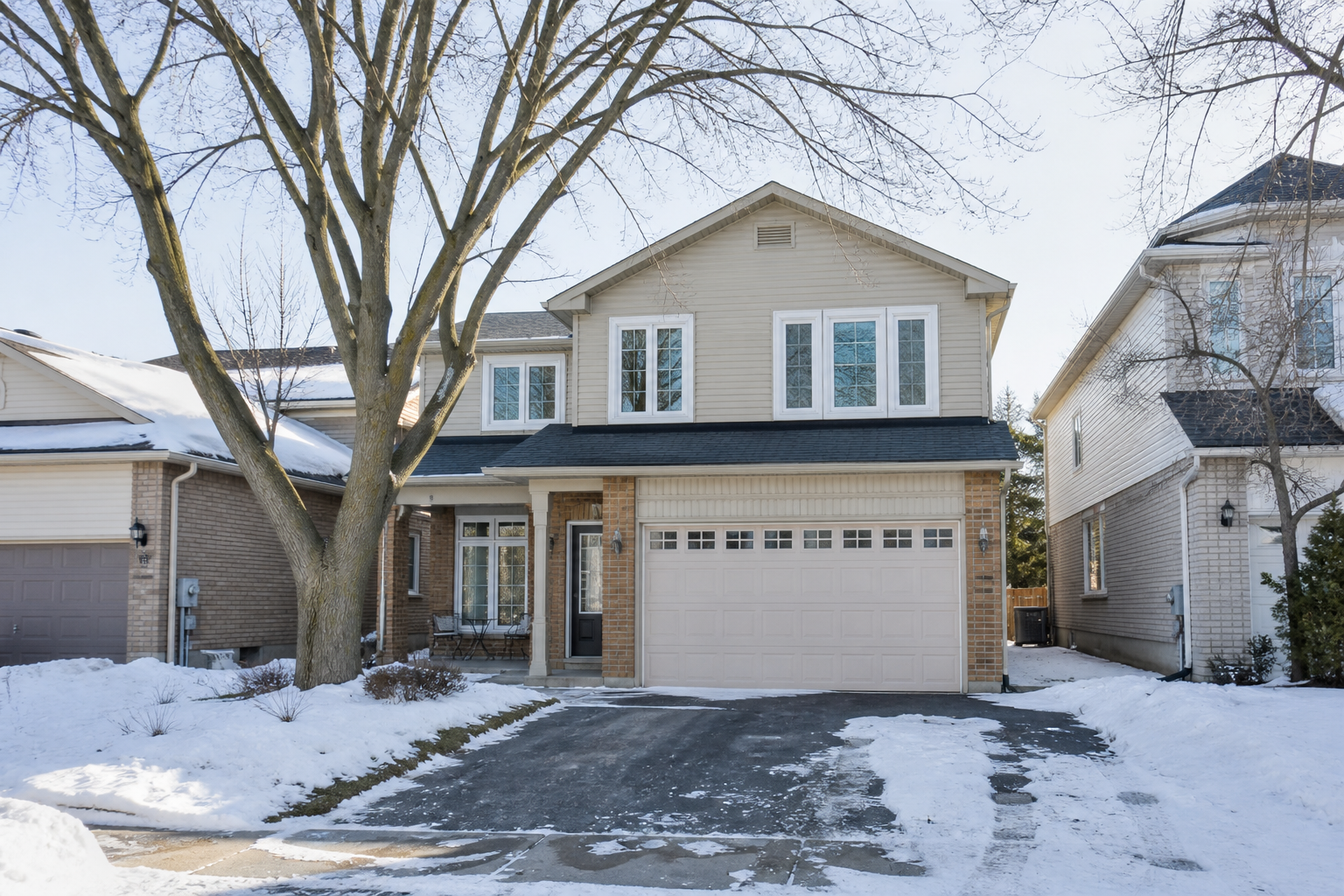
Pick replacement if the window is old, leaky, fogged up, hard to use, or failing in more than one way. Especially if the room is uncomfortable every winter or too hot in the summer sun. In places like Barrie, Keswick, or north Vaughan, where wind and cold can be no joke, that comfort difference shows up fast.
If you’re stuck, use this simple test. Count symptoms, not just dollars. One symptom? Lean repair. Three or more? Lean replacement. Fogging, drafts, sticking, rot, bad noise, condensation, hard locks — it adds up.
And think about the type of window too. A crank-open unit like a casement window can seal tighter than an older slider if energy performance is your main gripe. That doesn’t mean one style is magic. It means the right replacement can solve the exact thing that bugs you now.
If your house sits somewhere across Toronto, York Region, or Barrie and you want a straight answer, get someone to look at the actual window, not just toss a number over the phone. Age, exposure, installation quality from the last job, even which side of the house takes the wind — those details matter.
That’s usually how we handle it. We look at what’s failing, what isn’t, and whether a repair would be honest or just temporary theatre. If you want us to take a look, you can reach out here. No speech, no pressure. Just a proper opinion so you can stop arguing with the window every time the temperature drops.