I’ve lost count of how many times someone has told me, “It’s probably a standard size, right?” Usually while standing in a chilly front bedroom in January, with a tape measure in one hand and a coffee going cold on the windowsill.
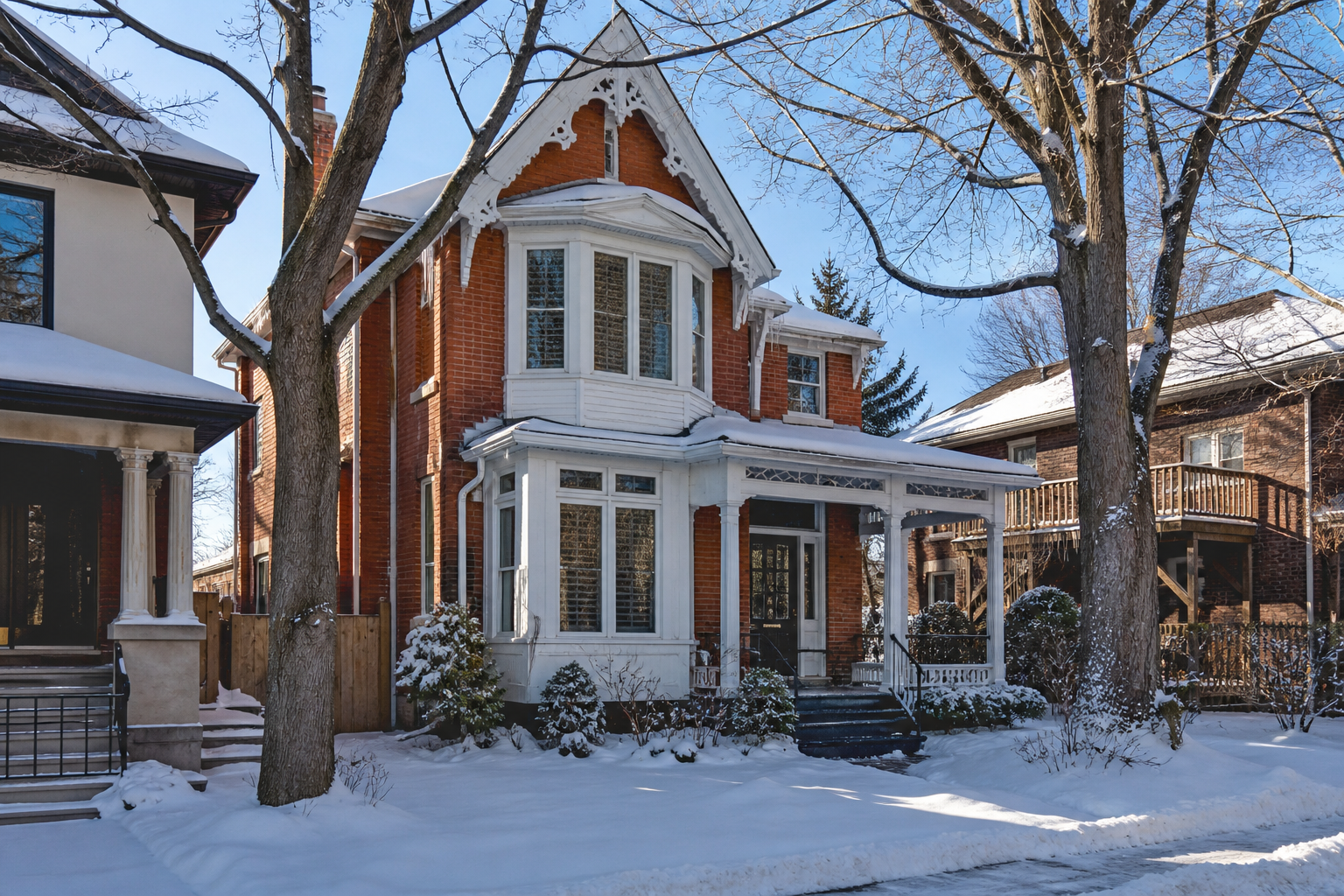
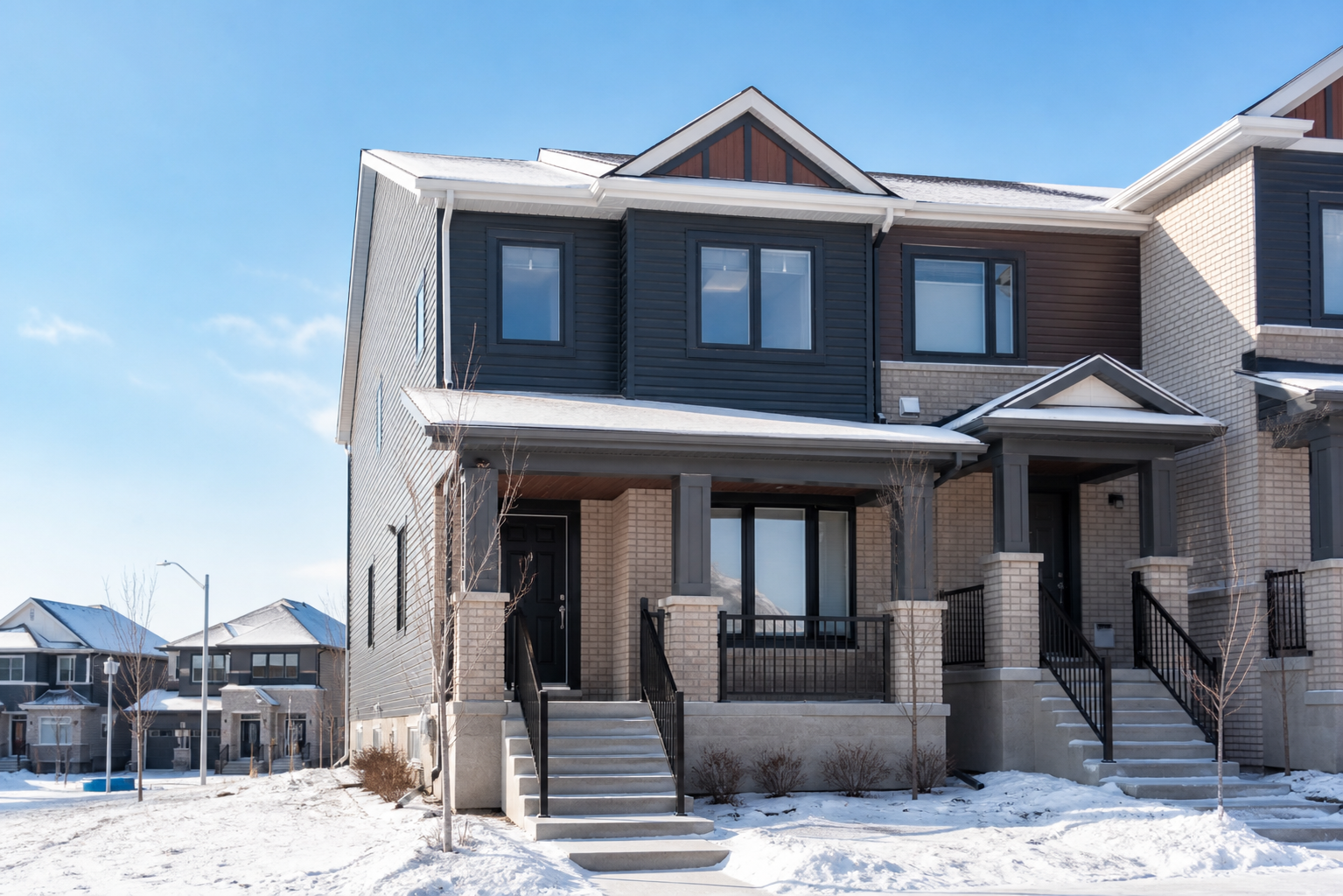
Here’s the thing: in Canada, there are common window sizes, but “standard window sizes canada” is not the same as “every house has standard windows.” Not even close. A 1980s subdivision home in Newmarket, a brick semi in East York, and a bungalow near Barrie can all look similar from the street and still have different openings once you pull the trim back.
Why “standard size” confuses people
People often ask us, “Can’t you just order the standard size from a chart?” I get why they ask. Doors are often close to standard. Kitchen cabinets too. Windows? Less tidy.
In real houses, size depends on the original builder, the year the home was built, how the wall was framed, what style of window is there now, and whether somebody changed things before you bought the place. We see this all the time across Toronto and the GTA. Two houses on the same street can be off by half an inch, an inch, sometimes more.
So yes, there are common sizes. Manufacturers build around popular width and height ranges. That helps with planning and lead times. But replacement windows are usually made to fit your opening, not a warehouse shelf. That’s the useful truth.
The one measurement that matters most: the rough opening
If you remember one thing from this article, make it this: the opening in the wall matters more than the old window itself.
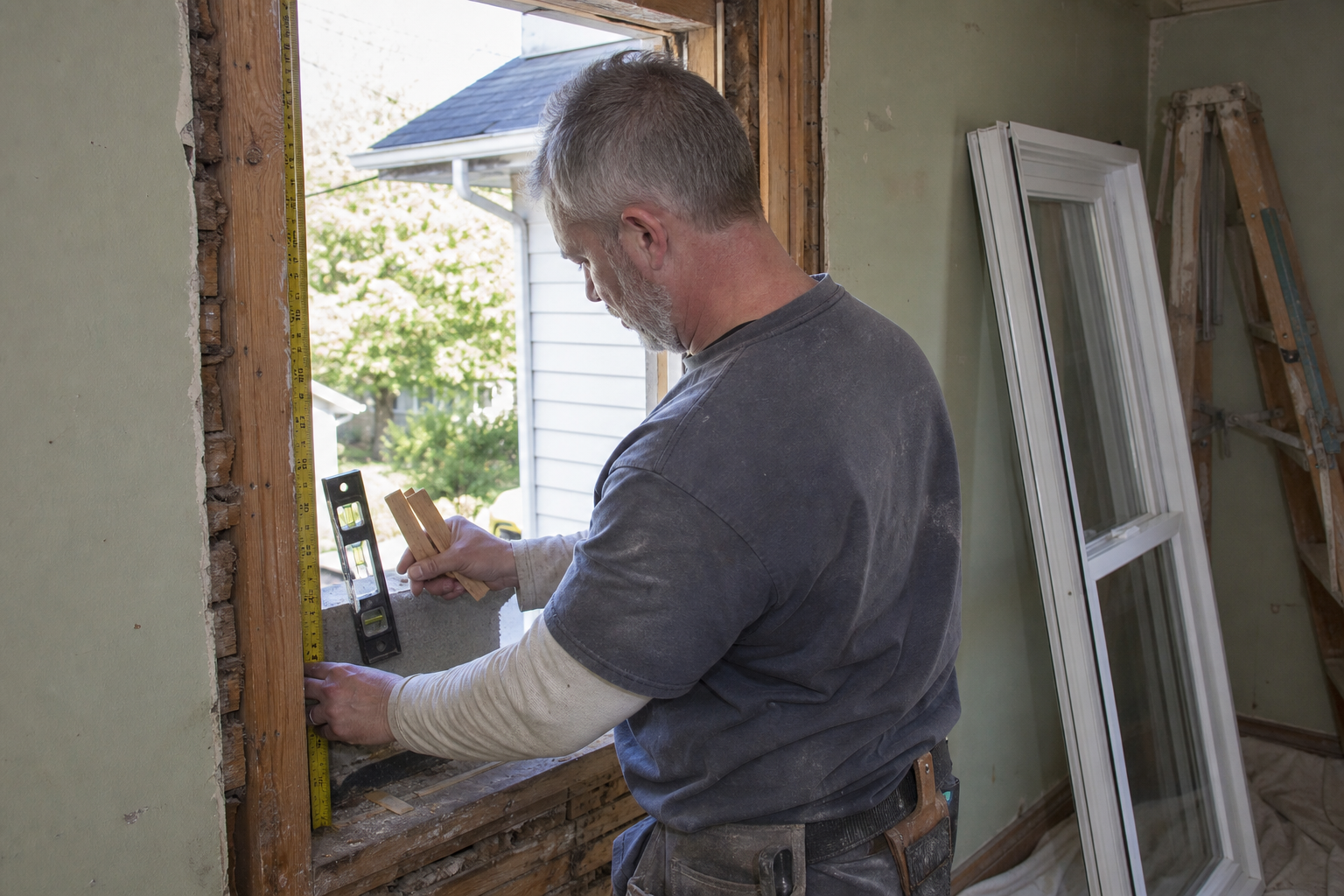
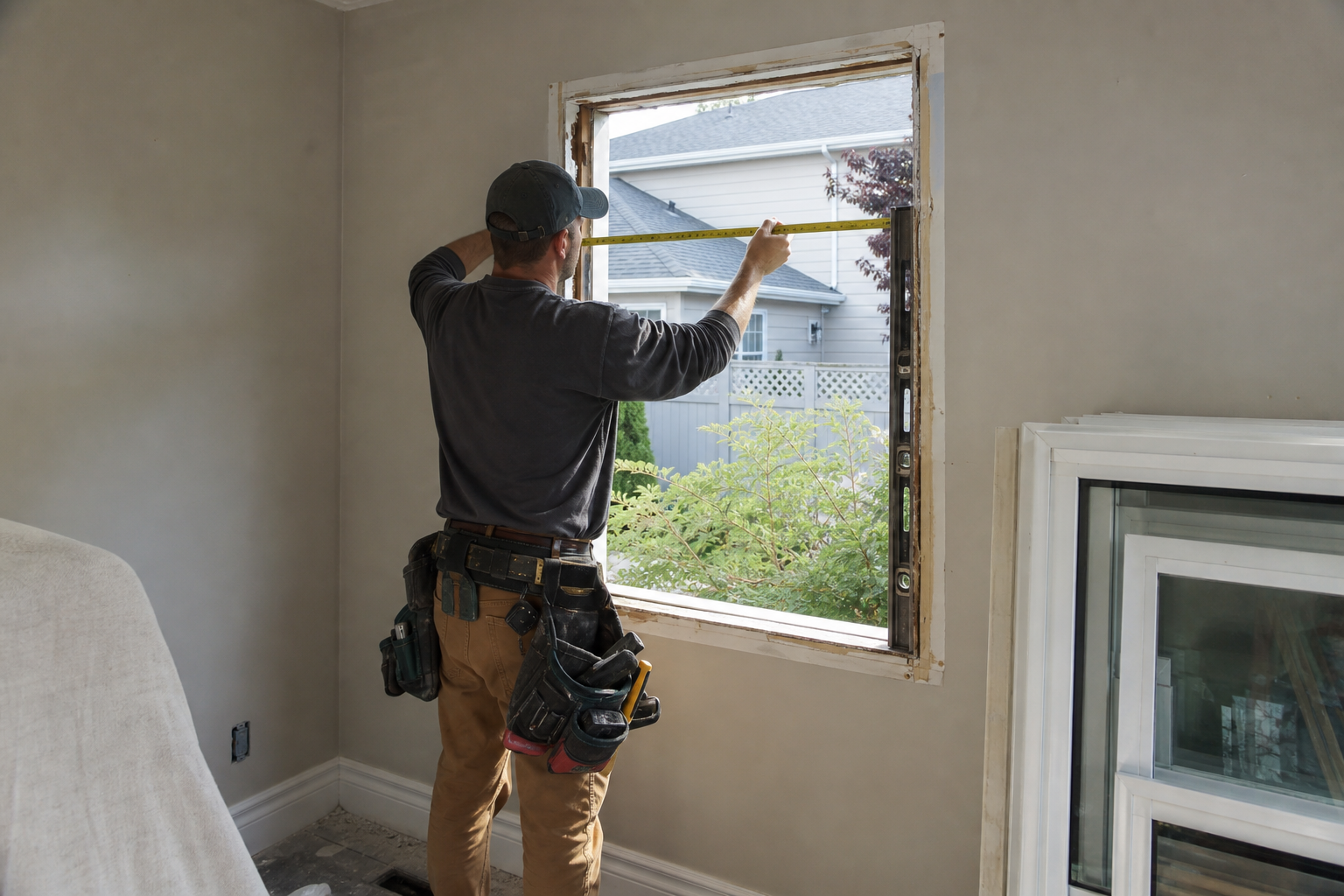
That framed hole in the wall is called the rough opening. Plain English? It’s the space the window has to fit into once you account for the frame, shims, insulation, and room to level everything. If the opening is out of square — and older Ontario homes often are — the old window size can fool you.
A couple of winters ago we were in Leaside replacing a pair of bedroom sliders. The owner had measured the visible frame and found an online “standard” size that looked close. Good effort, but once we removed the interior stops, the rough opening told a different story. One side had settled just enough that a stock size would have left ugly gaps and too much filler. Nobody wants to pay for new windows and then stare at chunky trim to hide a measuring mistake.
Useful tip: if you’re measuring for planning, take width in three spots and height in three spots. Top, middle, bottom. Left, centre, right. The smallest numbers are the ones that keep you out of trouble.
Common window sizes in Canada by style
Now for the part you came for. These are common ranges we see for replacement windows in Ontario. Not rules. More like the sizes that show up again and again.
- Slider windows: often about 36 to 72 inches wide and 24 to 48 inches high. Common in bedrooms and basements, especially in 1970s to 1990s homes.
- Casement windows: often about 14 to 36 inches wide per vent and 24 to 72 inches high. These are the crank-open type. Great for airflow, but wide single casements can get awkward fast.
- Awning windows: often about 24 to 48 inches wide and 16 to 36 inches high. These hinge at the top and work well in basements or bathrooms. You can see more on [awning windows](/windows/awning-windows) if that style is on your shortlist.
- Single or double hung windows: often about 24 to 48 inches wide and 36 to 72 inches high. More common in older or more traditional-looking homes.
- Picture windows: often about 36 to 96 inches wide and 24 to 72 inches high. Fixed glass, no opening, lots of light.
- Bay and bow windows: these are built as combinations, so the overall size varies a lot more. They’re usually not something I’d ever call standard.
You’ll notice those are ranges, not exact numbers. That’s on purpose. In the field, standard window sizes in Canada are better thought of as “common starting points” than exact fixed dimensions.
Common window sizes by room
Room matters because the job of the window changes. A kitchen window over the sink is one thing. A basement bedroom is another.
Bedrooms
Main-floor and second-floor bedrooms often have sliders, casements, or hung windows in the mid-size range — roughly 36 to 60 inches wide and 36 to 60 inches high. But there’s a catch: if it’s a basement bedroom, escape rules matter. The opening size has to meet egress requirements, which is a whole separate issue from “standard.”
Living rooms
This is where bigger glass usually shows up. Picture windows, large sliders, or combinations with fixed centre glass and opening side units are common. In suburban homes from Vaughan to Aurora, we often see widths from 72 inches upward in living rooms facing the backyard.
Kitchens
Kitchen windows are often shorter because of cabinets and counters. Over-the-sink units might be around 36 to 48 inches wide and 18 to 36 inches high. Casement windows are handy there because you can crank them open without leaning over the sink like you’re auditioning for a circus act.
Bathrooms
Smaller and taller is common. Awning or small casement units are popular because they vent well and keep privacy easier. Frosted glass helps, but size is often tight because bathrooms fight for wall space with mirrors, showers, and plumbing.
Basements
Basement windows are usually shorter, often set high in the wall. Sliders and awnings are common. But if the basement is being turned into living space, “common size” can stop mattering fast. The code side of it can force a larger opening.
Why replacement windows are often smaller than you expect
This surprises people. The new replacement unit often measures a bit smaller than the old frame opening. That’s not a mistake.
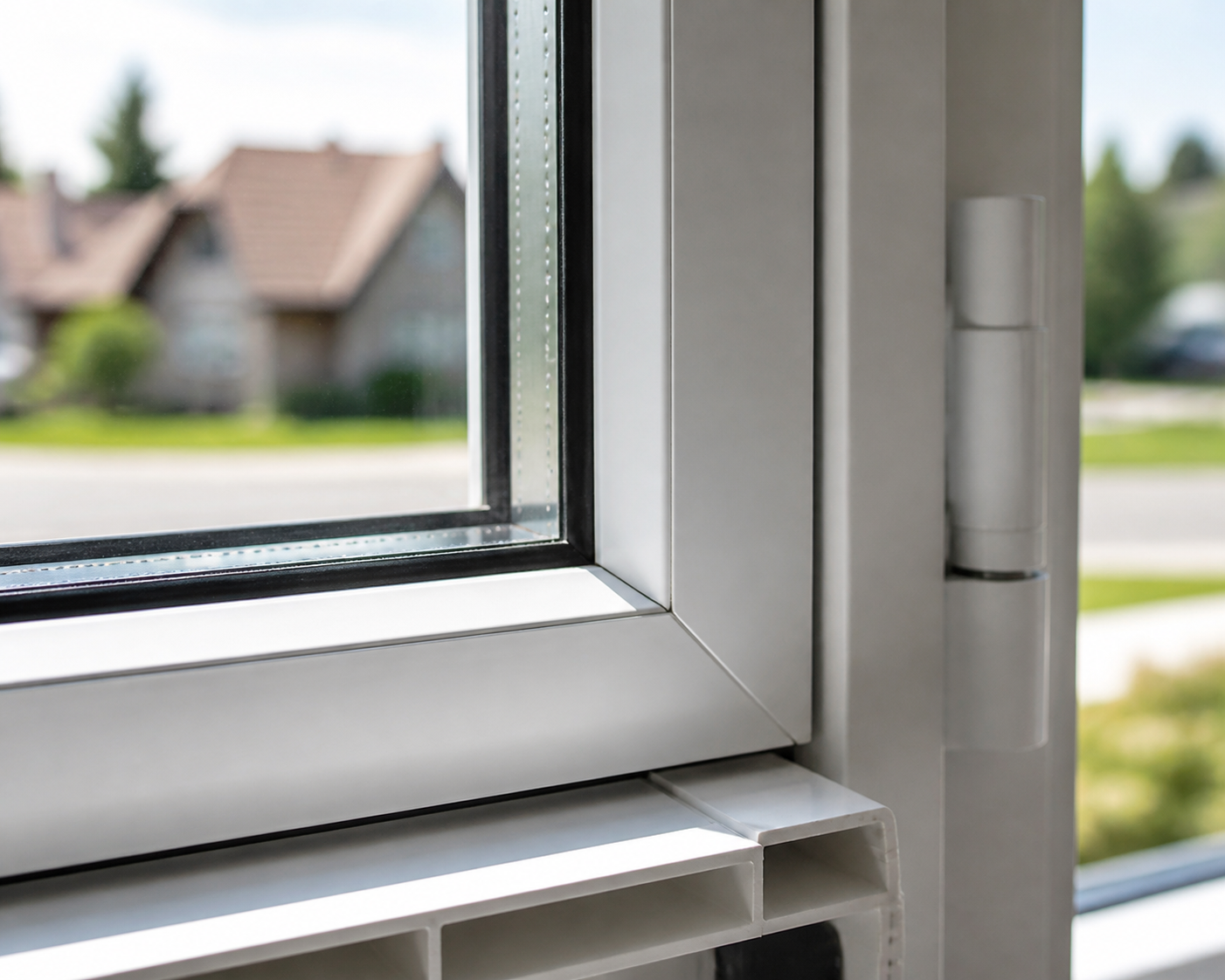
Installers need room to set the frame, level it, square it, shim it, and insulate around it. Those thin support pieces are called shims. The insulation around the perimeter is usually low-expansion foam, which fills gaps without bowing the frame. If a window is ordered too tight, installation gets ugly in a hurry.
And here’s the Ontario reality: walls move. Brick settles. Wood framing dries out. Freeze-thaw cycles are not gentle. So the perfect paper size is not always the perfect real-world size.
When you need custom sizing
Custom sizing sounds fancy, but most of the time it just means “made to fit your opening properly.” It does not automatically mean some wild arched showpiece.
- Older homes where openings aren’t square
- Brick-to-brick replacements where trim room is tight
- Homes with previous renovations or patched framing
- Large picture windows and mixed window combinations
- Basement upgrades where the opening has changed
- Special shapes, of course, like half-rounds or angled tops
I’d add one more: houses where you care about the finished look. In custom homes in King City, that’s obvious. But even in a modest ranch bungalow in Keswick, a made-to-fit unit can give you slimmer trim, more balanced sightlines, and less filler. It just looks right.
If you do have an unusual shape, that’s its own category. We’ve written more about custom shaped windows, but for everyday rectangular windows, custom usually just means precise.
Is a standard size cheaper?
Sometimes a common size helps with production efficiency. That can help lead times, and sometimes price too. But don’t assume a “standard” window will save you money if the fit is wrong.
A bad fit can mean extra trim work, more caulking, more foam, less glass area, or a clunky-looking result. You can save a little on paper and lose it in the finish. I’d rather see you spend wisely once than pay for a compromise you notice every day while making toast.
That’s why we don’t push stock thinking on replacement jobs. We supply and install windows that fit the house. We don’t do glass-only repairs, and honestly, a full window fit issue won’t be fixed by swapping glass anyway.
How to measure a window size without getting burned
If you’re trying to budget, compare quotes, or just satisfy your own curiosity, here’s the simple version.
- Measure width in three places: top, middle, bottom.
- Measure height in three places: left, centre, right.
- Check inside trim to inside trim for a rough planning number.
- Look for signs the opening is out of square: uneven gaps, hard-to-lock sash, or trim that tapers.
- Don’t order from an online chart based on one quick measurement.
If your window sticks, the lock doesn’t line up, or there’s a draft only on one side, that’s often a clue the opening has shifted a bit. It’s small stuff, but it matters.
The takeaway on standard window sizes in Canada
Here’s my honest answer after years of doing this: standard window sizes in Canada are useful for expectations, not for ordering.
Use common sizes to understand what’s normal for a slider, casement, or picture window in your room. Use them to spot if a quote seems wildly off. But the moment you’re replacing real windows in a real Ontario house — one that’s seen humid summers, dry furnace winters, and a few decades of settling — the rough opening becomes the boss.
If you want a straight answer on what fits your place, send us a few photos through our contact page. We can usually tell pretty quickly if you’re looking at a common size, a custom fit, or one of those old-house surprises that keeps this job interesting. And yes, there are plenty of those.