A couple in East York once asked me the question I hear all the time: “Can’t we just get the best glass and be done with it?” Short answer: no. The expensive part most people get wrong is assuming one glass type should do every job in the house.
Here’s the thing. The right choice depends on what that window is fighting. Summer glare in a west-facing living room. A bathroom that needs privacy. Kids playing hockey six feet from the side window. A brutal January cold snap in Barrie. Different problem, different glass.
So this guide to the main types of window glass is built around one idea: match the glass to the room, not the sales pitch. Do that, and you’ll spend smarter and live with the result longer.
Start with the job the glass has to do
People often shop glass by buzzword. Low-E. Triple pane. Tempered. Sounds impressive. But glass choices only make sense once you ask a simpler question: what problem are you trying to solve?
If your bedroom feels cold near the window in January, you’re dealing with heat loss. If your front stair window faces the street, maybe you want privacy. If your patio door area gets blasted by afternoon sun, glare and overheating may matter more than anything else. And if the window is close to a door, tub, or floor, safety rules may decide for you.
That’s why glass should be picked after the window style and room use are clear, not before. A big fixed picture window has different needs than a crank-open casement in a bathroom. Same house, different answer.
Low-E glass: the default for most Ontario homes
If I had to choose one upgrade that belongs in almost every new window we install, it’s Low-E glass. That’s the glass with a thin coating that reflects heat where you want it. In winter, it helps keep your indoor heat from escaping. In summer, it helps cut some of the sun’s heat coming in. The industry term is low emissivity, or Low-E.
You usually won’t look at it and think, wow, fancy coating. It’s subtle. But you feel it. Rooms stay more even. Furniture gets less punishment from the sun. Your furnace and AC don’t have to work as hard.
And no, Low-E does not mean your house turns into a cave. Some coatings are lighter, some are stronger. This is where good advice matters, because a sunny south-facing room in Newmarket may want a different balance than a shaded north side in old Toronto.
Useful tip: if you’re replacing windows in Ontario and the quote doesn’t clearly say what kind of Low-E coating is included, ask. “Energy efficient glass” is too vague to be useful.
My slightly contrarian take? Low-E is not an exciting upgrade. It’s the boring one you should quietly insist on. I’d skip a lot of flashy add-ons before I’d skip this.
Triple-pane IGUs: where the extra layer earns its keep
Triple-pane glass gets talked about like it’s the answer to everything. It isn’t. But in the right spots, it’s excellent.
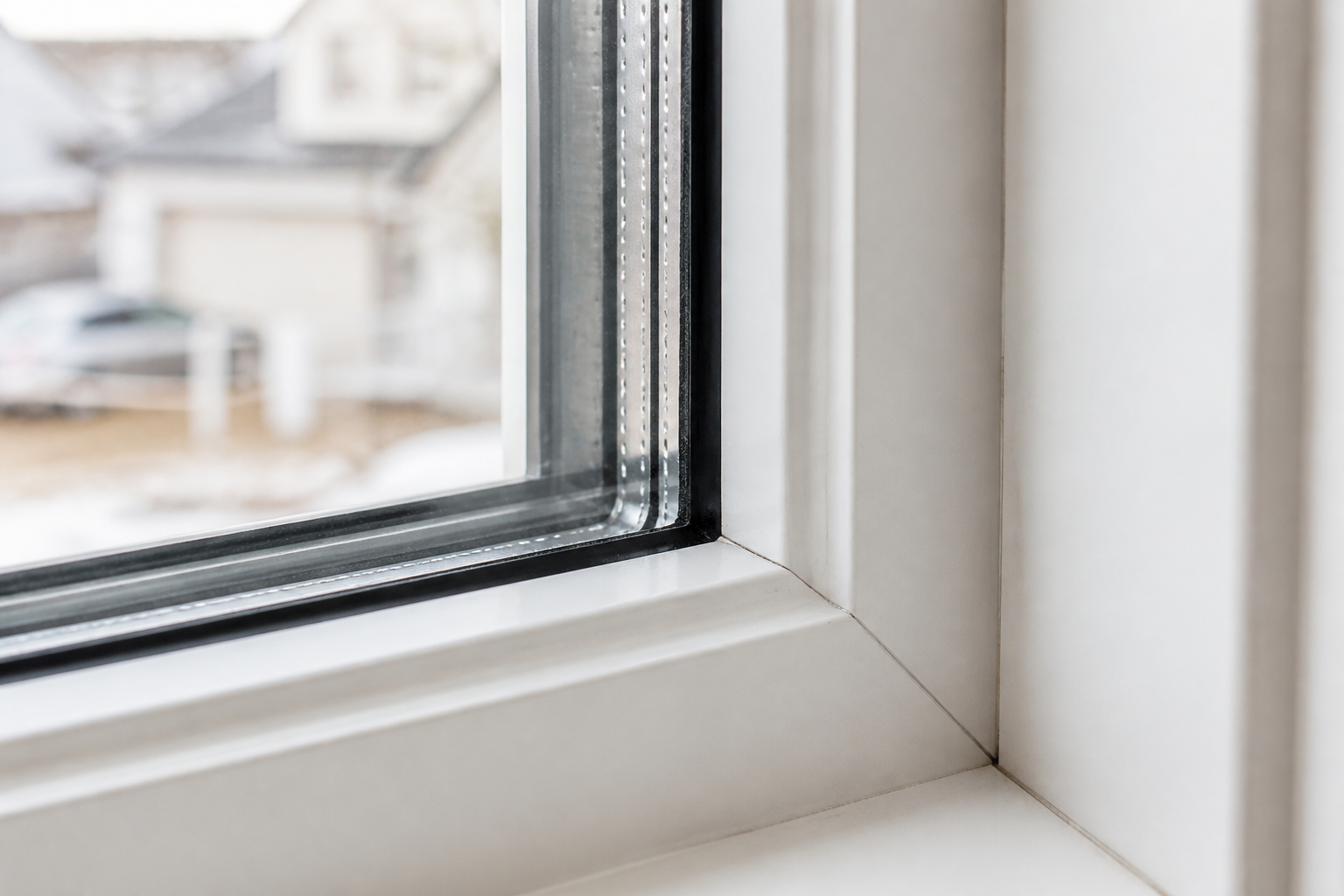
A triple-pane unit is a sealed glass package with three panes and two airspaces between them. Usually those spaces are filled with insulating gas. The proper term is an insulated glass unit, or IGU. Compared with double pane, triple pane can reduce heat loss and often makes a room feel less drafty because the inside glass surface stays warmer.
That matters in Ontario more than people think. During those minus-15 January mornings, the complaint I hear isn’t always “my bill is too high.” It’s “why does it feel cold sitting by this window?” Triple pane can help with that comfort issue.
Best places for it? Large north-facing openings. Exposed rooms over garages. Windy rural homes up toward Simcoe County. Big living room windows where you sit close to the glass.
Where I’m less pushy about it: small windows in hallways, laundry rooms, or spots where you’ll never notice the difference. Triple pane adds weight and cost. Sometimes that money is better spent on upgrading the worst windows in the house first, or making sure the installation is done right. A perfect window installed badly is still a problem.
If you want a deeper breakdown, we’ve got a full piece on triple pane vs double pane windows — and yes, that sounds like an odd link, but the bigger point is this: don’t buy the third pane just for bragging rights.
Tempered glass: for safety, not for heat
Tempered glass is the safety glass that breaks into small, less dangerous pieces instead of sharp shards. It’s heat-treated to do that. That’s its job.

And this is where people mix things up. Tempered glass is not an energy upgrade by itself. It doesn’t magically make the window warmer. It’s chosen because the location makes breakage more risky.
In many homes, building code requires safety glass near doors, close to the floor, in some stair areas, and around tubs or showers. You don’t always get to vote on that one.
We had a job near Leslieville where a main floor side window sat beside a narrow walkway and a back door. The owners wanted to skip tempered to save money. Fair question. But one slipped recycling bin, one hockey stick, one winter boot landing wrong on black ice — you get the picture. We tempered that unit.
- Use tempered glass where safety rules require it
- Use it near impact-prone areas like doors and walkways
- Don’t choose it expecting lower heating bills
Laminated glass: for noise, security, and the odd flying object
Laminated glass is two pieces of glass bonded to a clear inner layer, so if it cracks, the broken pieces tend to stick together. Think car windshield logic. Different product, same basic idea.
This is one of the most misunderstood types of window glass, because people assume it’s only for fancy custom homes. Not true. In the right place, it solves plain old everyday problems.
Its big strengths are sound control and forced-entry resistance. If you live on a busier street in Toronto, near a school drop-off loop, or backing onto a road in York Region where pickup trucks seem allergic to mufflers, laminated glass can noticeably cut the sharpness of outside noise. It can also make smash-and-grab entry harder, because the glass holds together instead of falling apart right away.
But it costs more, and not every room needs it. I like it most for front windows close to the street, bedrooms facing traffic, or homes where security is a top concern. For a quiet backyard kitchen window? Probably not worth the premium.
Tinted glass: good for glare, sometimes overused
Tinted glass can help reduce glare and cut some solar heat gain, especially on strong west-facing exposures. If your family room turns into a bright frying pan by 4 p.m. in July, tint may help.
But I’ll say it plainly: tinted glass gets overprescribed. A lot of the time, a well-chosen Low-E package does the job without making the room look darker all year.
That trade-off matters in Ontario because our winters are long. You may love the idea of less summer glare, then spend five months wishing you had more daylight in November. So use tint where sun is a real problem, not just because it sounds sleek.
Best use: rooms with strong direct sun, especially west or southwest facing, where comfort is more important than the brightest possible view.
Obscure glass: privacy without a dark room
Obscure glass is the one with a frosted, etched, or patterned look that lets light in while blurring the view. If your bathroom window faces the neighbour’s side wall from three feet away — classic older GTA lot line issue — this is your friend.
I like obscure glass in bathrooms, front entry sidelights, mudrooms, and sometimes basement windows close to a walkway. You get privacy without hanging blinds that stay closed forever.
One small note: there are different privacy levels. Some obscure glass lightly blurs shapes. Some hides almost everything. Don’t assume “privacy glass” means the same thing from one product line to the next. Ask to see samples if you can.
And if the window opens for airflow, great. This is one reason I like awning windows in bathrooms — privacy, fresh air, and rain resistance in one neat package.
How these glass types combine in real life
Here’s the part many quotes gloss over: these features can stack. A window can be tempered and Low-E. Or laminated and triple pane. Or obscure and tempered in a bathroom. You’re not always picking one thing.
That’s why comparing quotes can get messy fast. One company says “upgraded glass.” Another says “safety glass included.” Another lists a code you need a decoder ring for. (Window paperwork has a special talent for making normal people tired.)
So strip it down and ask these questions:
- Is this glass chosen for comfort, privacy, safety, noise, or glare?
- Is the coating for energy performance included, and what kind?
- Is safety glass required by code in this location?
- Am I paying for triple pane where I’ll feel the benefit, or everywhere just because?
- Will the room end up darker than I want?
My simple room-by-room shortcut
If you want the short version, here’s how I think through types of window glass on most jobs across the GTA, York Region, and up to Barrie.
- Most main living spaces: Low-E as the baseline
- Cold or exposed rooms: consider triple-pane IGUs
- Bathrooms and some entry areas: obscure glass, often with tempered safety glass
- Near doors, stairs, tubs, and low glass areas: tempered where required
- Noisy streets or security concerns: laminated glass in targeted spots
- Harsh afternoon sun: tinted glass only where glare is a real issue
That targeted approach usually works better than choosing one package for the whole house. You don’t wear winter boots to the beach, and you don’t need laminated glass in every tiny side window either.
One last thing: the installation still matters
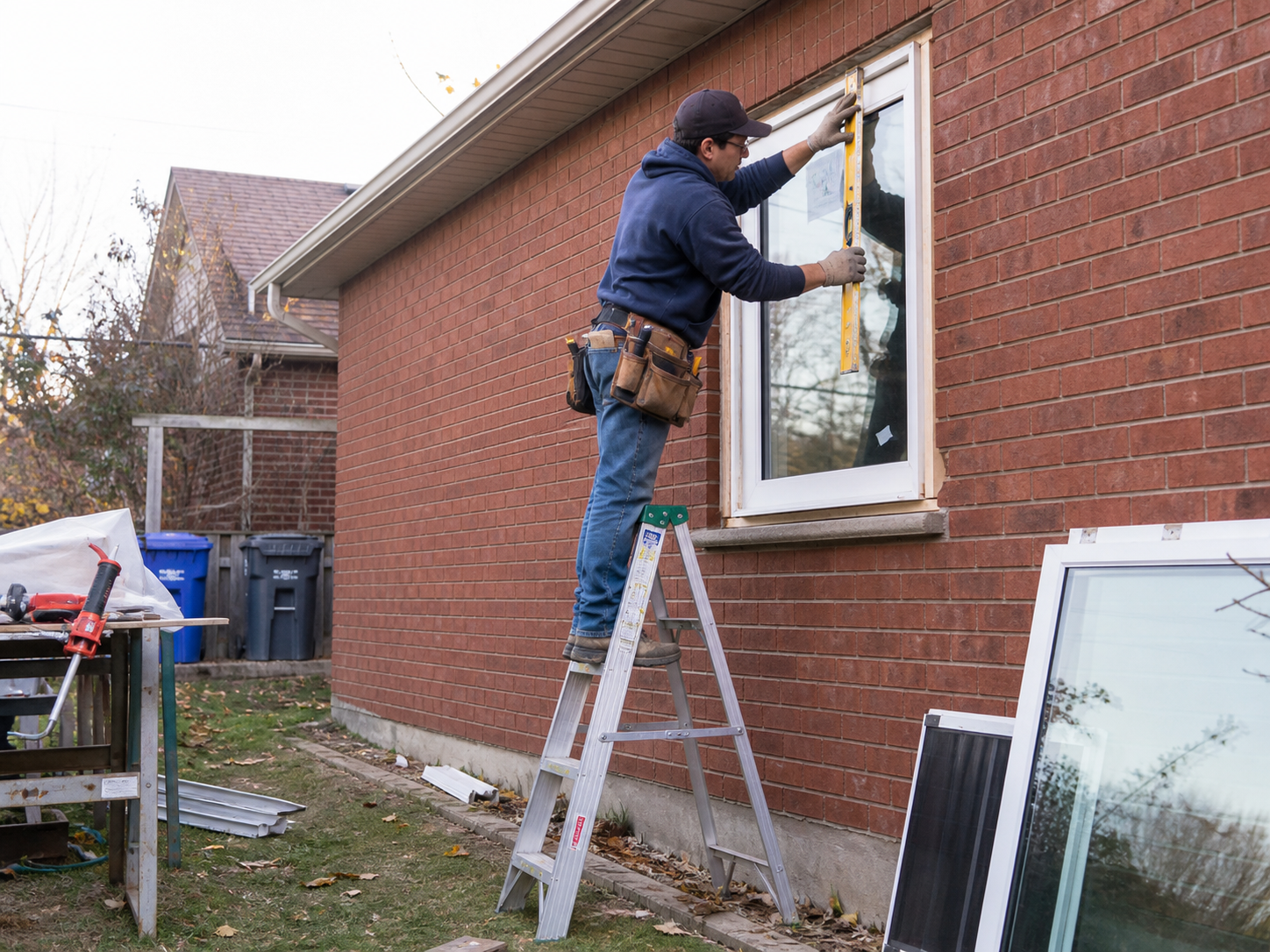
I’ve seen great glass underperform because the window wasn’t installed well. Gaps left unsealed. Frames out of level. Insulation done in a hurry on a freezing day. The glass matters, yes. The whole unit and the install matter just as much.
If you’re sorting through options and want a plain-English second opinion, you can contact us. We supply and install custom vinyl windows across Toronto and the GTA, and we’re happy to tell you when an upgrade is worth it — and when it isn’t.
Honestly, that’s the best outcome. Not the most glass. Just the right glass in the right place, so next January you’re not standing by the window wondering where your heat went.