A lot of people first ask me what a hopper window is when they're standing in a cold basement in socks, looking at a short little window near the ceiling and wondering why it feels like January is coming right through it.
Fair question. Hopper windows are common in Ontario basements and bathrooms, but they don't get talked about much until one sticks, sweats, or blocks the shelf you forgot was there. And then suddenly the small weird window matters a lot.
What is a hopper window, in plain English?
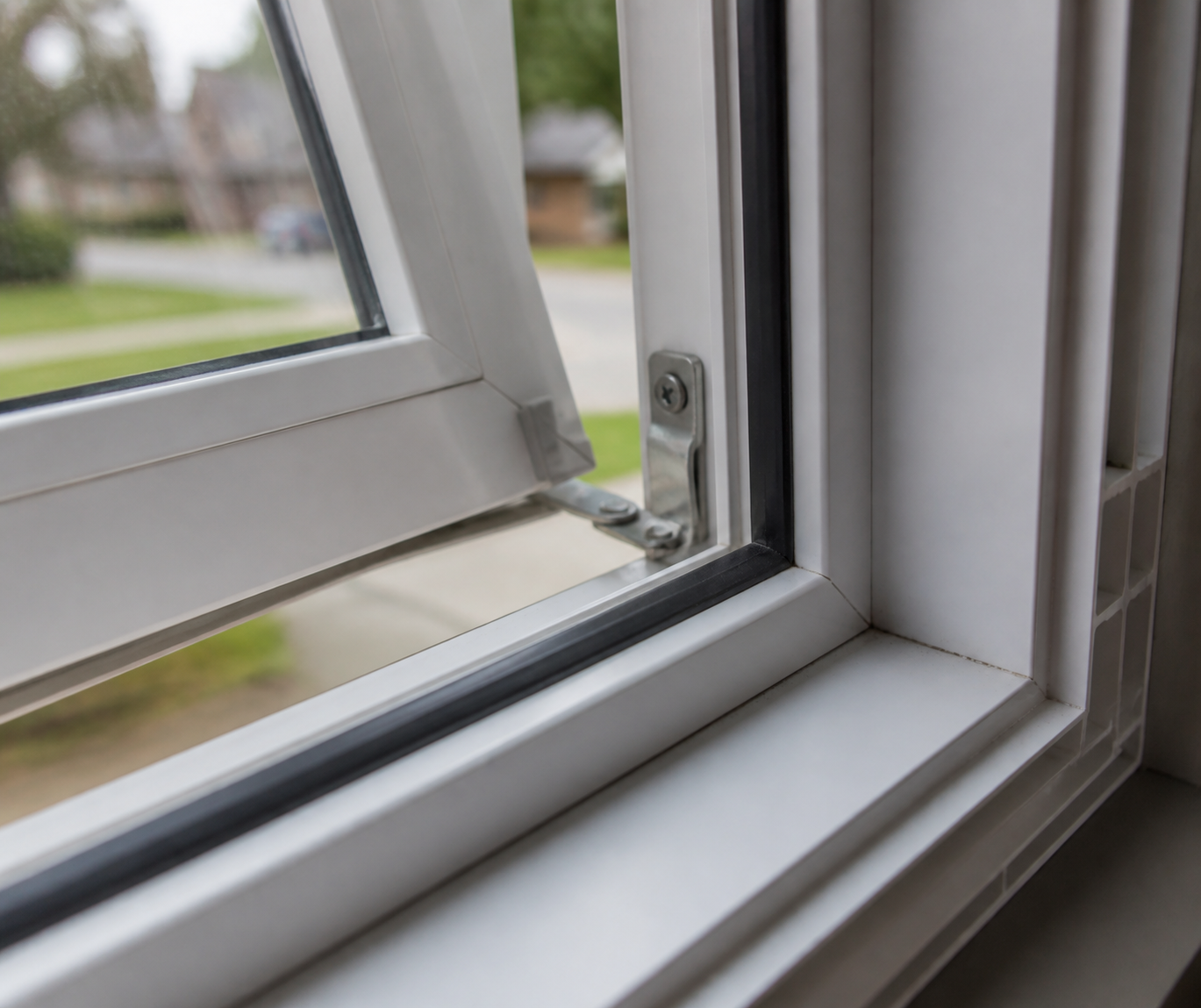
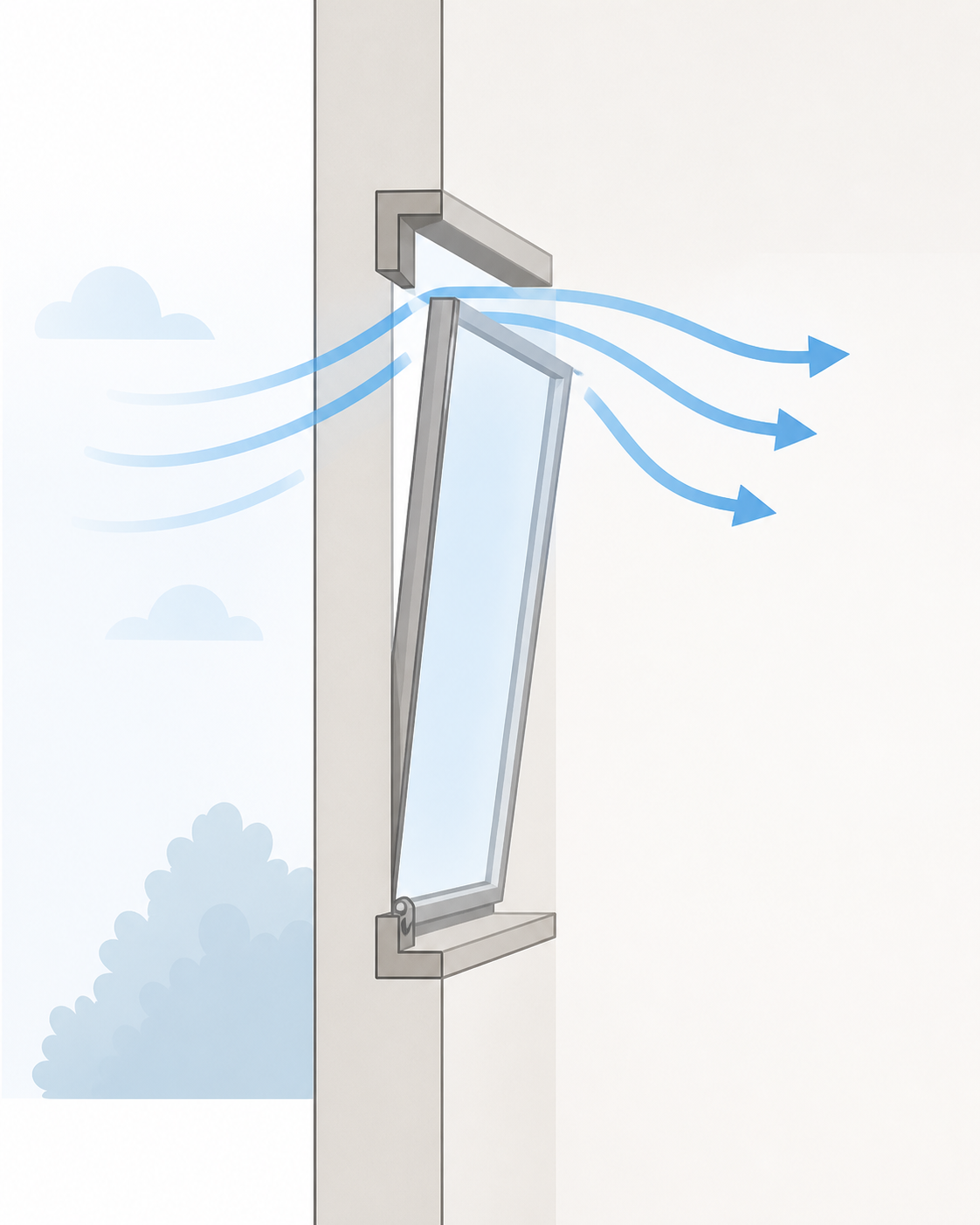
A hopper window is a window that opens inward from the top. The hinge is at the bottom, so when you unlatch it, the top tips into the room. Think of it like a small dog flap, but for fresh air and with better manners.
You'll usually see hopper windows in basements, laundry rooms, and bathrooms. Places where the wall space is tight, the window opening is short and wide, and you still want some air movement.
The name matters less than the function. If you're asking what is a hopper window, the useful answer is this: it's a compact inward-opening window made for smaller spaces where a full-height opening isn't practical.
How a hopper window opens and why that matters
Because the sash — that's the moving part of the window — tilts inward, a hopper opens differently from a slider or crank window. You release the lock, pull the top toward you, and the bottom stays in place.
That sounds simple, and it is. But the way it opens changes how you use the room. If you've got storage bins, a deep laundry sink, or a toilet tank sitting right under the opening, the window can bump into them. I've seen that more than once.
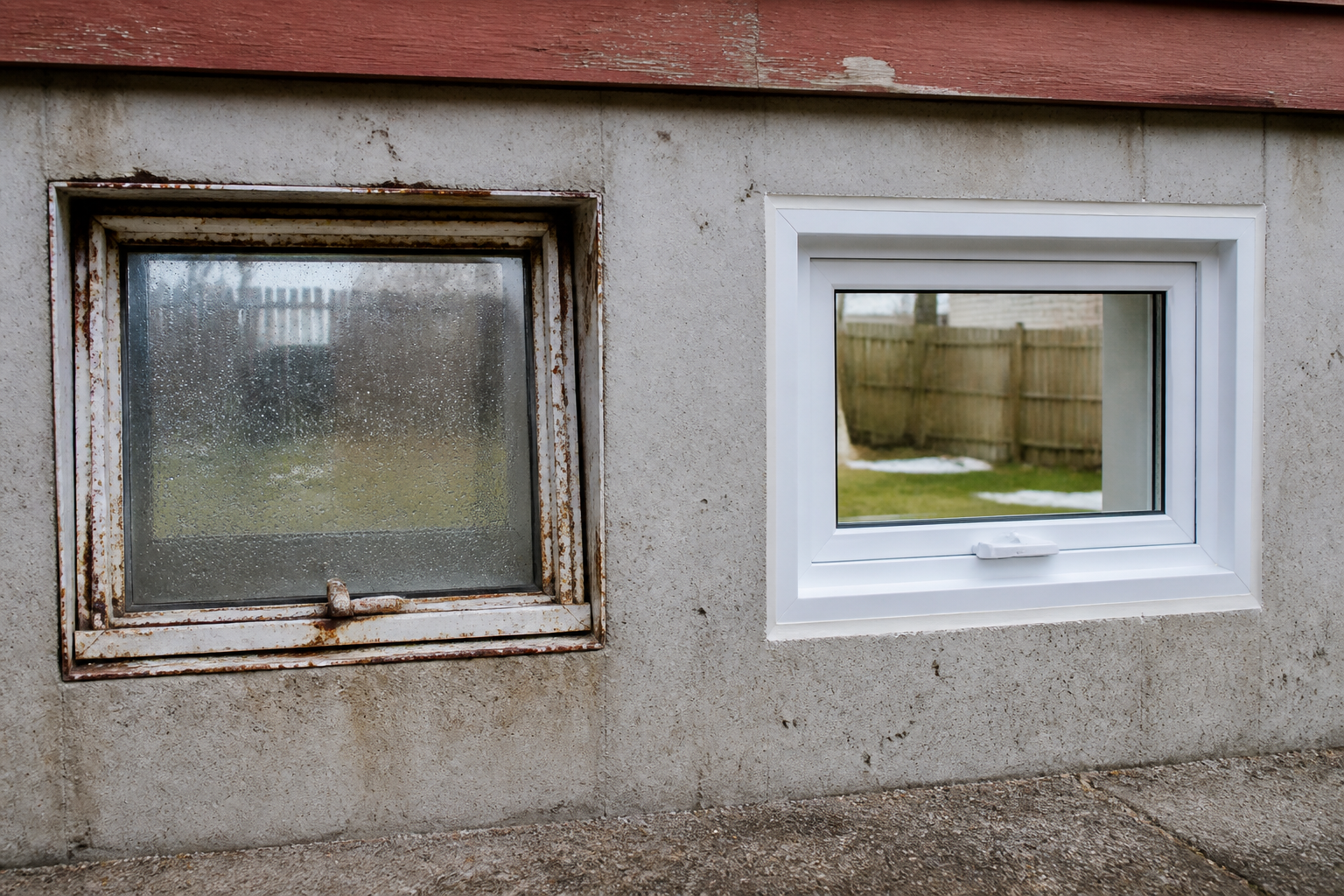
We did a job in an older bungalow near East York where the homeowner wanted better basement airflow. The old metal hopper was rusted and barely closed. Nice clear upgrade once we got there — except a custom wood shelf had been added after the old window went in, and the new sash couldn't open more than a few inches without hitting it. Nobody had thought about the inward swing. Small detail. Cost us a return trip and the customer a shelf rebuild.
Tip: Before you choose a hopper window, measure the space inside the room, not just the rough opening in the wall. The window needs swing room.
Where hopper windows work best
This is the big takeaway: hopper windows make the most sense where you need a small operable window, not a main window. They're specialists.
- Basements with short foundation wall openings
- Bathrooms where privacy matters and the opening is small
- Laundry rooms that get damp and need quick air exchange
- Utility rooms where you want ventilation without a large window
Basements are the classic spot. In a lot of Toronto semis, York Region bungalows, and older Simcoe homes, the basement window opening sits high on the wall and doesn't leave much room for anything tall. A hopper fits neatly there.
Bathrooms are the other good use. A hopper can vent steam after showers without taking up much wall space. If the opening is above eye level, you keep privacy and still get airflow. That's handy in older bathrooms where the fan is weak, loud, or both.
If you're comparing other small operable styles, our page on awning windows can help, because people often mix those up with hoppers. They look similar in photos. They do not behave the same in a room.
The good parts: why people choose hopper windows
A hopper window can be a smart, no-fuss answer. Not fancy. Just useful.
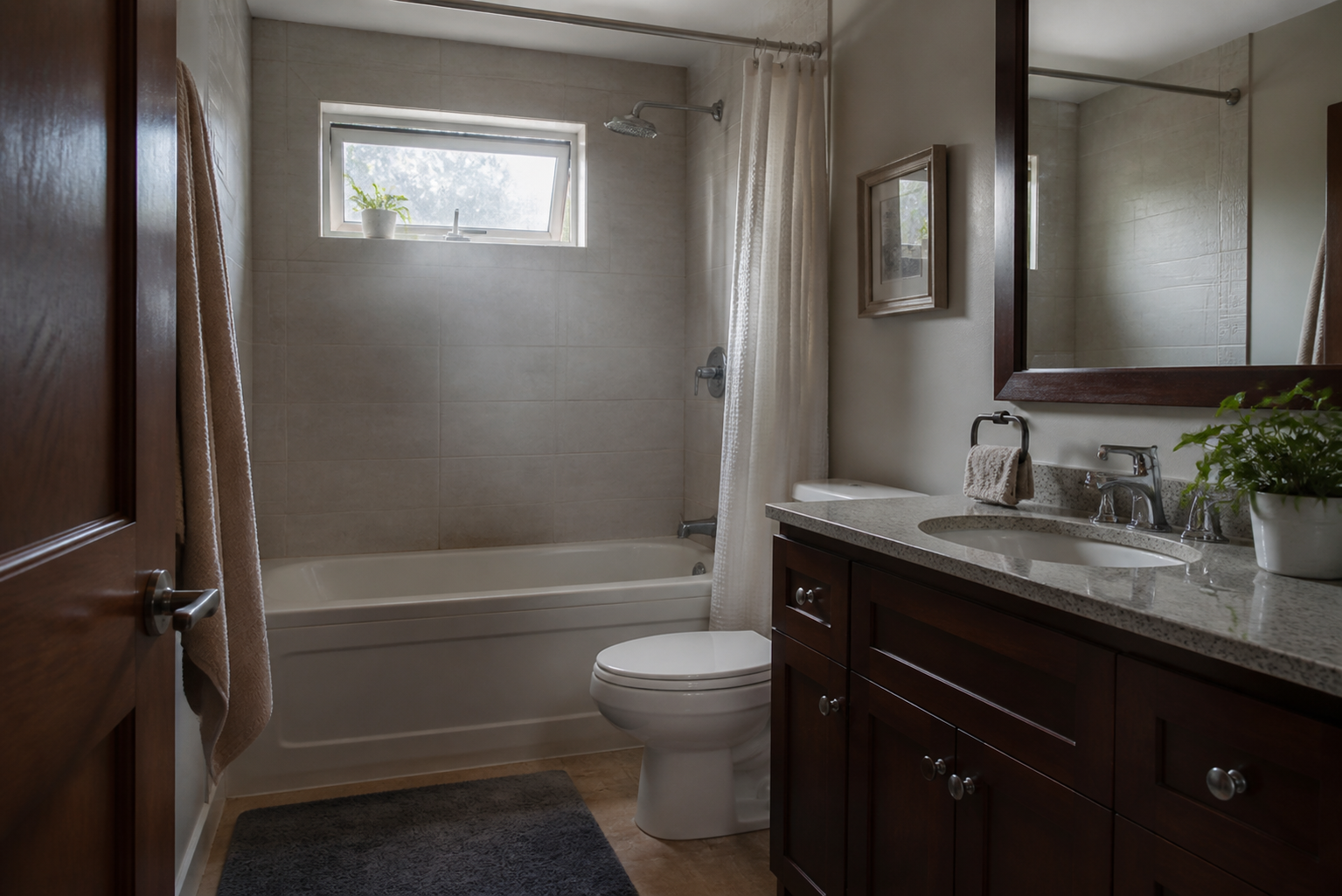
- Good fit for short, wide openings
- Simple ventilation in damp rooms
- Tight seal when closed if the hardware is decent
- Works well in finished basements where wall height is limited
- Easy to reach and latch in many basement setups
That seal point matters in Ontario. In a January cold snap, air leaks around an old basement window are brutal because you're often standing on a concrete floor already pulling heat out of your feet. A well-made vinyl hopper with proper weatherstripping can cut that draft fast.
And because the whole sash presses against the frame when it closes, they can seal up nicely. That's the compression seal part of the design. Plain English: the window shuts snug, not just side-to-side.
The downsides nobody mentions in the showroom
Here's my slightly contrarian opinion: hopper windows are great servants and poor kings. I would not use one as the main everyday window in a room if you have better options.
Why? Because the inward opening gets annoying. Fast.
- They need clear space inside to open
- They can interfere with shelves, blinds, and furniture
- The opening size is modest, so airflow is decent but not huge
- Cleaning can be awkward depending on height and trim
- They are usually not the right choice where you want a big view or lots of light
I also don't love hopper windows in spots where people walk by all the time. Open one into a narrow basement hall and someone will shoulder-check it sooner or later. That's just life.
And no, they are not the answer to every old basement window opening. Sometimes a small slider or another style fits the space better. If you're comparing movement and ease of use, slider windows are worth a look for low-clearance spots.
How good is the ventilation, honestly?
Good enough for the right room. That's the honest answer.
A hopper window lets in fresh air, but it won't move air like a large casement that catches the breeze or a bigger wide-open opening. In a basement bathroom or laundry room, that's often fine. In a stuffy rec room where you want a big cross-breeze in July, maybe not.
Ventilation depends on three things: the size of the opening, where the wind is hitting the house, and whether warm damp air has somewhere to go. In a humid Ontario summer, a little hopper can help clear out musty basement air, especially if there's another opening elsewhere in the basement or a decent exhaust fan.
In winter, use some judgment. You don't need to leave it open for an hour while the furnace works overtime and your pipes start complaining. Five to ten minutes can do plenty in a bathroom after a shower.
The other thing people ask is rain. Since the window tilts inward, you don't want it open during a hard sideways storm. That's not its talent. We get enough of those in spring and during summer thunder cells that it's worth saying out loud.
Are hopper windows energy efficient?
They can be, if the unit is built well and installed well. Both matter. A good window badly installed is still a bad day.
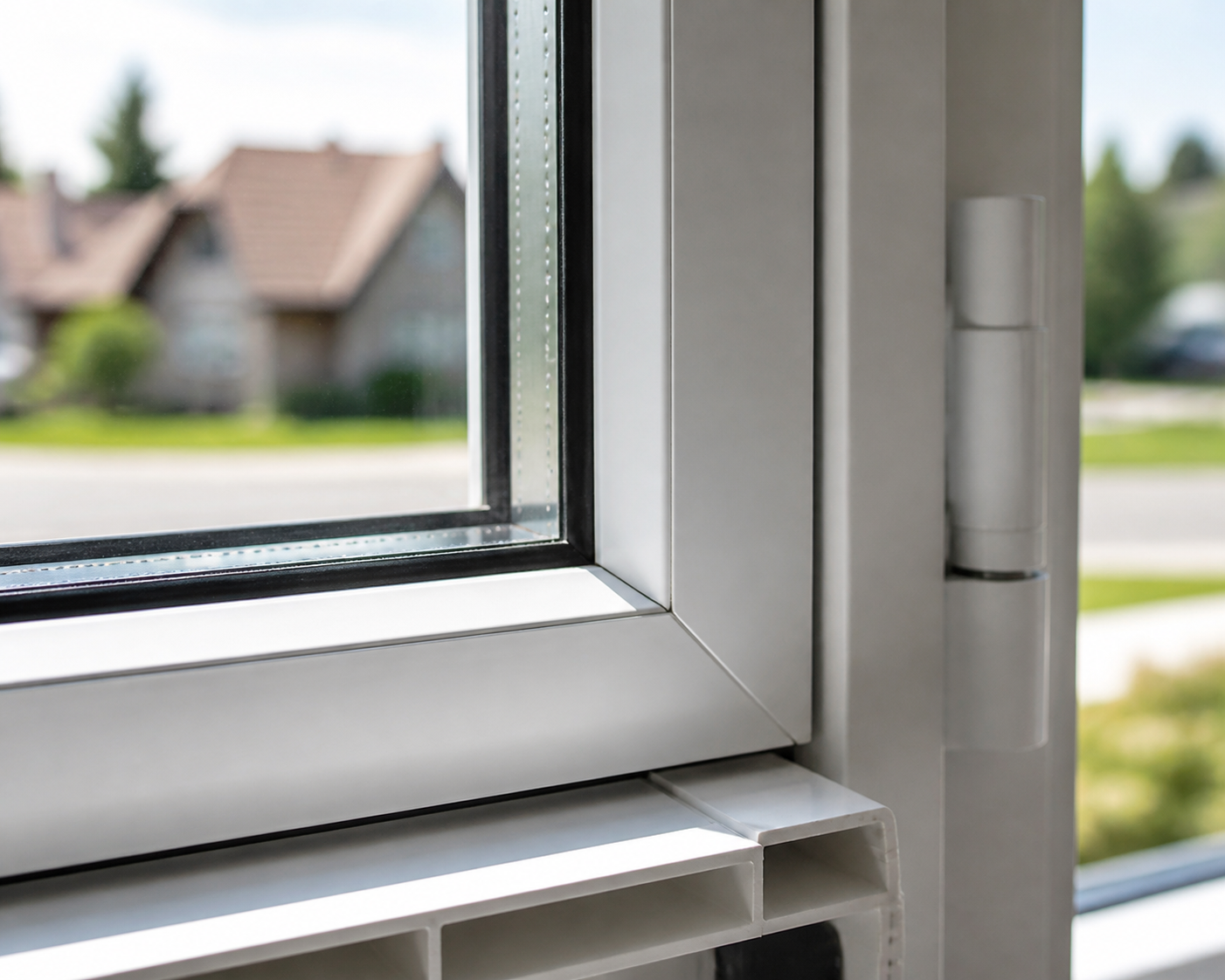
Most modern vinyl hopper windows use insulated glass: two panes with sealed space between them, often with gas between the panes and a coating that reflects heat. That's where terms like argon and Low-E come in. Helpful features, yes. Magic, no.
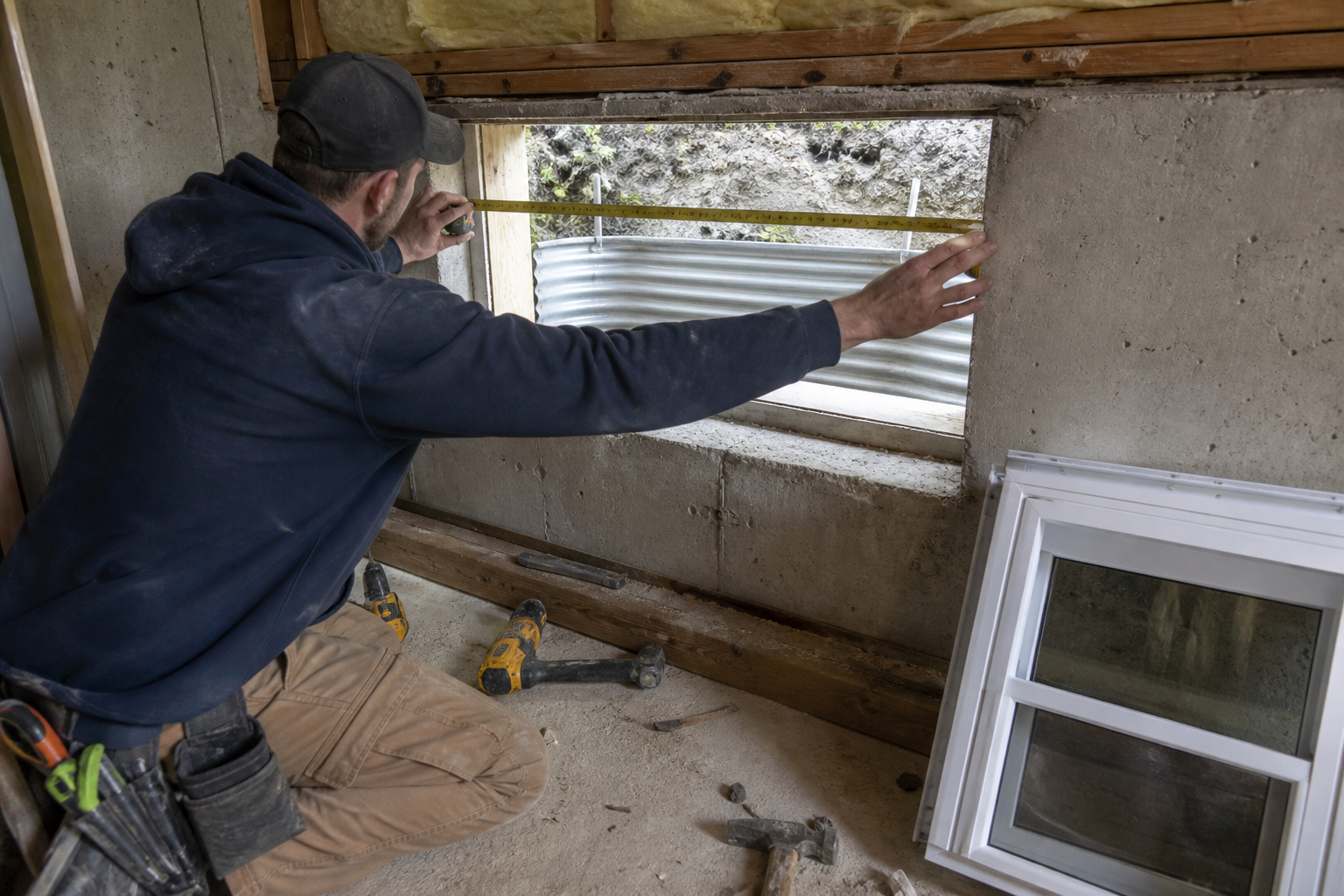
What makes the bigger difference in a basement is often the install around the frame. If the perimeter isn't sealed and insulated properly, cold air can leak around the unit even if the glass itself is fine. We see that on replacement jobs all over Toronto & the GTA, especially in older poured concrete or block foundations where the openings are never as square as anyone hopes.
If your old basement window has condensation between the panes, a failed seal, or visible rot around the frame, you're not just losing comfort. You're inviting mould smells, damp trim, and that low-grade chill that makes a finished basement feel unfinished.
So, is a hopper window right for your space?
Ask yourself one question: do you need a compact window for a secondary space, or do you need a main window you'll use all the time?
If it's a basement utility room, bathroom, or small laundry area, a hopper often makes perfect sense. It gives you ventilation, a solid seal, and a clean fit in a short opening.
If it's a bedroom, main living area, or anywhere the window is part of your daily routine, I'd slow down and look at other styles first. Comfort isn't just about insulation. It's also about how easy the window is to live with every day.
And one more thing. If this is a basement bedroom, don't assume a hopper automatically meets escape rules. It often doesn't. That's a separate issue from style, and it's one worth checking carefully before you order anything.
A short checklist before you order one
- Is there enough indoor clearance for the sash to swing in?
- Will blinds, shelves, or plumbing fixtures interfere?
- Is this window for occasional venting or daily use?
- Do you need privacy, airflow, or both?
- Is the basement opening square, dry, and in good shape around the frame?
If you're not sure, that's normal. Window choices look simple until you start living with the wrong one.
If you want a second set of eyes on an opening, send us a few photos through our contact page. We supply and install full windows, not glass-only repairs, and I can usually tell pretty quickly if a hopper makes sense or if another style will save you a headache later.