I’ve had more than one customer stare at a fiberglass quote, then at a vinyl quote, and ask the same thing: "Okay... what am I *actually* getting for all that extra money?" Fair question. In a lot of GTA homes, that answer is not as dramatic as the brochures make it sound.
Here’s the part most people get wrong. They compare the frame material first, then stop there. But your comfort in a January cold snap, the street noise you hear at 11 p.m., and how the window holds up in a humid August all depend on the full build, the opening style, and the install too. The frame matters. It just isn’t the whole story.
Why the choice matters in a GTA home
If you live in Toronto, Vaughan, Newmarket, or up toward Barrie, your windows get a workout. We ask them to handle ice, wind, sun, humidity, road salt, and those weird spring days where it’s 2°C in the morning and 18°C by lunch. So the vinyl vs fiberglass windows question is less about bragging rights and more about this: where does the extra money change your day-to-day life, and where is it just a nicer spec sheet?
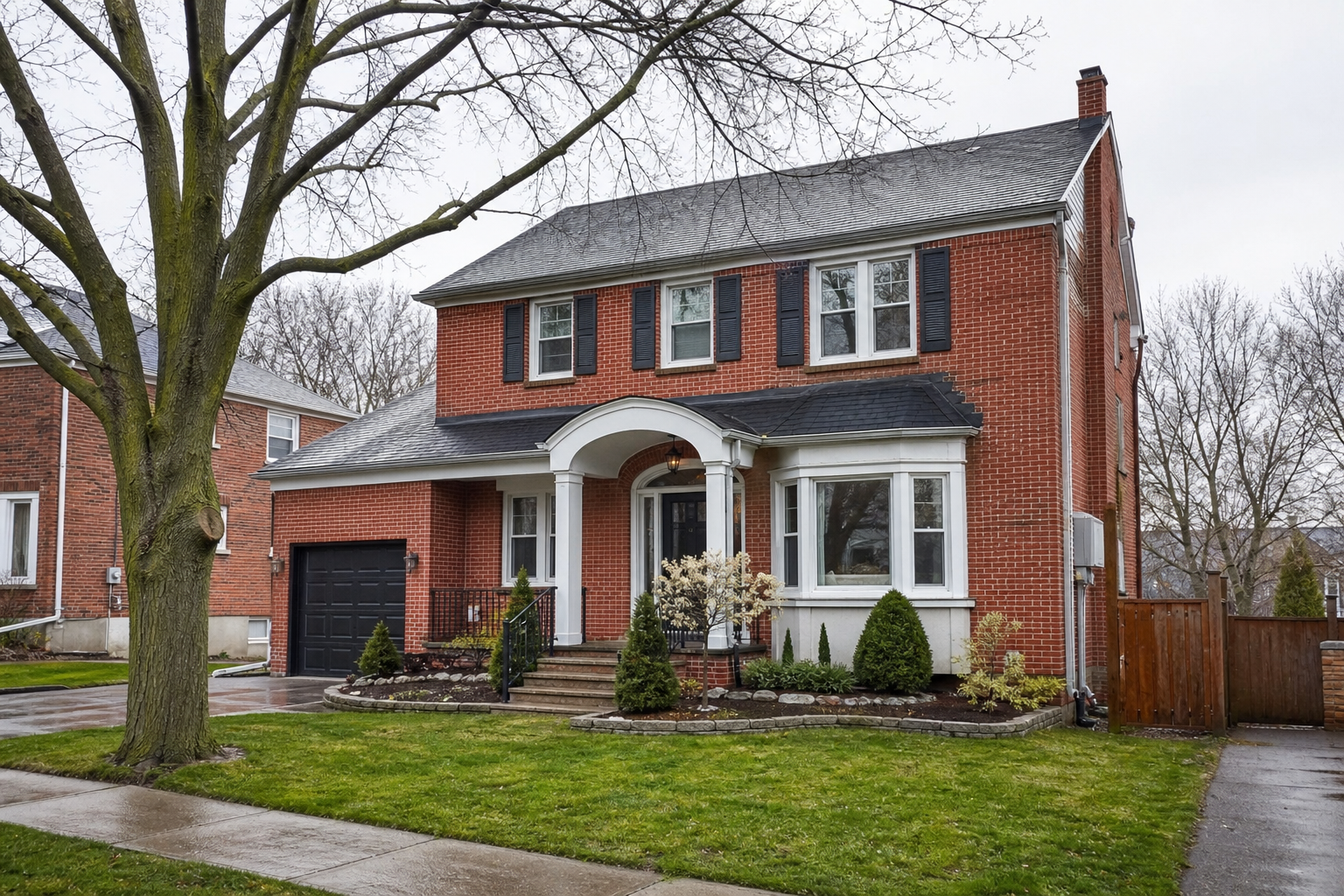
I remember a job in Leaside on a brick 1940s house. The owners came in convinced fiberglass was the only “serious” option. But once we looked at their goals—less draft near the dining room, easier cleaning, and a budget that still left room for the front door—we landed on premium vinyl. They were surprised. And happy. That’s why I like this comparison better than the usual material-vs-material debate.
Vinyl: the better value more often than people expect
Vinyl gets underestimated because it’s common. People assume common means cheap in the bad sense. It doesn’t. A well-made vinyl window can be a strong fit for most GTA homes because it insulates well, needs little upkeep, and usually gives you the best return for the money.
The frame is made from PVC. The useful part for you is this: vinyl doesn’t conduct heat quickly, so it doesn’t pull warmth out of the room the way some harder materials can. In plain English, the frame itself tends to stay comfortable. That matters when you’re sitting beside a window in January.
- Usually the lower upfront cost, often by a noticeable margin
- Strong energy performance with the right glass package
- Low maintenance—no painting, little fuss
- Good choice for common GTA replacement projects
- Lots of style options, from [casement windows](/windows/casement-windows) to sliders and picture windows
Now the honest part. Vinyl is not magic. On very large openings, darker exterior colours, or spots with lots of direct sun, fiberglass can hold shape a bit better over time. That doesn’t mean vinyl fails. It means quality matters, reinforcement matters, and the right window for a huge opening may not be the same as the right window for your upstairs bedrooms.
Tip: If you’re comparing quotes, don’t stop at the frame material. Ask what glass package is included, what spacer sits between the panes, and how the opening will be insulated during install. That’s where a lot of comfort lives.
And yes, I own a vinyl window company. So I’ll say the quiet part out loud: if fiberglass were clearly better for every house, I’d have to admit that on every quote. It isn’t. For many homes we service across Toronto and the GTA, vinyl is the smarter spend.
Fiberglass: good material, but the upgrade has to earn itself
Fiberglass is stiff. That’s its big selling point. Think of it like a sturdy ladder versus a good stepladder—both work, but one feels more rigid under load. That rigidity can help on bigger units and in designs where slim sightlines matter, because the frame can stay strong without getting chunky.
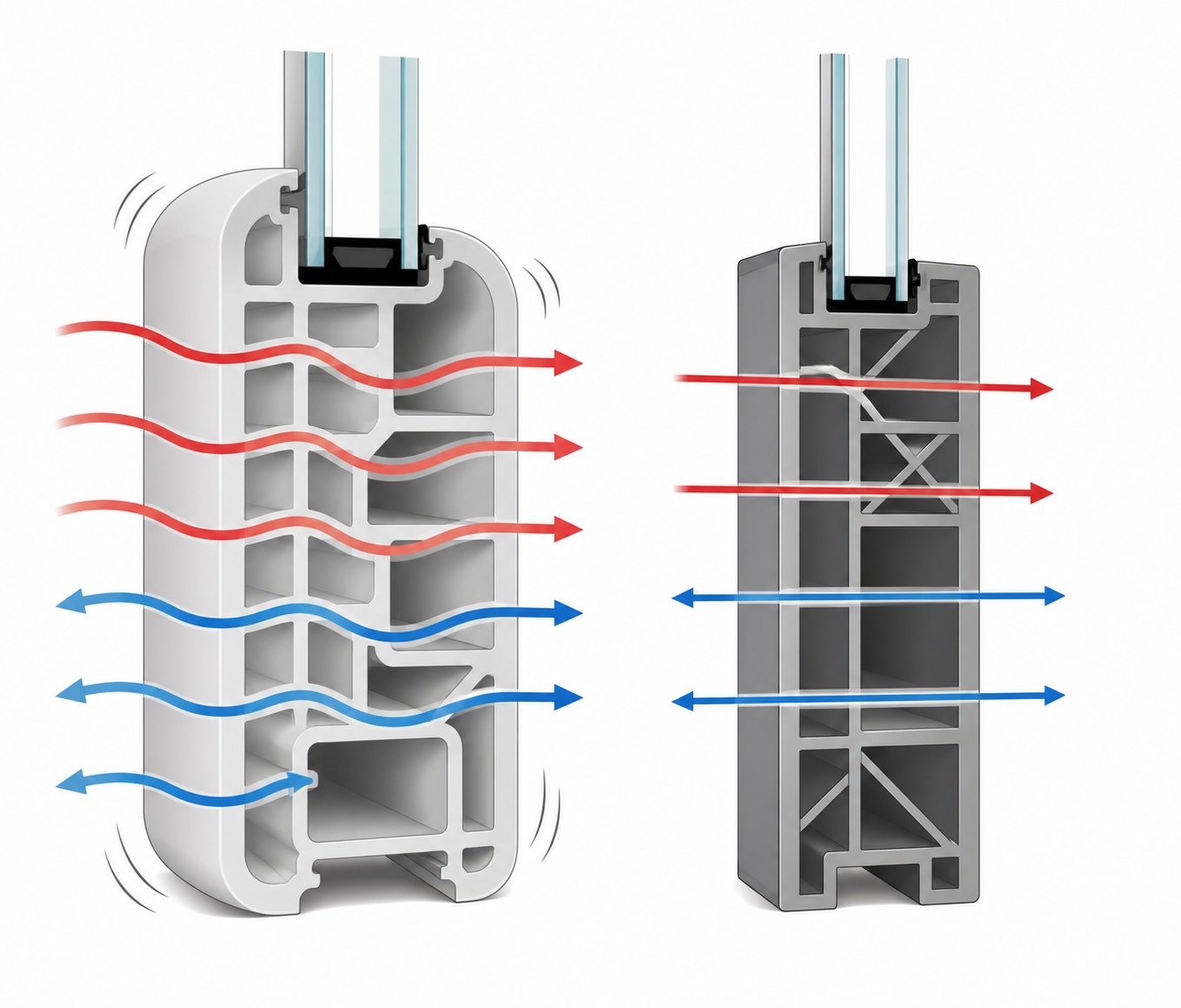
It also expands and contracts less with temperature swings. That sounds small, but in Ontario, temperature swings are not small. In theory, that can help long-term stability. Fiberglass can also be painted, which some people love if they want a specific exterior colour down the road.
So what’s the catch? Price. Fiberglass windows often come in well above vinyl. Not a tiny bump. Enough that on a full-house project, the difference can change the whole plan. Maybe that means you replace fewer windows now. Maybe you skip triple pane where you would have benefitted more. Maybe you put off fixing the draftiest opening because the budget got eaten by the material upgrade.
That’s why I’m cautious with blanket advice. If you’re paying more, the gain should be clear to you. Better suited for a big back wall of glass? Maybe. Worth it for standard bedroom windows in a detached home in Aurora? Often, no.
Vinyl vs fiberglass windows side by side
| Factor | Vinyl | Fiberglass |
|---|---|---|
| Cost | $$ | $$$-$$$$ |
| Energy efficiency | Excellent | Excellent |
| Noise | Glass matters more | Glass matters more |
| Maintenance | Low | Low |
| Lifespan | Long | Long to very long |
| Best use | Most replacement jobs | Large or demanding openings |
A couple of rows need a bit more context. Noise, for one. People often expect fiberglass to be much quieter. Usually, the bigger factor is the insulated glass unit—the sealed panes, the gas between them, the thickness mix—not the frame material alone. Same with efficiency. A good vinyl window can outperform a mediocre fiberglass one. No contest.
What you really get for the extra money
Here’s the core idea of this whole article: in most GTA homes, the extra money for fiberglass buys you more potential than guaranteed everyday comfort. That can be worth it. But only in the right situations.
The upgrade often makes sense if:
- You have very large window openings
- You want slimmer frame lines for more glass
- You care about future paintability
- Your project is higher-end and the budget has room
The upgrade often does not make sense if:
- You’re replacing standard-sized windows in a typical detached or semi
- Your main goal is comfort, less draft, and lower upkeep
- The extra spend would force compromises elsewhere
- You’d get more value by upgrading the glass or opening style instead
That last point gets missed all the time. I’d rather see you put money into the right style for airflow, a better install, or a smart mix of fixed and operable units than stretch for fiberglass just because it sounds premium. If your family room needs a big centre view with airflow on the sides, a picture window setup may move the needle more than the frame material itself.
So which should you pick for your house?
Pick vinyl if your house is like most houses we work on: brick detached, semi, townhouse, or bungalow, with normal-sized openings and a normal budget. You’ll usually get the best balance of comfort, efficiency, and cost. That’s the boring answer. It’s also the honest one.
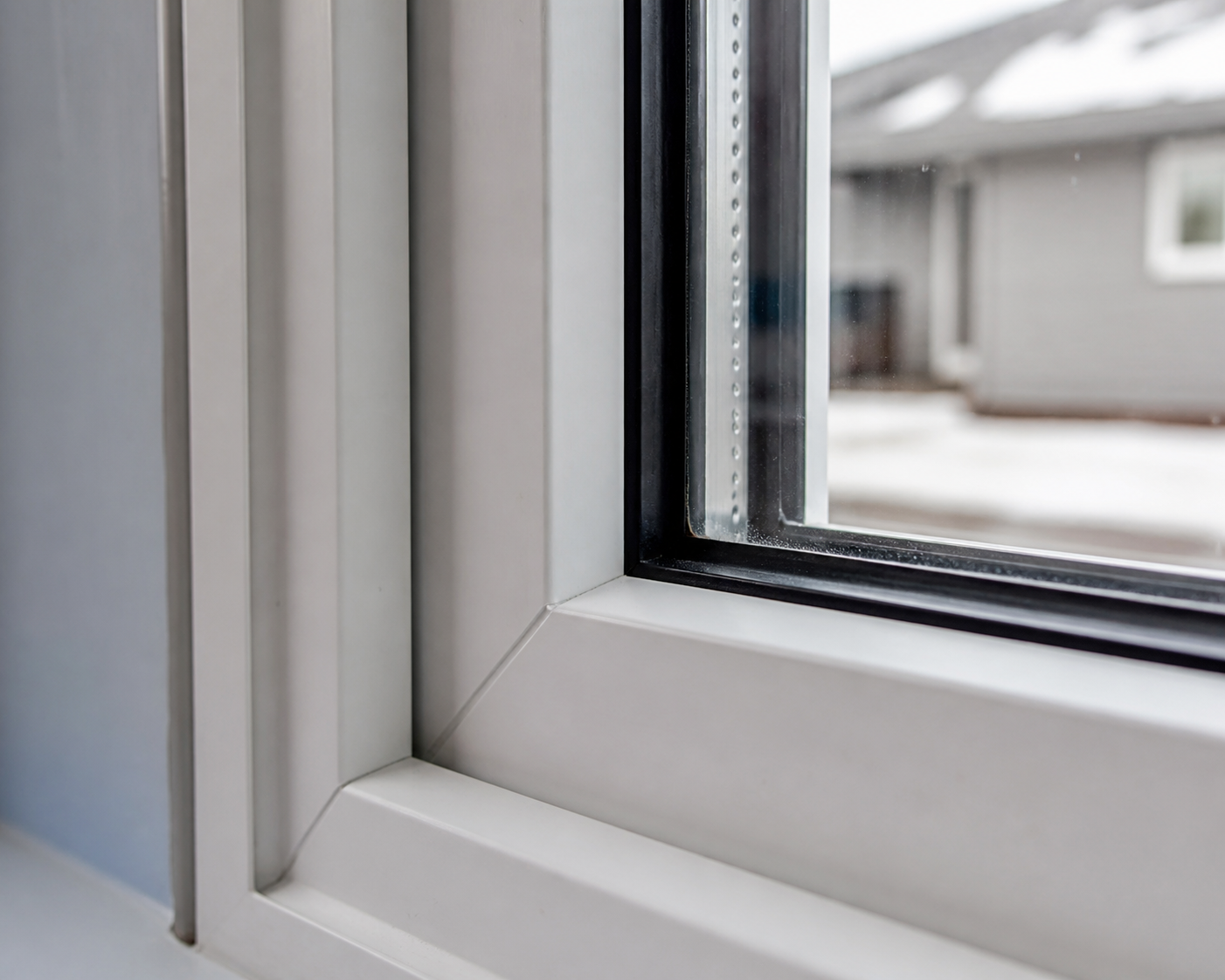
Pick fiberglass if you have a specific reason to. Bigger openings. Design-driven project. Strong preference for slimmer profiles. Or you simply know you want that material and the cost won’t affect the rest of the job. There’s nothing wrong with choosing the nicer thing if you know why you’re paying for it.
If you’re stuck, do this step by step. First, decide what problem you’re solving: drafts, noise, looks, resale, or all of the above. Next, look at the biggest and hardest-working windows in the house, not just the small easy ones. Then compare full quotes, not material labels. And if you want a second set of eyes, you can always reach out here. We’ll tell you if fiberglass is worth it on your place—or if your money belongs somewhere else.
I like good materials. I also like people keeping a few thousand dollars in their pocket when the upgrade won’t change much. That’s probably the family-business side of me talking. Still true, though.