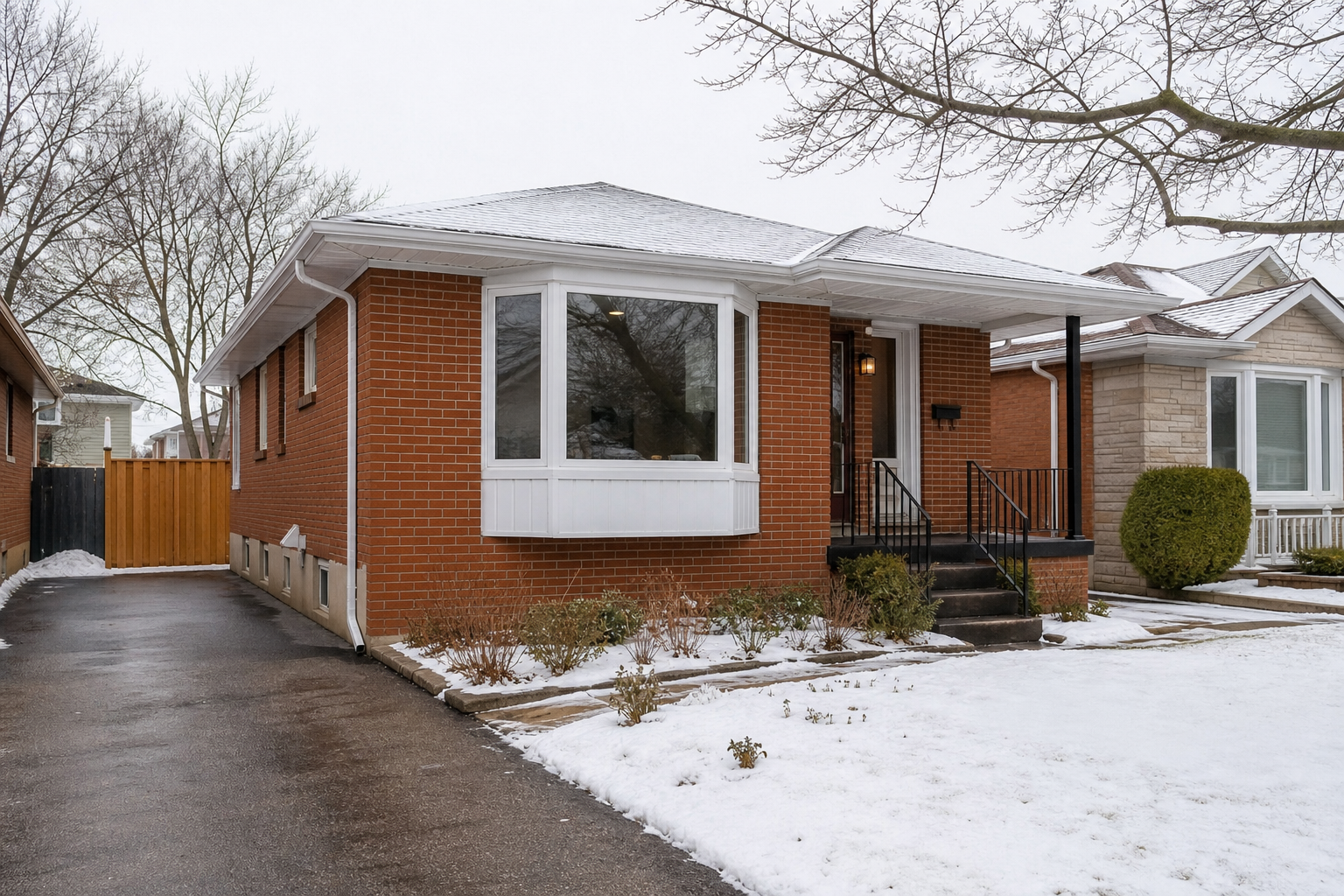

A few winters ago, I stood in a North York living room while the homeowner pointed at little puddles on the sill and said, "I thought aluminum was supposed to last forever." Fair question. The problem was nobody had warned her that strong and good-looking are not the same thing as warm.
That’s why the vinyl vs aluminum windows question matters so much in Ontario. Our windows deal with January cold snaps, sticky July humidity, wind off the lake, and the odd ice storm just to keep things interesting.
I own WindowFixers.ca, and we install custom vinyl windows across the GTA, York Region, and up to Barrie. So yes, I have a point of view. But I’ll keep this honest: both materials have strengths. The right pick depends on your house, your budget, and how much you care about comfort versus sleek looks.
Why vinyl vs aluminum windows keeps coming up
Most homeowners aren’t comparing frame materials for fun. They’re replacing old windows because the bedrooms are cold, the furnace never seems to stop, the glass sweats, or the curb appeal is stuck in 1987. And then someone says, "What about aluminum?"
Here’s the simple version. Vinyl is better at slowing heat loss. Aluminum is stronger and slimmer looking, but it conducts cold fast. That matters a lot more in Ontario than it does in milder places. In a condo tower downtown, aluminum can make sense. In a detached house in Aurora or Barrie? Usually a different story.
If you’re already sorting out what type of operating window you want, our page on casement windows is worth a look because frame material and window style work together more than people think.
Vinyl windows: where they shine, and where they don’t
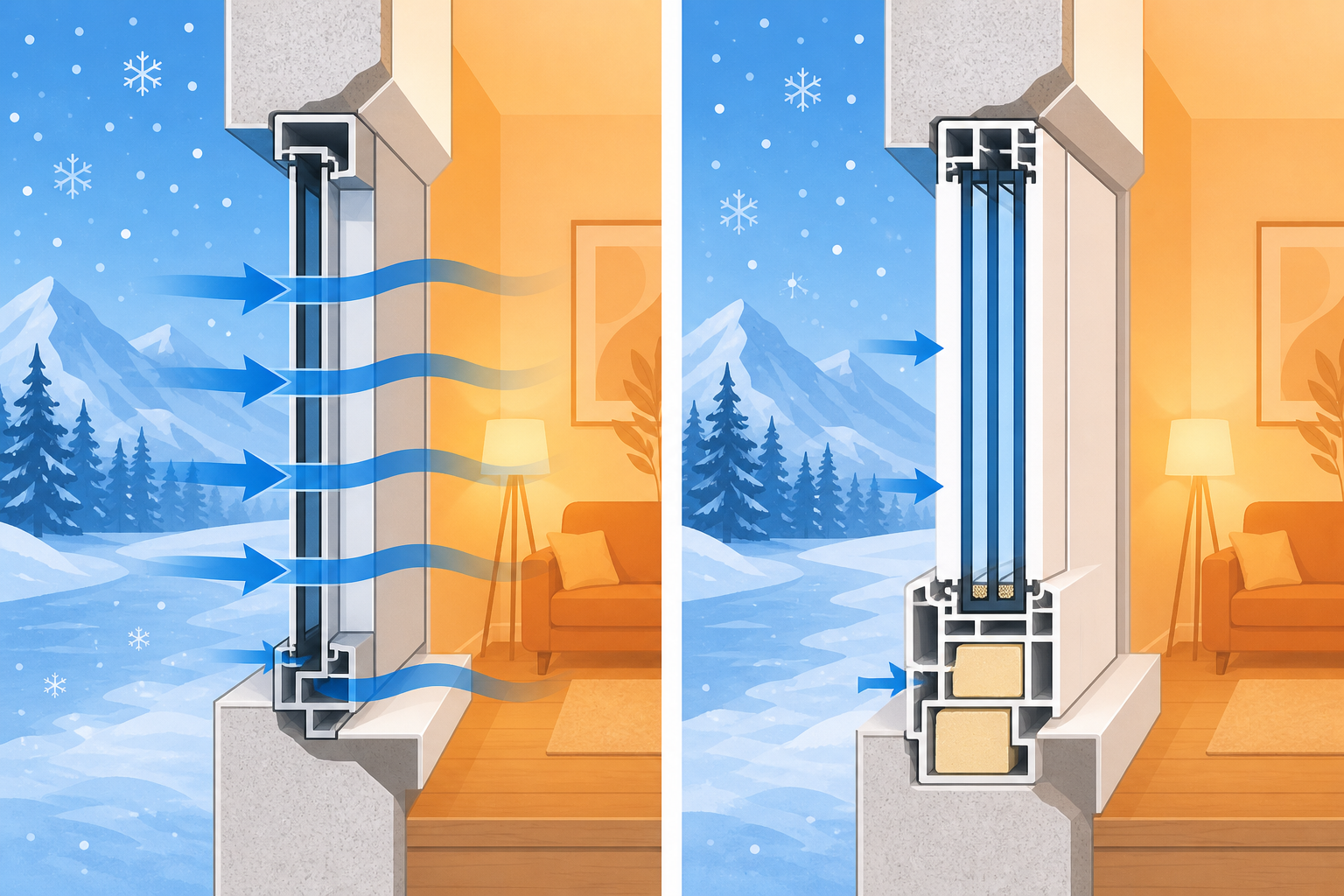
For most Ontario houses, vinyl wins on comfort. Full stop. The frame itself doesn’t transfer heat nearly as quickly as aluminum, so the inside edge of the window stays warmer in winter. That helps with both energy efficiency and condensation.
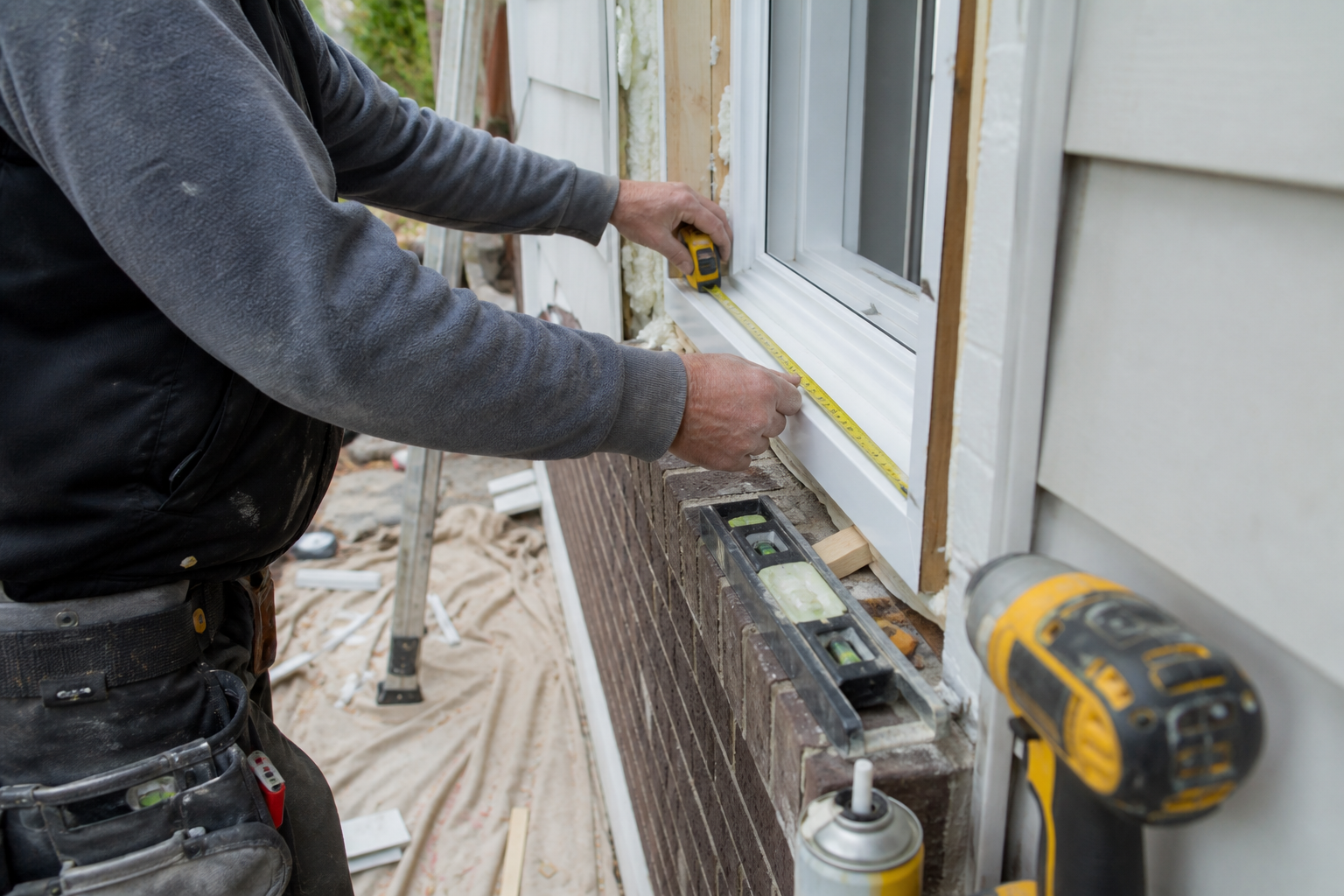
This is where plain language helps. If the inside part of the frame gets very cold, indoor moisture turns into water on it. That’s condensation. In window talk, the frame material is affecting thermal performance. Fancy phrase, simple problem: cold frame, more sweating.
Modern vinyl windows also have multiple hollow sections inside the frame. Those little air pockets help slow heat transfer. The industry term is multi-chamber construction. You don’t need to remember the term. Just remember why it matters in a Markham January.
- Best for energy savings and comfort in cold weather
- Usually lower cost than comparable aluminum
- Low maintenance — no painting, little fuss
- Good noise control when paired with solid glass packages
- Available in lots of styles and colours
Now the honest part. Vinyl is not perfect. The frames are usually bulkier than aluminum, so you may lose a bit of glass area. If you love that ultra-thin modern look, vinyl won’t look quite as sharp. And on very large openings, material choice has to be planned carefully so things stay rigid and square over time.
Useful tip: if condensation is your main complaint, don’t just blame the glass. Frame material matters, but so does indoor humidity. We’ve seen perfectly good windows in Richmond Hill homes dripping because the humidifier was set way too high during a cold spell.
We had a job in East Gwillimbury where the owners were sure they needed to spend extra for aluminum because they thought it was the "premium" choice. Their old metal windows were freezing cold to the touch. Once we explained how heat was racing through those frames, the decision got easier. They went vinyl, and the first thing they noticed wasn’t the hydro bill. It was that the couch by the window stopped feeling like a bus shelter.
Aluminum windows: clean look, tougher trade-offs
Aluminum windows do have real strengths. They’re strong, stable, and can have slimmer frames. That means a clean, modern look with more visible glass. On some contemporary homes, that aesthetic is the whole point.
They also hold up well structurally. Aluminum doesn’t swell, and it handles sun exposure well. For certain commercial buildings and some custom modern designs, it’s a logical material.
But for Ontario houses, here’s the thing: aluminum is a very good conductor. In normal-person terms, it moves heat and cold quickly. So in winter, the outside cold travels inward through the frame much more easily. Better aluminum windows try to interrupt that path with a built-in separator between interior and exterior metal. That break in the metal is called a thermal break.
Thermal breaks help. They do not perform miracles. Compared head to head, good vinyl usually still insulates better than aluminum in our climate.
Condensation is the other big issue. Because aluminum frames can get colder indoors, you’re more likely to see water, frost, or damp corners during very cold weather. If you’ve ever wiped down old metal windows in February and wondered why they seem to cry all morning, well, there’s your answer.
Cost can surprise people too. Aluminum often sounds like the tougher, simpler choice, but residential aluminum windows are usually not the budget option. You may pay more and still get weaker energy performance. That doesn’t make them bad. It just means looks and structure are often what you’re paying for.
Vinyl vs aluminum windows: side-by-side
| Factor | Vinyl | Aluminum |
|---|---|---|
| Cost | Usually lower | Usually higher |
| Energy efficiency | Very good | Fair to decent |
| Noise | Good to very good | Depends on glass |
| Maintenance | Low | Low |
| Lifespan | Long with good install | Long, very durable |
| Best use | Most Ontario homes | Modern looks, some specialty uses |
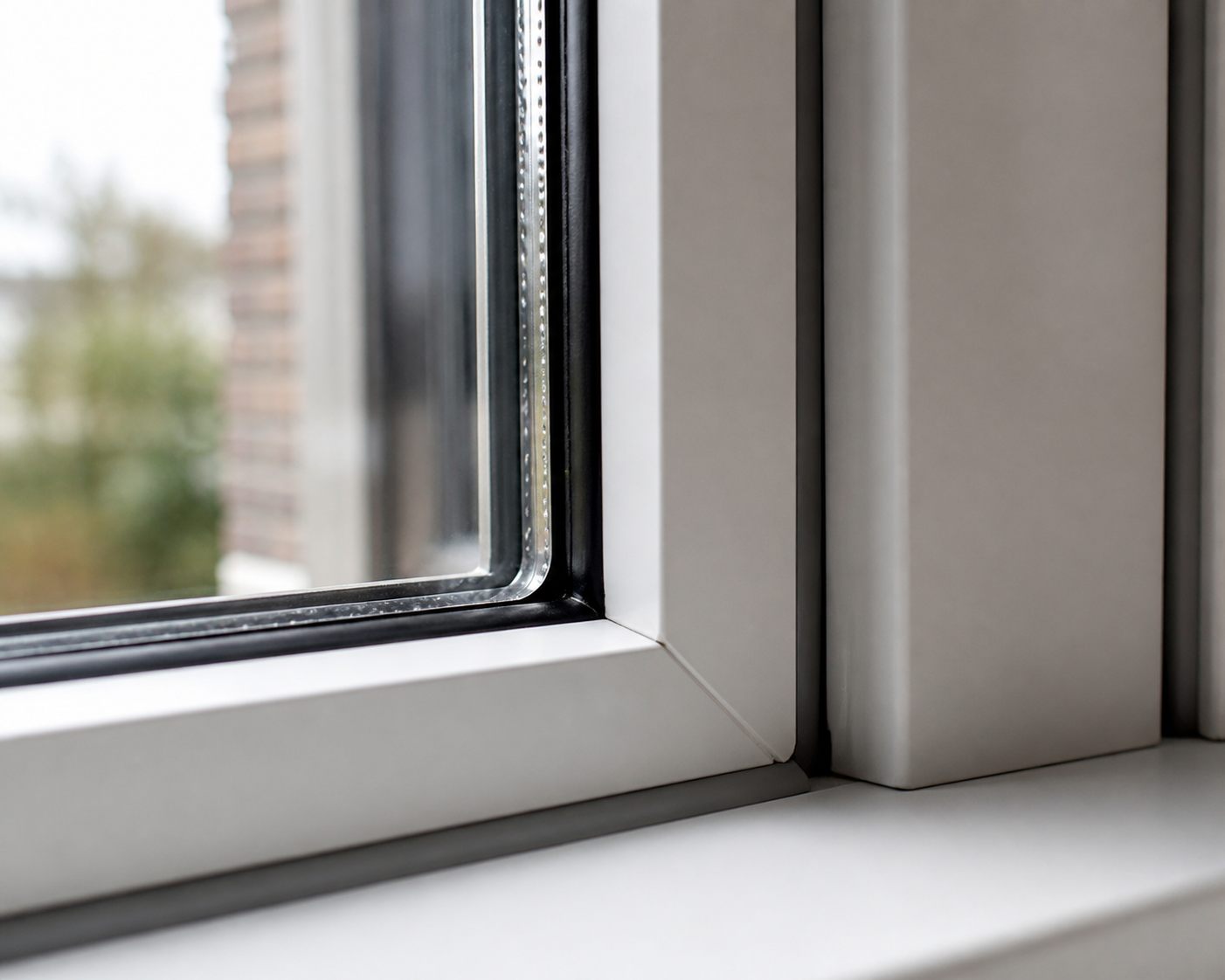
A quick note on noise, because people ask. Frame material matters some, but glass and air sealing matter more. A poorly installed expensive window is still a poorly installed window. We see that all the time in older subdivisions around Toronto and the GTA, where the drafts are often around the frame, not through the middle of the glass.
So which should you pick for your home?
Pick vinyl if comfort and value are the priority
For the average detached home, semi, townhome, or bungalow in Ontario, I’d lean vinyl almost every time. Better energy efficiency. Less chance of condensation trouble. Usually better value for the money. That’s why we focus on custom vinyl windows rather than trying to be all things to all people.
Pick aluminum if the design goal matters more than the efficiency gap
If you’re building a very modern home and you absolutely want thin sightlines — the narrow frame look — aluminum may still be worth considering. Same goes for certain large or specialty openings where engineering drives the decision. Just go in with eyes open about winter performance.
What I’d tell my own family
If my sister in Newmarket asked me what to put in a typical Ontario house, I’d say vinyl without much hesitation. Spend the money on a better glass package, solid installation, and the right style for the room. That usually gives you more real-life comfort than chasing a sleek frame profile you stop noticing after two weeks.
And please don’t judge the whole decision by showroom looks alone. Windows have to live through slush, freeze-thaw cycles, humid summers, and that sideways rain we get in spring. Pretty matters. But warm matters too.
If you want help sorting out what makes sense for your place, send us a few photos through our contact page. We’ll give you a straight answer. Sometimes that answer is "yes, replace them." Sometimes it’s "not yet." Honestly, that’s a lot more useful than a sales pitch.