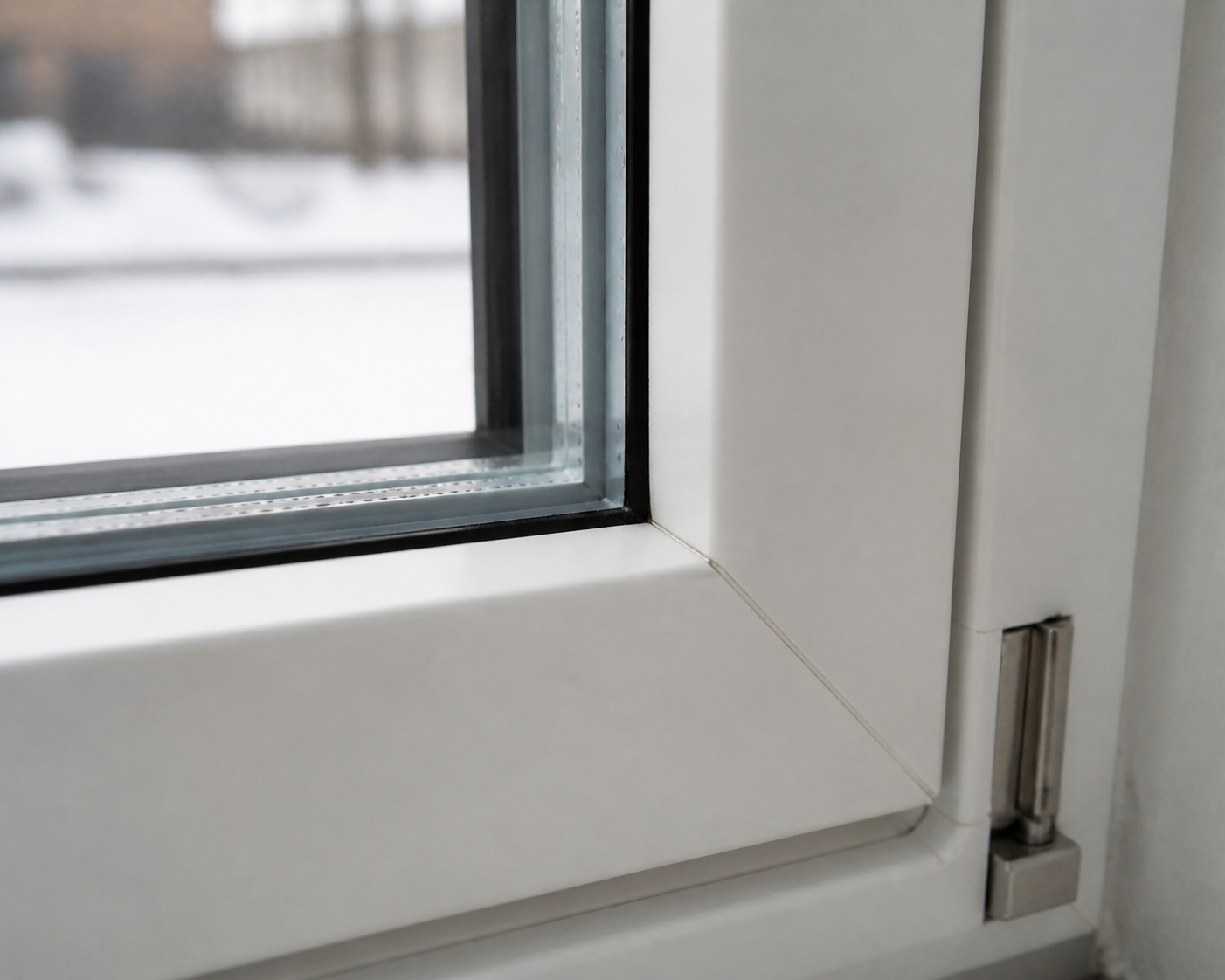
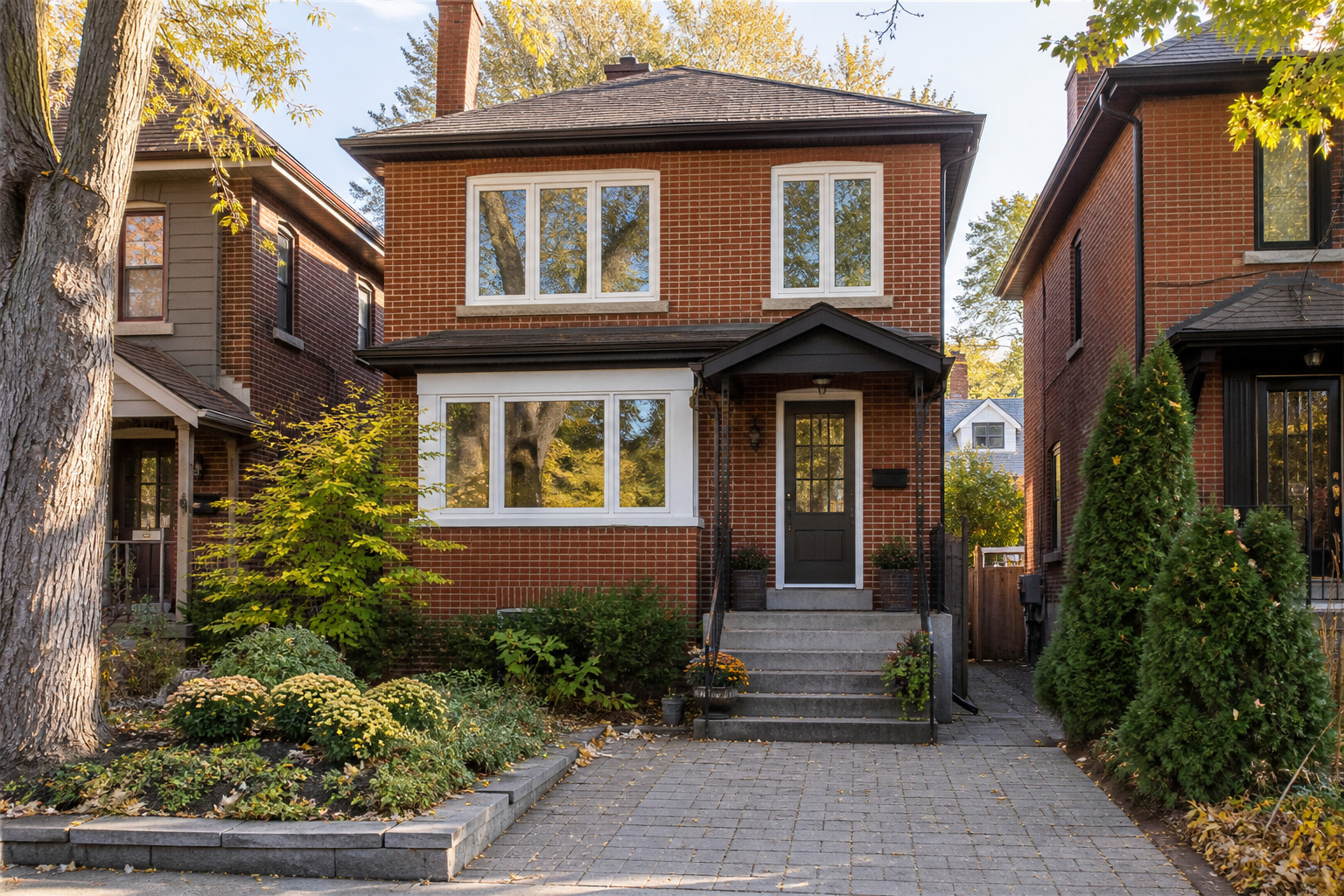
If you’re shopping for vinyl windows in Toronto, it’s easy to get overwhelmed. Every product can sound similar at first, but the right choice depends on more than looks. In our climate, windows need to handle January cold snaps, humid summer days, driving rain, and years of expansion and contraction without becoming drafty or difficult to use.
A good window decision usually comes down to three things: how the window is built, how well it suits your home and lifestyle, and how carefully it’s installed. This guide walks through what to look for, how Toronto-area conditions affect your options, and what a quality install should include so you can compare quotes with more confidence.
Start With Your Home, Not the Brochure
The best vinyl windows for one Toronto home may be the wrong fit for another. A detached house near the lake, a semi in East York, and a bungalow in North York can all have different needs based on exposure, age, ventilation, and room layout. Before comparing brands or features, think about how each window actually works in the space.
For example, a kitchen over the sink often benefits from casement windows because they open wide and catch breezes. A basement or bathroom may be better suited to awning windows, which can be opened during light rain. In a room where you want maximum daylight and an unobstructed view, picture windows are often part of the conversation.
- How much natural light you want
- Whether you need easy ventilation or a fixed window is fine
- How easy the window will be to clean from inside
- Whether furniture, walkways, decks, or shrubs affect how the sash can open
- If the home has a traditional, modern, or mixed exterior style
Tip: If a quote focuses only on price per window and not on how each opening is used, it may be skipping an important part of the decision.
Toronto Climate Considerations That Matter
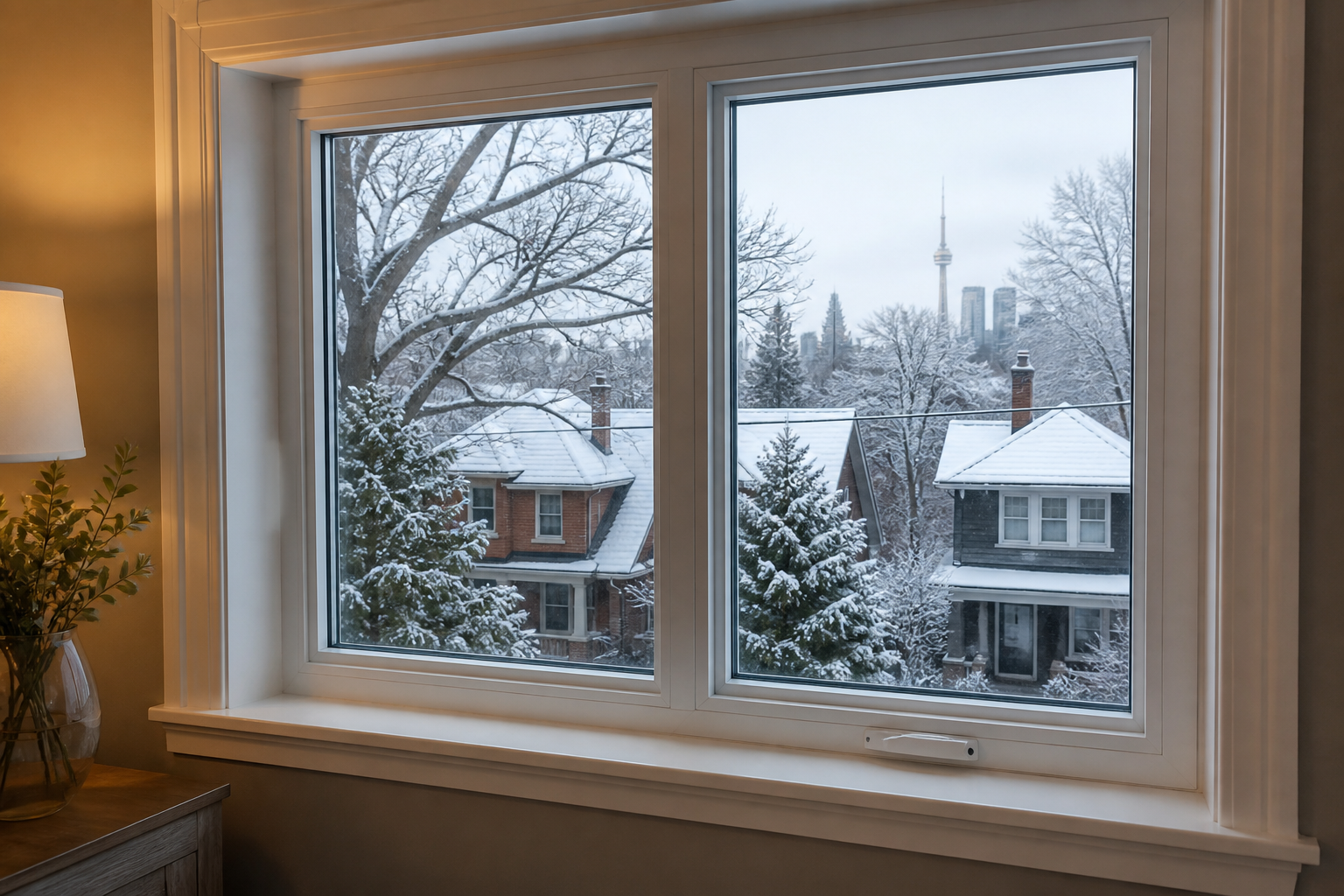
Toronto weather asks a lot from windows. Winter brings freezing temperatures, wind, and indoor-outdoor temperature differences that can expose air leaks fast. Summer adds strong sun, humidity, and air conditioning demands. In shoulder seasons, you might have cool nights, warm afternoons, and plenty of condensation questions.
Look for good thermal performance
A quality vinyl window should help limit heat loss in winter and unwanted heat gain in summer. That usually means paying attention to the full window system, not just the glass alone. Frame design, weatherstripping, spacers, and the way the sash seals all matter.
Think about sun exposure by room
South- and west-facing rooms can take the most summer sun. If a bedroom or family room gets hot every afternoon, your window choice should help with comfort, not just appearance. East-facing rooms may be bright in the morning but easier to manage later in the day. North-facing windows often get less direct sun but still need strong insulation for winter comfort.
Ventilation matters more than many homeowners expect
A sealed, efficient home still needs fresh air movement. Bedrooms, kitchens, and upper floors often benefit from operable windows placed where they can create a cross-breeze. In some homes, a mix of fixed and opening windows is the sweet spot: better views where you want them, airflow where you need it.
- Cold drafts near seating areas in winter
- Overheating in sun-exposed rooms in summer
- Condensation concerns in bathrooms and bedrooms
- Wind-driven rain on exposed sides of the house
- Road noise in busier Toronto neighbourhoods
What to Look For in a Vinyl Window
Not all vinyl windows are built the same. Homeowners often compare visible details like frame colour or grille style first, but the real long-term value is in the less obvious parts: the frame construction, hardware, seals, and how the unit is made to perform over time.
Frame strength and fit
The frame should feel solid and well-finished, with clean corners and smooth operation. A window that racks, sticks, or feels flimsy in the showroom won’t improve once it’s in your wall. Ask how the frame handles seasonal movement and whether the sash closes tightly and evenly.
Hardware you’ll actually enjoy using
This sounds small, but it matters every day. Cranks, locks, balances, and screens should operate smoothly. In family homes, ease of cleaning and simple operation can make one style a much better fit than another. If you prefer a straightforward design with no outward swing, slider windows are popular in many Toronto homes because they are simple to use and suit wide openings well.
Style that suits the house
A window should look like it belongs. A classic older home may suit proportioned hung windows, while a more contemporary renovation may lean toward cleaner sightlines. If you’re replacing all the windows at once, consistency from the street is worth thinking about. If you’re replacing them in phases, matching the existing look becomes more important.
A realistic balance of price and value
The cheapest quote is not always the most affordable in the long run. If lower pricing comes from weaker hardware, less careful installation, or details omitted from the scope, you may end up paying for comfort issues later. A better question than “What’s the lowest price?” is “What exactly is included, and how will this perform in my home?”
Matching Window Styles to Real-Life Use
Window style affects comfort more than many homeowners realize. The way a window opens changes how much air you get, how easy it is to reach, and whether the opening works well beside walkways, decks, landscaping, or interior furniture.
- Casement: great for airflow, often ideal in living areas and kitchens
- Awning: useful in basements, bathrooms, and places where ventilation during light rain is helpful
- Slider: practical for wider openings and easy everyday operation
- Hung: a familiar look that works well in many traditional homes
- Picture: best where view and natural light matter more than ventilation
- Bay or bow: adds dimension, light, and architectural interest
Many replacement projects use combinations rather than one style throughout the house. A front room might have a large fixed centre window with operable sides. A stair landing may need ventilation but limited projection. An older home with special shapes near the roofline may require custom-shaped windows to preserve the original character while upgrading performance.
Tip: Don’t choose a style only because it looks good from the driveway. The best window is one that suits how you live in the room every day.
What a Quality Installation Should Include
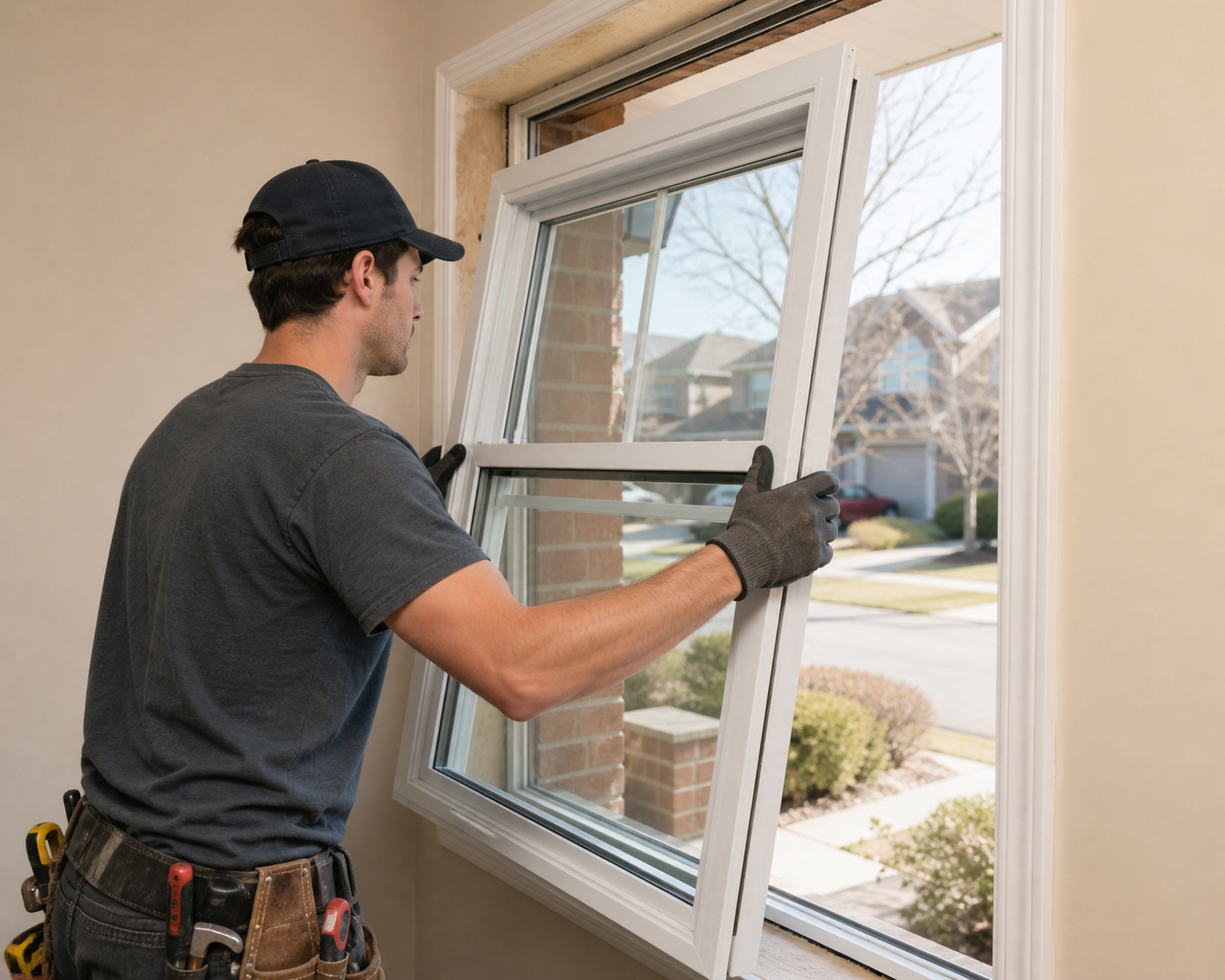
Even a good vinyl window can disappoint if it’s installed poorly. In Toronto-area homes, openings are not always perfectly square, older trim can hide surprises, and previous water entry may only become visible once the old window comes out. Installation is where product quality and workmanship meet.
Careful measuring and the right replacement approach
A proper install starts before installation day. The window needs to be measured accurately for the opening and the replacement method should make sense for the condition of the existing frame and surrounding materials. Rushing this stage is one of the easiest ways to create future air or water issues.
Attention to insulation and sealing
A quality installer should make sure the gap between the new window and the rough opening is insulated and sealed correctly. This helps reduce drafts, supports energy performance, and limits the chance of moisture problems. Inside and outside finishing should look clean, but appearance alone is not enough; the hidden details matter just as much.
Exterior caulking and water management
Ontario homes see freeze-thaw cycles, wind-driven rain, and slushy buildup near sills. Exterior sealing should be neat and appropriate for our climate, with attention paid to drainage and water shedding. A tidy bead of caulking is nice, but what you really want is an installation that manages water properly year after year.
Clean finishing and a proper walkthrough
When the work is done, the windows should operate smoothly, lock properly, and look finished inside and out. You should be shown how each one works, how to remove or clean screens if applicable, and what to expect in normal seasonal conditions. If you’re comparing companies in Toronto and the GTA, it’s worth asking who handles the installation, what is included in the finishing, and how any post-installation questions are handled.
Questions to Ask Before You Sign
A good quote should leave you with fewer questions, not more. Whether you’re replacing a few drafty units or planning a full-home project, asking the right things up front can help you avoid surprises.
- Which window style is being recommended for each room, and why?
- What finishing work is included inside and outside?
- How will the installer handle existing trim, brick mould, or older openings?
- What should I expect for timeline, disruption, and cleanup?
- Who do I contact if I have questions after the installation?
The goal isn’t to become a window expert overnight. It’s simply to choose a product and installer that make sense for your home, your neighbourhood, and Toronto’s climate. If you’d like a second opinion on options for your space, you can reach out through the contact page for a no-pressure conversation.
For many homeowners, the best result comes from balancing performance, appearance, and workmanship rather than chasing one feature in isolation. When those three line up, new vinyl windows can make a home feel quieter, more comfortable, and easier to live in through every Ontario season.