A couple in Aurora once asked me for a quote on vinyl windows, then called back the next day and said, “Wait — should we be getting uPVC instead?” They thought vinyl was the cheaper version and uPVC was the good stuff. That mix-up happens more than you’d think.
Here’s the short answer: in most Canadian window conversations, uPVC vs vinyl windows is mostly a wording problem, not a different-product problem. The frame material is usually the same family of plastic. What changes the quality is how the window is built, reinforced, sealed, and installed — which matters a lot more in an Ontario January than the label on the brochure.
Why this trips people up
People often ask us, “Is uPVC better than vinyl?” Fair question. The word uPVC means unplasticized polyvinyl chloride — in plain English, a rigid form of PVC used for window frames. In everyday North American talk, most companies just say vinyl. So yes, the upvc vs vinyl windows debate is often two names for almost the same frame material.
But there’s a catch. Some sellers use uPVC to sound more premium, as if it’s automatically stronger or more energy efficient. It isn’t. A weakly built frame made from the same base material is still a weakly built frame. I’ve seen bargain units look fine in October, then bow a bit or leak air around the sash after a rough winter with freeze-thaw swings and lake-effect wind.
Tip: Don’t stop at the material name. Ask what’s inside the frame, how many air chambers it has, what the weatherstripping is like, and what glass package is included. That tells you more than “uPVC” ever will.
Vinyl windows: what you’re usually buying
If you shop for windows in Toronto, Newmarket, or Barrie, most of the replacement windows you’ll see are vinyl. And for good reason. Vinyl handles moisture well, doesn’t rot, doesn’t need scraping and repainting, and it insulates better than old aluminum frames. For our climate, that’s a solid fit.
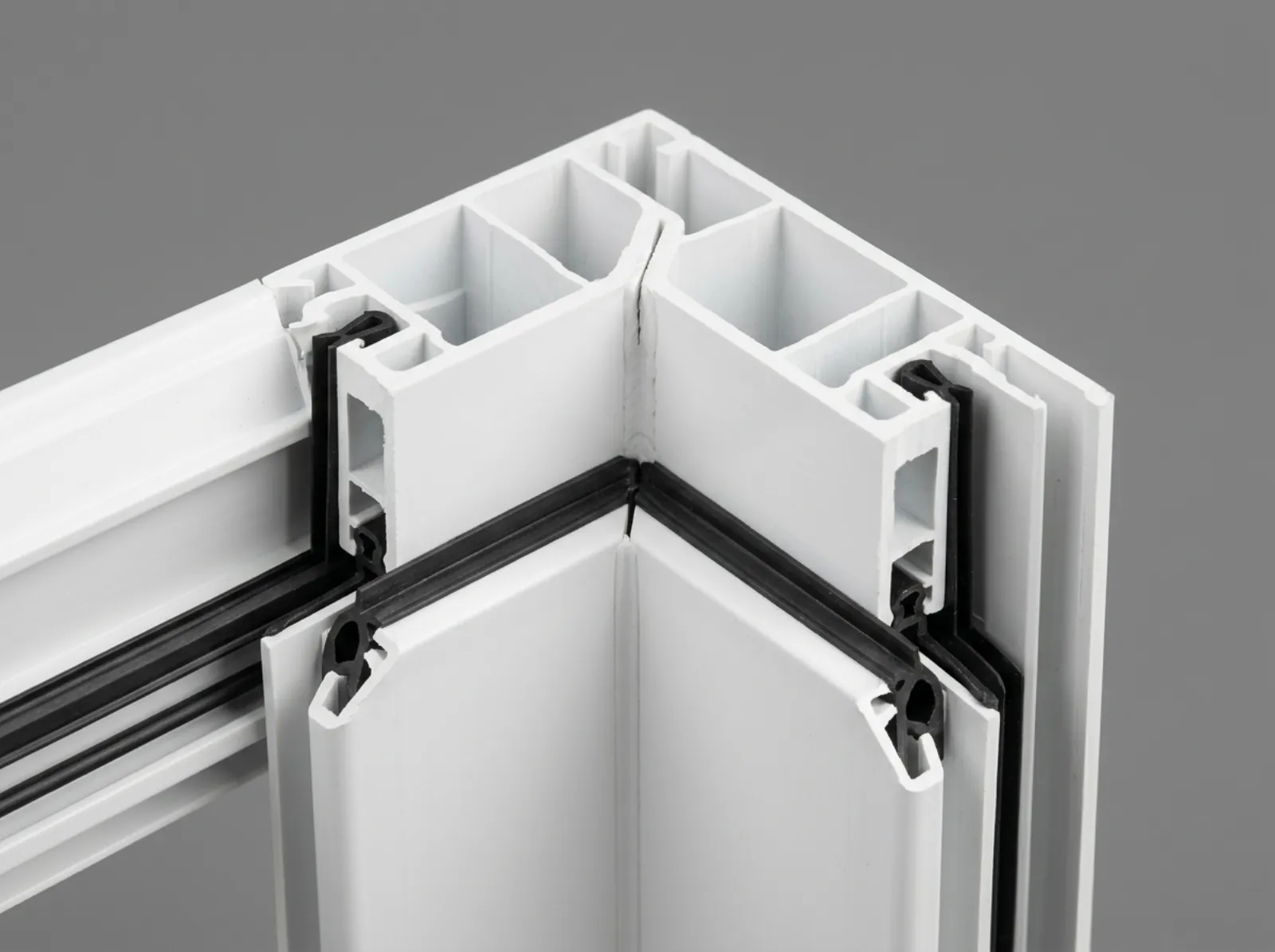
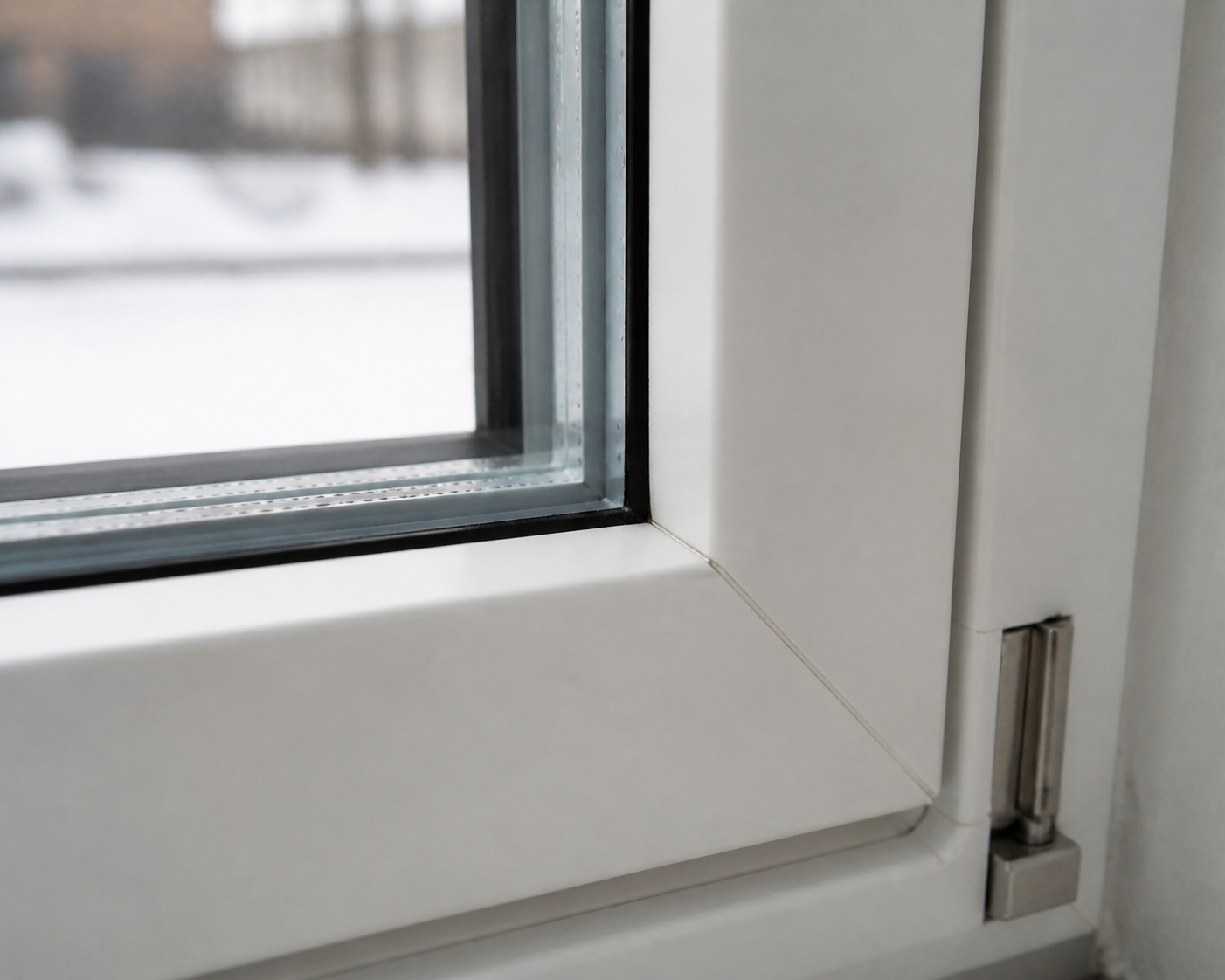
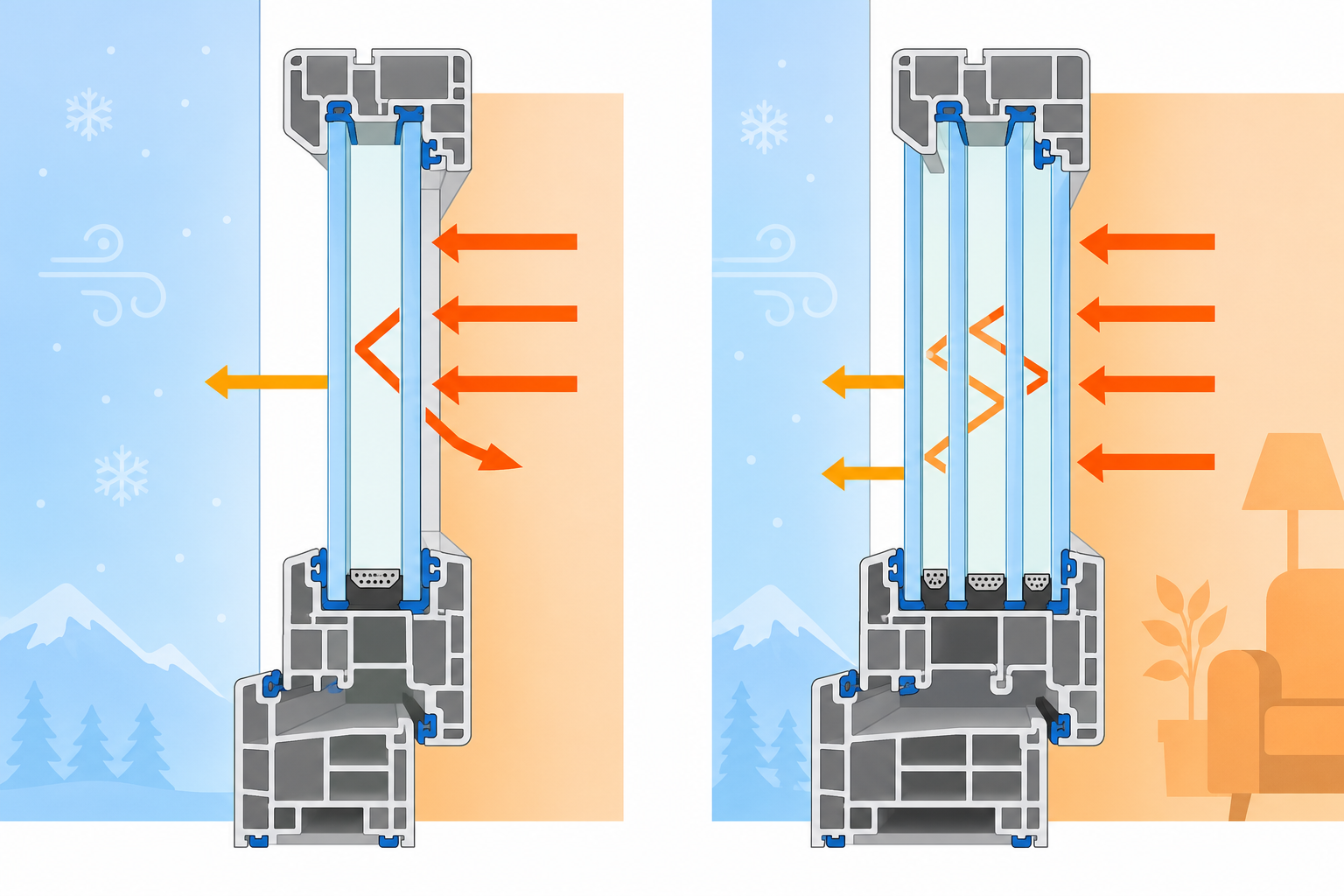
The good vinyl windows do a few things right. The frame has multiple hollow pockets inside it — those are the chambers. They slow heat transfer. The corners are heat-welded, not screwed together like a science project. The moving parts seal tightly. And the glass unit usually includes the gas between the panes, called argon, plus the coating that reflects heat, called Low-E.
The weak side? Vinyl isn’t magic. On a giant dark-coloured window facing hard afternoon sun, cheaper vinyl can expand and move more than better-built products. And on extra-large openings, the frame design matters a lot. That’s one reason we look carefully at size and style before recommending casement windows or sliders. Same material, different performance.
- Best strengths: low upkeep, good insulation, fair price range, no rot
- Main weakness: quality varies a lot from one manufacturer to another
- What matters most: frame thickness, reinforcement, seals, glass, and installation
uPVC windows: what’s different, if anything
Honestly? In most cases, not much. In Canada, uPVC windows are usually still vinyl windows by another name. The “u” just points to the rigid version used for frames. That’s standard for modern windows anyway. You’re not choosing between floppy plastic and strong plastic on a normal quote sheet.
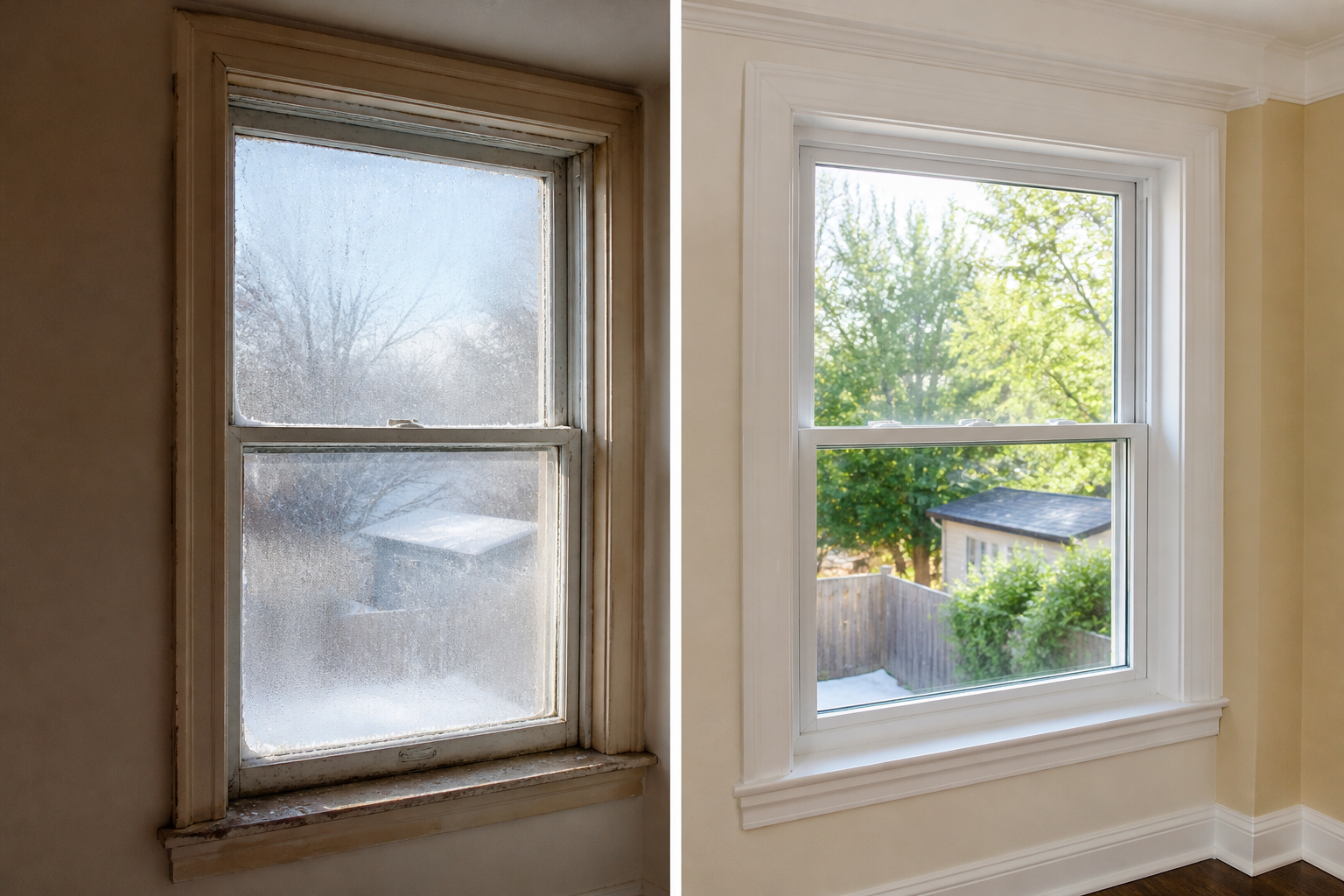
Where the term can matter is product origin and marketing. In some UK and European materials, uPVC is the normal term, so buyers here see it online and assume it’s a different class of product. Sometimes imported systems do have different profile designs, hardware, or reinforcement methods. But again, that’s about the system design, not the word itself.
A while back we looked at a home near Leslieville where the owner had been promised “premium uPVC.” Nice phrase. The actual issue? The frame was okay, but the installation foam was sloppy, the exterior capping was rushed, and one unit was slightly out of square. The window label didn’t cause the draft. The workmanship did. That call cost the owner time and money they thought they were saving.
uPVC vs vinyl windows side by side
| Factor | uPVC | Vinyl |
|---|---|---|
| Cost | Usually similar | Usually similar |
| Energy efficiency | Depends on build | Depends on build |
| Noise control | Glass matters more | Glass matters more |
| Maintenance | Low | Low |
| Lifespan | Often 20+ years | Often 20+ years |
| Best use | Any home, if well made | Any home, if well made |
That table looks almost boring. Good. It should. The big takeaway in the upvc vs vinyl windows question is that the performance gap usually comes from everything around the material: frame design, glass package, spacer, hardware, and installation quality.
What you should check instead of the label
If you’re replacing windows in Ontario, focus on what changes your comfort in February and your cooling bill in July. Not the buzzword.
- How airtight is the operable sash? Drafts often start there.
- What glass are you getting — double pane or triple pane, and in which rooms?
- Is there a warm-edge spacer at the glass edge to help cut condensation?
- Does the frame feel sturdy on larger openings, especially wide sliders?
- Who’s installing it, and how are they sealing the opening?
Noise is a good example. Buyers sometimes assume uPVC will be quieter than vinyl. Not on its own. Street noise on a busy road in Scarborough or near Yonge usually comes down more to the insulated glass unit, glass thickness, and seal quality than the fact that the frame was called one thing or the other.
Same with energy savings. A well-made vinyl window with good double pane glass can outperform a poorly built so-called uPVC window. If your place gets hammered by wind off open land north of Newmarket or by winter gusts up in Simcoe County, air leakage numbers and installation details matter more than label language. If you’re comparing options in our Toronto & the GTA service area, that’s where I’d spend my questions.
So which should you pick?
Pick the better-built window. That’s the verdict.
If one quote says vinyl and another says uPVC, don’t assume you’re comparing cheap versus premium. You may be comparing the same basic material dressed up with different wording. Ask for the full specs. Ask how the frame is built. Ask what glass package is included. Ask how the install is done. If a company gets slippery there, that tells you plenty.
And yes, it depends on your home. A 1960s bungalow in East York with average-sized openings has different needs than a newer place with oversized back windows in Bradford. One might be fine with a solid double-pane unit. The other may need stronger frame design or triple pane in key spots. That’s a house-by-house call, not a buzzword contest.
If you want a plain-English second opinion, send us photos through our contact page. I’d rather you ask the slightly awkward question now than find out after installation that the fancy term on the quote didn’t keep the January draft out.