A couple in Riverdale once pointed at the little window above their front door and asked me, half joking, “Is that just old-house decoration, or does it do something?” Fair question. A lot of people have a transom window and don’t know its name, never mind why it’s there.
So, what is a transom window? It’s the window that sits above a door or above another window. Small spot. Big job. It can bring in light, add height, help with airflow in some cases, and make a plain wall feel less boxy. The part most people get wrong comes later: fixed versus operable. That choice matters more than the style itself.
What is a transom window, in plain English?
The simple answer: it’s a window above something else, usually a door. Sometimes it sits above a big main window. Sometimes above patio doors. You’ve seen them in old Toronto semis, newer Vaughan entries, and lake-area homes up toward Innisfil where people want more light without giving up wall space.
The horizontal beam that used to separate the door from the space above it was called the transom. The window placed there became the transom window. That old structural piece is where the name comes from. Handy little bit of history, and now you can win one tiny argument at Thanksgiving.
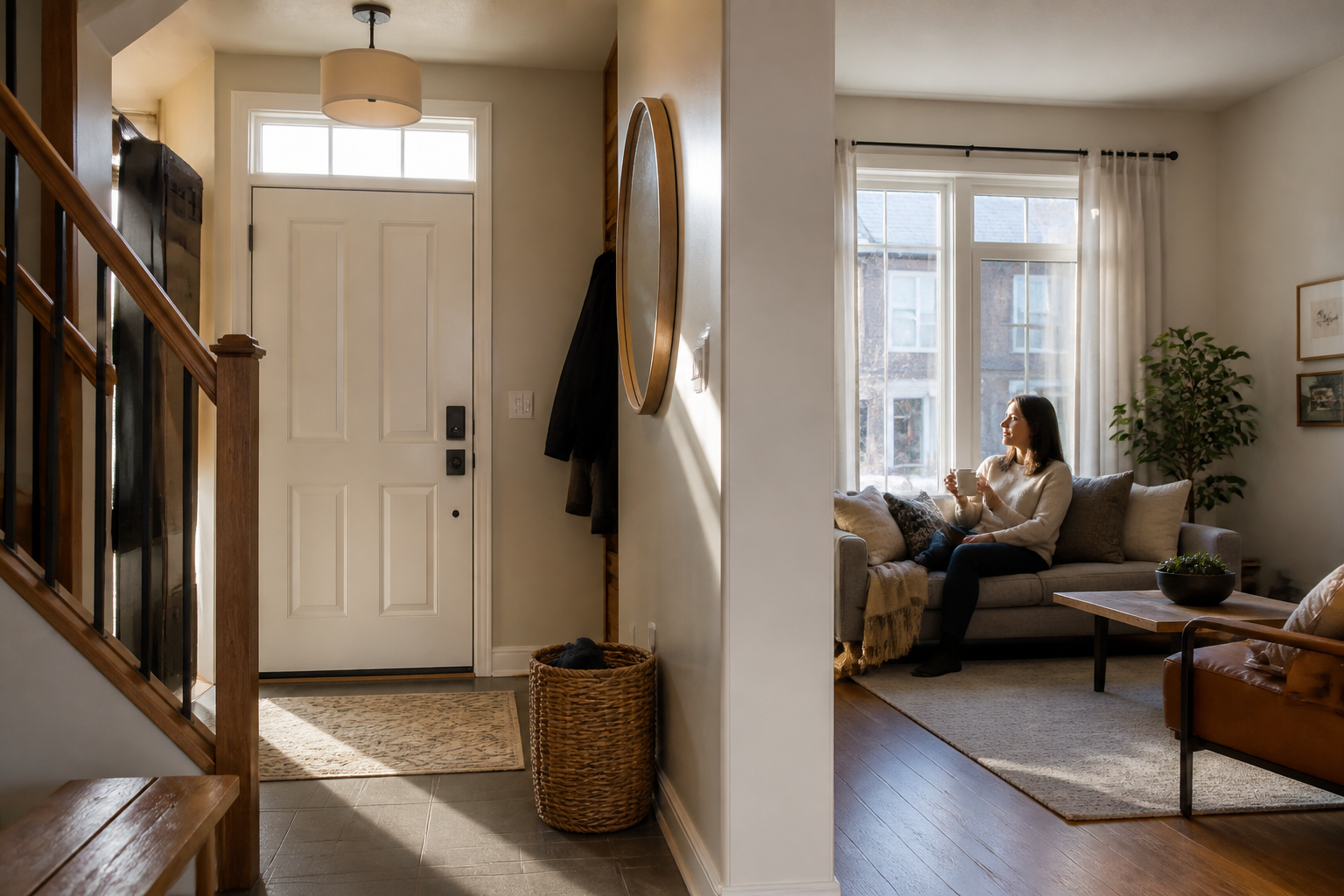
Here’s why people still use them: they let daylight reach deeper into a hall, foyer, stair landing, or living room. Think of it like borrowing light from the top of the wall, where furniture can’t block it and privacy is easier to keep.
Why they exist: old idea, still useful
Long before central air and bright LED bulbs, houses needed two things: airflow and daylight. Operable transoms — the kind that open — helped hot air move out of rooms. In old buildings, especially taller ones, they were a simple way to get cross-ventilation without opening the main door.
That’s still true in a basic way. Warm air rises. So a small opening up high can help air move, especially in spring and fall. The proper term is ventilation, of course, but the plain-English version is this: high windows can let a stuffy space breathe.
Today, though, most transom windows in Ontario are about light and looks more than airflow. That’s not a bad thing. In a narrow front hall in East York, or a dark stairwell in an older Newmarket home, extra daylight from up high can change how the whole area feels without making the room larger.
Where transom windows go — and where they make the most sense
Above the front door is the classic spot. But it’s not the only one. We also see transoms above large fixed windows, above patio doors, and sometimes above combinations of casement windows or other operating units when the wall is tall.
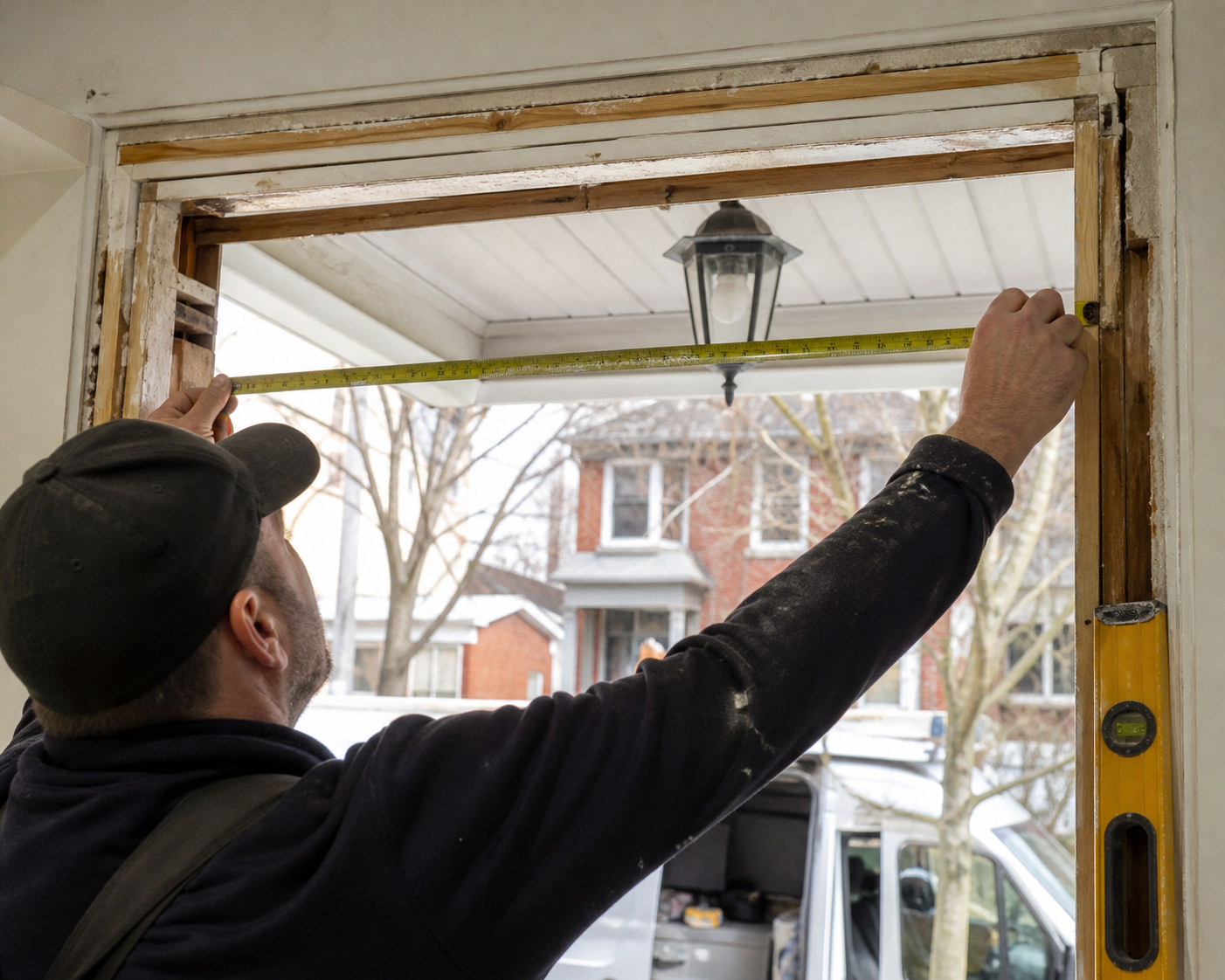
- Above a front entry door to brighten a foyer
- Above patio or garden doors to pull light farther into the room
- Above a large living room window where the ceiling height would otherwise feel wasted
- Over stair landings or halls where wall space is tight
- In older homes where you want a period look without going full museum-piece
There’s a practical side here. In many GTA homes, especially detached houses from the 1980s to early 2000s, you’ll get a two-storey foyer with one decent window and a lot of shadow. A transom above the door can fix that better than brighter bulbs ever will. And during our grey February stretches, daylight matters more than people think.
But not every wall needs one. If the room already has lots of glass, adding a transom can tip from elegant to busy. I’d rather talk you out of one than leave you with a front elevation that looks like it tried too hard.
Fixed vs operable: the choice most people get wrong
This is the big one. A fixed transom stays shut. An operable transom opens. That sounds obvious, but the right choice depends on access, cleaning, energy performance, and how you’ll use the space ten years from now — not just how it looks on install day.
Fixed transom windows
Fixed is the common choice now. It’s simpler. Usually less fuss. Fewer moving parts means fewer things to adjust later. It’s also easier to seal tightly against winter drafts. If your main goal is more light above a door or above a picture window, fixed is often the smart answer.
Operable transom windows
Operable transoms can open by hinge, latch, or a small mechanism, depending on the design. They’re useful if the space gets stale or hot, especially in shoulder seasons when you don’t want the AC on. But here’s the catch: if it’s way up over a front door in a two-storey foyer, how are you opening it? And cleaning it? If the honest answer is “probably never,” that tells you something.
Useful tip: if the transom is more than about 8 feet off the floor and there’s no easy, safe access, fixed usually makes more sense. Operable sounds nice until you remember ladders exist.
I remember a job in Aurora where a family wanted operable transoms above the entry because they liked the old-house idea. Beautiful thought. Less beautiful in practice. The windows were high, the opening hardware would have been awkward, and their main issue was darkness, not stale air. We went fixed. They got the light they wanted and skipped a feature they would’ve used twice.
How a transom adds light without making you feel exposed
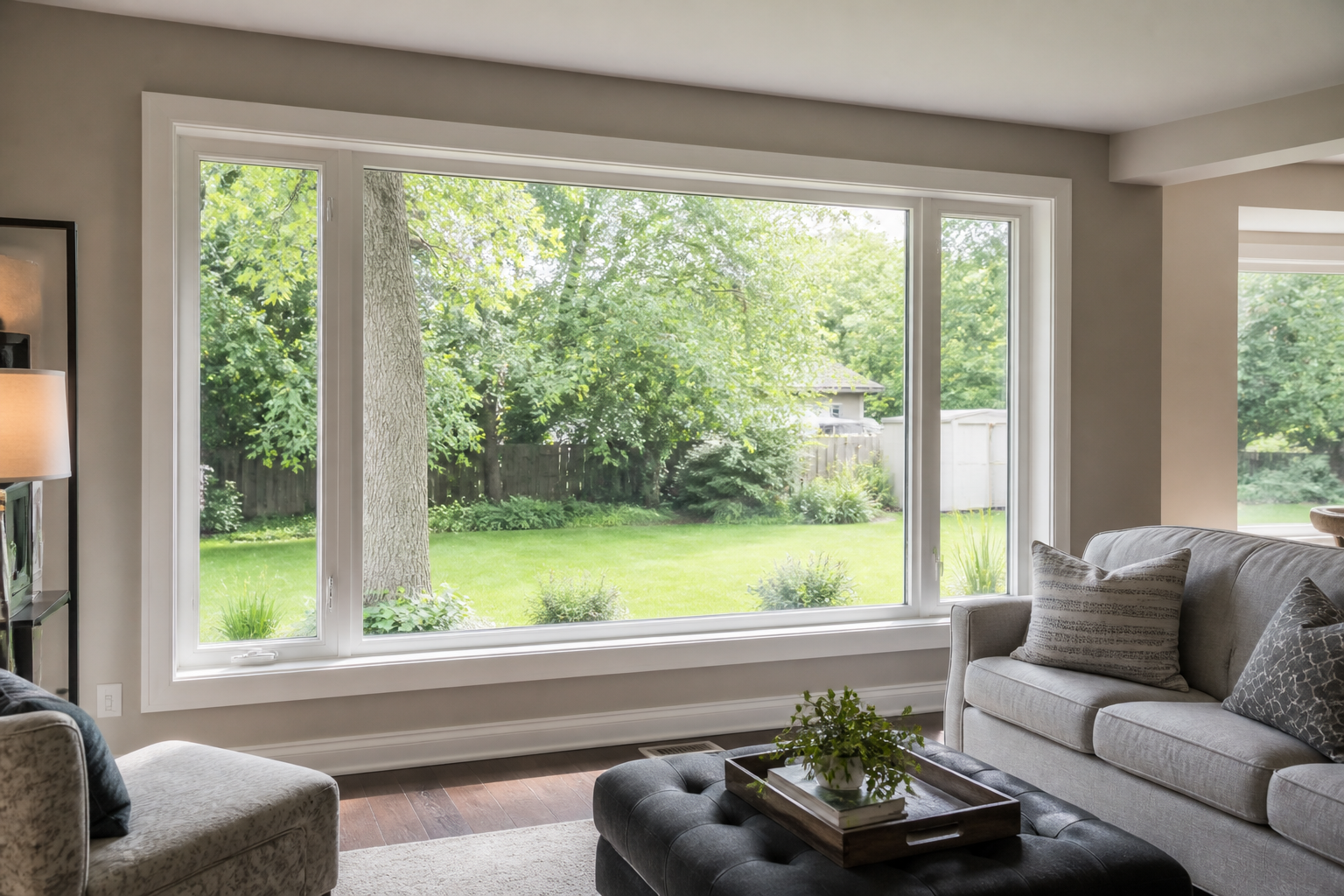
This is the real payoff. A transom window grabs light from the top of the wall, where the sky is, and sends it farther into the room. Because it’s high up, people outside aren’t looking straight through it the way they would with a full-height sidelight or a larger main window.
That matters on tight city lots. In parts of Toronto, houses can be close enough that you learn your neighbour’s barbecue schedule against your will. A transom can brighten the entry or living area without giving up as much privacy.
Glass choice matters here too. Clear glass gives the cleanest look and the most open feel. Frosted or textured glass can add privacy if the transom is over a door facing a busy street. And if the window gets strong sun, you may want the coating that reflects heat — that’s Low-E glass — so the space doesn’t bake in July.
Shape, size, and style: where people overdo it
A transom can be a simple rectangle. It can also be arched, curved, or part of a more custom layout. Older homes often suit divided-lite looks — smaller panes separated by bars — while newer homes usually look better with cleaner glass and fewer lines.
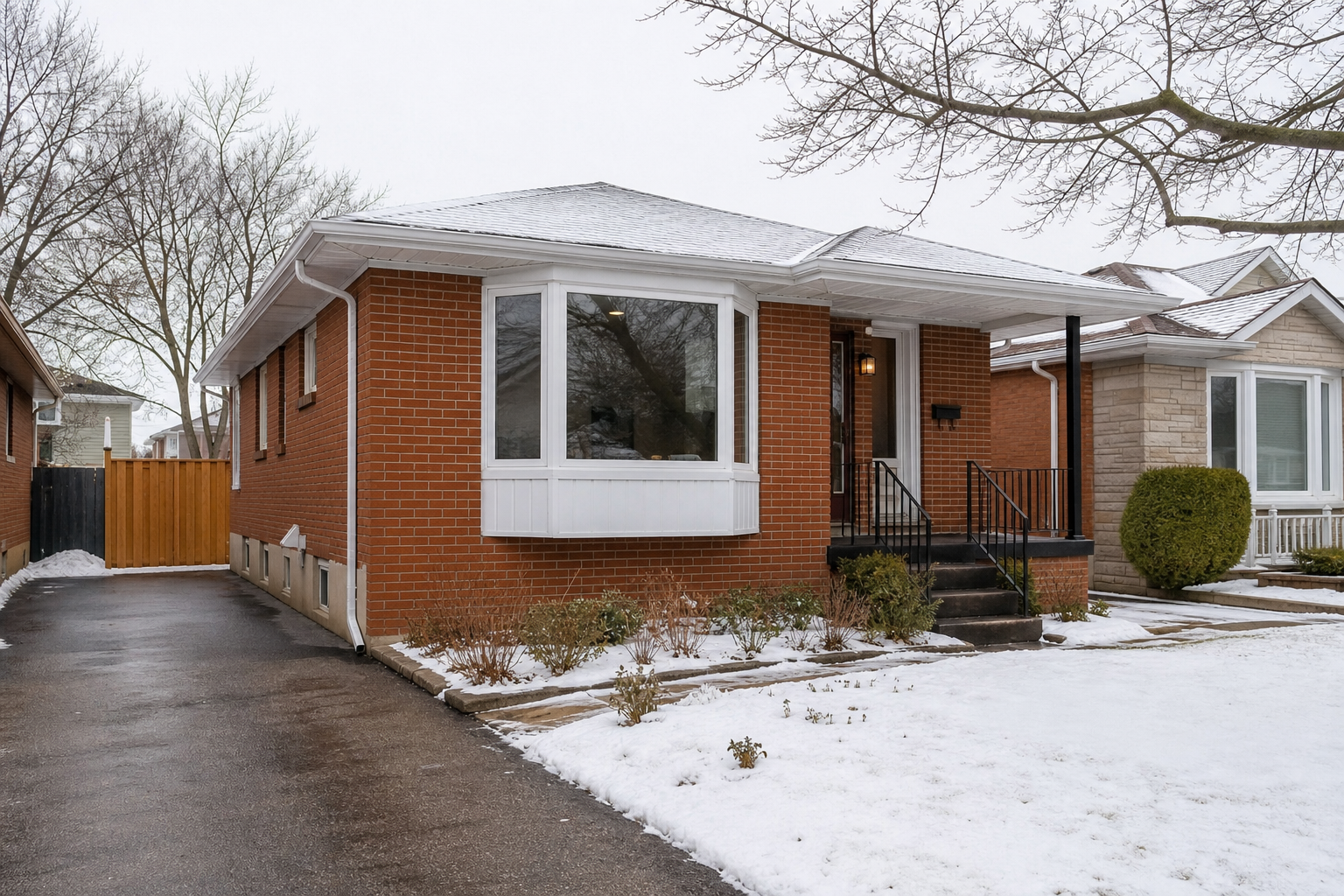
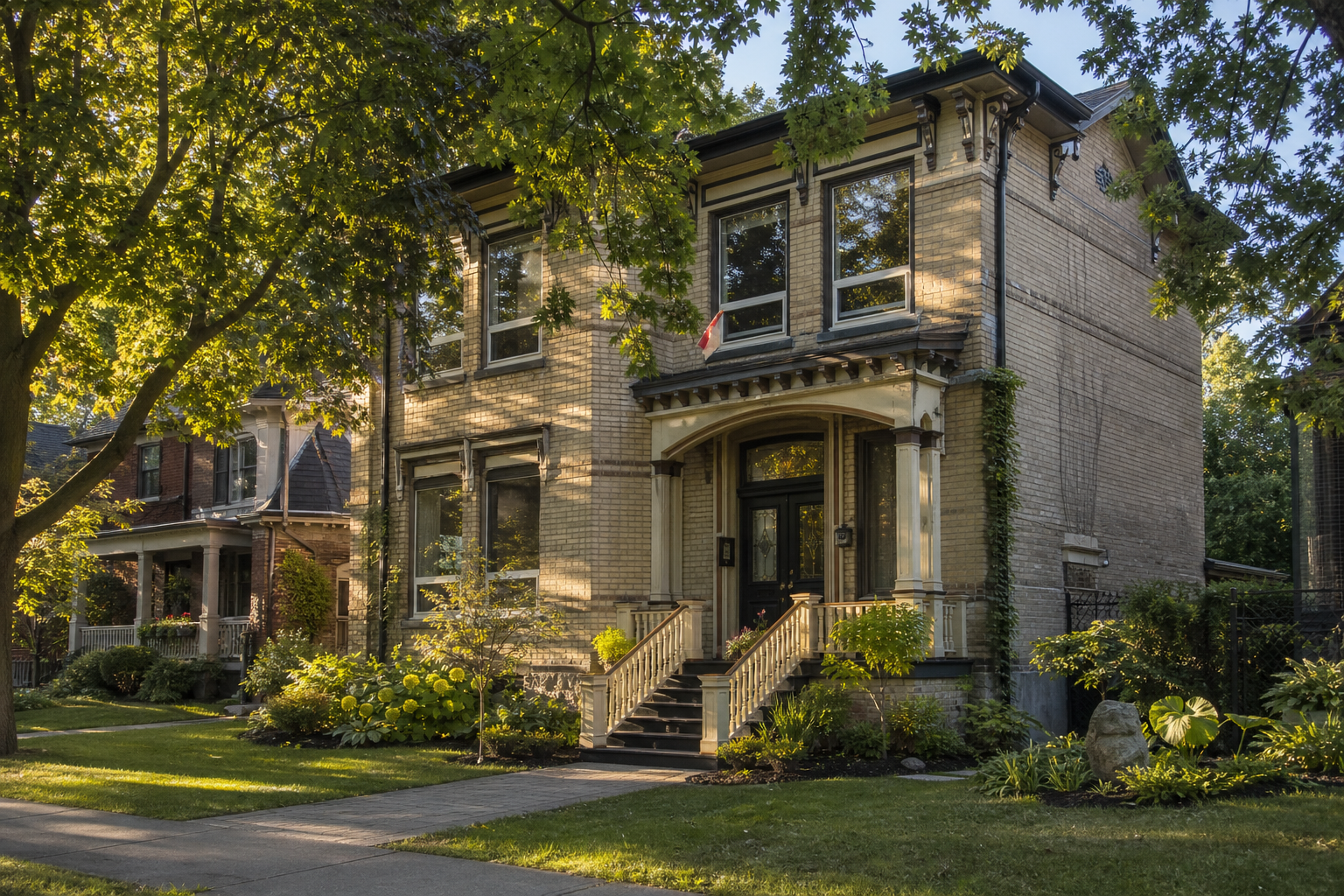
My general rule? Match the home first, your Pinterest board second. On a Leaside brick house with classic trim, a softly arched transom can look right at home. On a modern black-and-white build in King City, a crisp rectangular transom often fits better.
If you’re dealing with unusual sizes or shapes, that moves into custom-shaped windows. They can look fantastic. They also need careful measuring and proportioning so the top window doesn’t look like an afterthought perched over the main one.
Ontario climate stuff you shouldn’t ignore
A transom window still has to perform like a window. That means decent insulation, a solid frame, and proper installation. In Ontario, a bad install shows itself fast: cold drafts in January, condensation trouble during temperature swings, and water issues after driving rain or an ice storm.
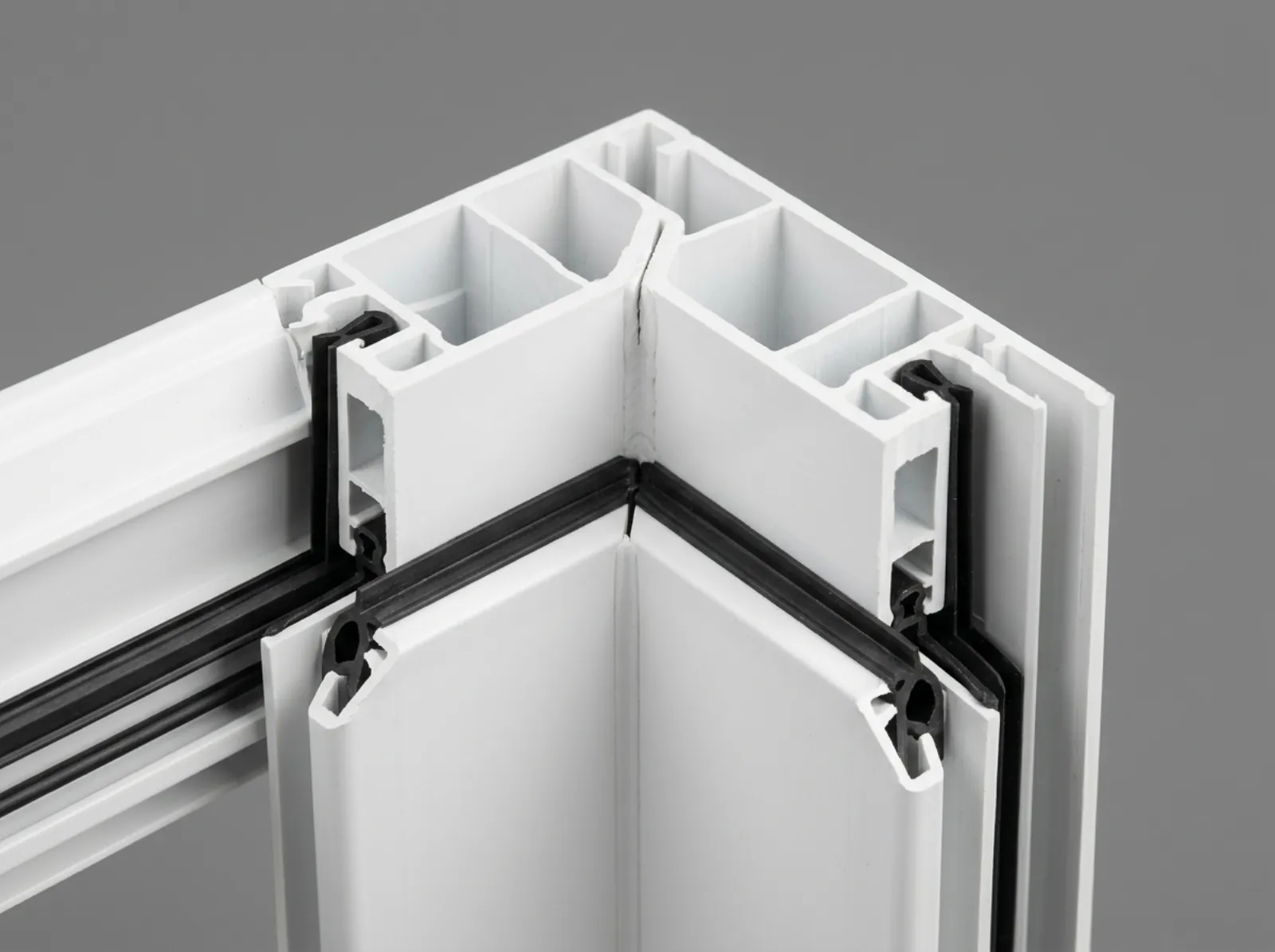
Because transoms are often high and close to trim details, the fit matters. The frame, flashing, and sealing all have to be done right. The plain-English term is stopping water and air from sneaking in. The trade term is the building envelope. Same idea. If that part is sloppy, the pretty little window becomes an annoying little problem.
This is also where vinyl makes sense for a lot of homes around Toronto and the GTA. It handles our freeze-thaw cycles well, doesn’t need painting, and works nicely for fixed transoms where you want low maintenance. Not glamorous. Just sensible.
When a transom is worth it — and when I’d skip it
I like transom windows when they solve a real problem. A dark front hall. A tall wall that feels blank. A patio door area that needs more sky light. A design that needs a bit of vertical lift. In those cases, they earn their keep.
I’d skip one if it’s being added only because the space feels “missing something” and no one can say what. I’d also be careful if the wall already has plenty going on — sidelights, decorative glass, heavy trim, maybe a big overhang. More glass is not always better. Sometimes restraint is the expensive-looking choice.
- Worth it if your entry or hall feels dark during the day
- Worth it if you have tall ceilings and the windows look undersized
- Worth it if you want light without a big privacy trade-off
- Maybe not worth it if you’ll never open the operable version
- Maybe not worth it if it makes the front of the house look crowded
The best way to think about a transom window
Don’t think of it as a little bonus window. Think of it as a tool for borrowing light and finishing the proportions of a wall. That mindset helps you decide faster. If it improves light, balance, or airflow in a way you’ll notice every day, good. If it’s just decorative filler, maybe keep your money.
And if you’re staring at an entry or living room wall wondering what would make it feel less dim and more finished, that’s the kind of question we help with all the time. You can contact us and send a photo or rough opening size. Sometimes the answer is a transom. Sometimes it isn’t. I’m fine with either, as long as it makes sense once the snow starts blowing sideways.