
The call usually comes in January. You're standing beside a window in socks, there's a cold draft on your ankle, and now you're wondering the question most people ask too late: what is the best time of year to replace windows?
Here's the honest answer. There isn't one perfect season for every house. In Ontario, the best timing depends on two things more than anything else: how bad your current windows are, and how far ahead you're willing to plan. Weather matters, yes. But lead times matter just as much.
I've been doing this long enough to tell you the expensive mistake is waiting for the season you *think* is best, then finding out the windows won't be ready until the weather changes again. So let's go season by season, with the real pros, the annoyances, and the planning that saves headaches.
The short answer: the best season is the one you book early enough
If you want the simplest takeaway, here it is: for most Ontario homes, early fall and late spring are the nicest install conditions, but the best time of year to replace windows is often the season before you think you need them.
Custom windows are not sitting on a shelf waiting for your house number. They get made to fit your openings. That means there is almost always a wait between measuring and installation. Sometimes modest. Sometimes longer during busy stretches.
So if your windows are fogged up between the panes, hard to open, or letting in drafts during a February cold snap, booking in October would have been nicer. Not because winter installs can't be done. They can. But because planning beats scrambling.
Tip: If you want new windows before winter, start getting quotes by late summer or early fall. If you want them for summer comfort, start in late winter or early spring.
Spring: great weather, busy schedules
Spring is the season people feel their house again. The snow is gone. You open a window and realize it barely budges. Or the wood trim looks tired. Or you remember how much the furnace ran all winter.
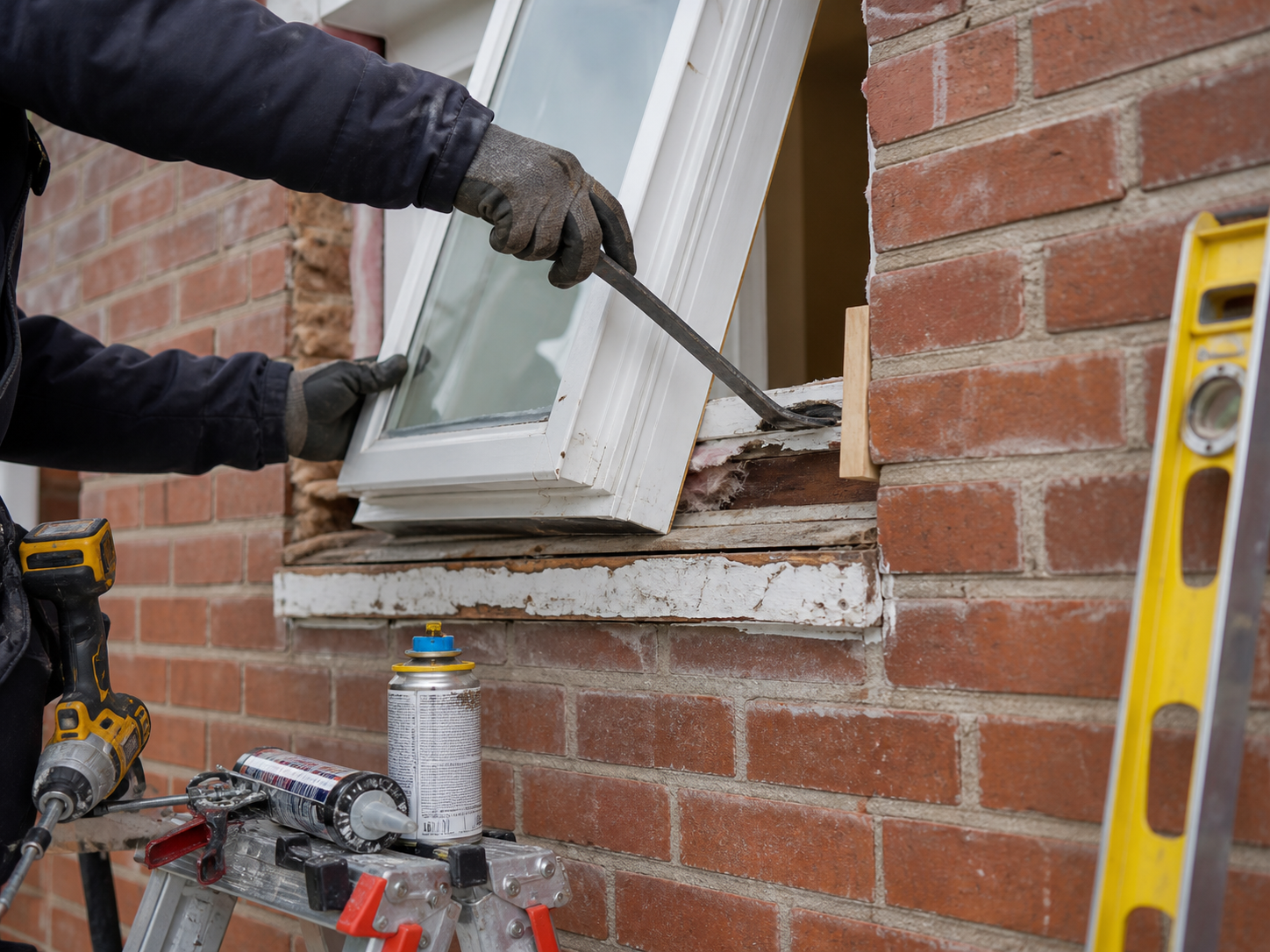
From an install point of view, spring is solid. Temperatures are moderate. Sealants and insulating foam behave well. That's the expanding foam and caulking we use to air-seal the opening after the old unit comes out. You don't have the deep freeze fighting you, and you usually don't have the July humidity either.
The downside? Everybody else had the same idea. Spring often fills up fast, especially in places like Newmarket, Aurora, and north Toronto where people start home projects the minute the slush disappears. If you call in April wanting a full-house install by May long weekend, maybe. Maybe not.
I remember a job in Leslieville where a couple waited for "proper weather" after a rough winter. Fair enough. But by the time they were ready, the product lead time pushed the install into early summer, right into one of those sticky June heat waves. Not a disaster. Just not what they pictured.
Spring is often a smart time if your windows are uncomfortable but not failing in an urgent way. It also gives you time to think about style. If you're still deciding between casement windows and sliders, spring is a good planning window too. Pun fully intended.
Summer: easiest on the household, not always the quickest to book
People assume summer is automatically the best time of year to replace windows. I get why. No snow. Long days. Kids may be out of school. You won't freeze while an opening is exposed for a short stretch.
Typical Window Project Planning Ease by Season
And yes, summer is convenient. Install days are easier to schedule. We have more daylight. If you're replacing many windows, that extra daylight helps the crew move smoothly. For you, it usually means less disruption.
But summer has its own trade-offs. Hot sun can make certain rooms unpleasant while we work. Thunderstorms can roll in fast. And summer can still be a busy season because people tie window projects to other exterior work.
There's also the comfort issue you don't think about until after. If your current windows leak cool air in summer, especially on west-facing rooms that bake in the afternoon, waiting until August can mean another season of overworking your AC. In ranch bungalows around Scarborough and split-levels in Richmond Hill, we see this a lot.
- Best for: larger projects, easier family scheduling, dry install days
- Watch for: longer booking queues and hot rooms during install
- Good move if: you planned ahead in spring
Fall: my favourite time, if you can get on the schedule
Honestly, fall is my favourite season for window replacement in Ontario. September through early November often gives you the best mix of cool air, manageable weather, and practical payoff before winter hits.
This is when the benefit feels immediate. If your old windows are drafty, loose, or have failed seals, you'll notice the difference as soon as the nights turn cold. The house feels steadier. Less of that chilly wash near the glass. Fewer fights over the thermostat.
The catch is simple: you're not the only one thinking ahead. Fall books fast because people want the job done before the first serious cold snap, and in Ontario that can arrive early. I've seen late October feel mild one year and like November's angry cousin the next.
If you're in an older area with unpredictable openings, say a mid-century home in East York or an older place up in Barrie, give yourself extra planning room. Custom sizing, trim details, and the odd surprise behind old frames can add time.
If you're in Barrie or Simcoe County, especially, I wouldn't leave fall booking to the last minute. Weather turns quicker up there than it does downtown Toronto.
Winter: not ideal on paper, but often better than waiting
Now the question people whisper like they're asking something risky: can you replace windows in winter? Yes. We do it every year.
A proper winter install is controlled and fast. We don't remove every window in the house and leave you to reenact a snow globe. Openings are done one at a time. The house is exposed only briefly. It's more like swapping a door than leaving a wall missing.
Winter has some perks. Schedules can open up after the fall rush. Draft problems are easy to identify. And if your current windows are actively causing discomfort or moisture issues, waiting until spring may cost you four or five more months of annoyance and higher heating use.
But let's not pretend it's perfect. Extreme cold can limit which days make sense. Ice, wind, and storms can force rescheduling. Crews work carefully, but winter is less forgiving. One job in Newmarket a few years back got bumped because freezing rain turned every ladder and walkway into a bad idea. Frustrating? Yes. Safer? Also yes.
So, is winter the best time of year to replace windows? Usually not for comfort during the job. But if your windows are failing now, winter replacement is often smarter than suffering through until April. That's the part many articles skip.
Lead times matter more than the weather forecast
This is the part people underestimate. The install day is only the end of the story. First comes measuring, ordering, manufacturing, then scheduling. If you wait for the "perfect month," you may miss the season you wanted.
I tell people to think of window replacement like winter tires. The best time isn't the day after the first snowstorm. It's before everyone else rushes in.
Lead times change through the year, and they can shift with demand, supply, and custom details. Specialty shapes, larger openings, and whole-home projects tend to need more planning than a straightforward bedroom window.
If your project is tied to another renovation, or you're hoping to match a certain timeline before guests, a sale, or a baby arrives, build in cushion. Houses don't care about your calendar nearly as much as they should.
How to choose your timing without overthinking it
If your windows are merely old, plan around the season you want to benefit from next. If your windows are leaking air, sticking, or showing moisture between panes, move sooner.

- Want comfort before winter? Start the process by late summer.
- Want relief before humid summer heat? Start in late winter or early spring.
- Need the least disruptive install days? Aim for mild spring or fall weather.
- Have urgent drafts, rot, or hard-to-open units? Don't wait for the "perfect" season.
And if you're still sorting out what type of window fits each room, it helps to decide that early. A kitchen over the sink might suit awning windows, while a front room may be more about fixed glass and light. The style question can affect ordering and timing.
If you're not sure where your house falls, send photos and a rough wish list through our contact page. That's usually enough to tell if you're planning well or cutting it close.
One honest final thought
The best time of year to replace windows is rarely about chasing perfect weather. It's about avoiding the season when your old windows finally force the decision for you.
If your house is already giving you hints — cold spots, condensation between panes, that one stubborn sash that needs a shoulder-check to close — I'd listen now, while you still get to choose the timing.