I’ve had people in Toronto, Newmarket, and Barrie say the same thing on quote visits: “Full-frame is the proper way, right?” And sometimes, yes. Sometimes it’s money tossed at the wrong problem.
Here’s the thing with retrofit vs full frame windows: one option keeps more of your old window than most people realize, and the other opens up the wall enough to find trouble you can’t see yet. That choice affects cost, how long the job lasts, and whether you’re fixing a draft or just dressing it up.
Why this choice matters more than the sales pitch
The core idea is simple: pick the method that matches the condition of the existing frame, not the method that sounds more “premium.” If your old frame is solid, square, and dry, a retrofit window can be a smart, clean fix. If the frame or sill has rot, shifting, old water damage, or ugly surprises under the trim, full-frame is usually the better call.
I’m a bit contrarian on this. A lot of window advice online acts like full-frame is automatically best. I don’t buy that. On a well-kept 1990s house in Aurora or a brick bungalow in Scarborough with solid wood jambs, I’d rather save you the extra tear-out cost if there’s no good reason to do it.
But on an older place with soft sills, sloppy old aluminum capping, or years of caulk layered like archaeology? Different story. We did a job near East Gwillimbury where the homeowner wanted inserts only. Once we checked the bottom of one front bedroom opening, the wood was punky and damp. A retrofit would’ve hidden it nicely for a while. That’s not a win.
Retrofit windows: what stays, what goes, and when they make sense
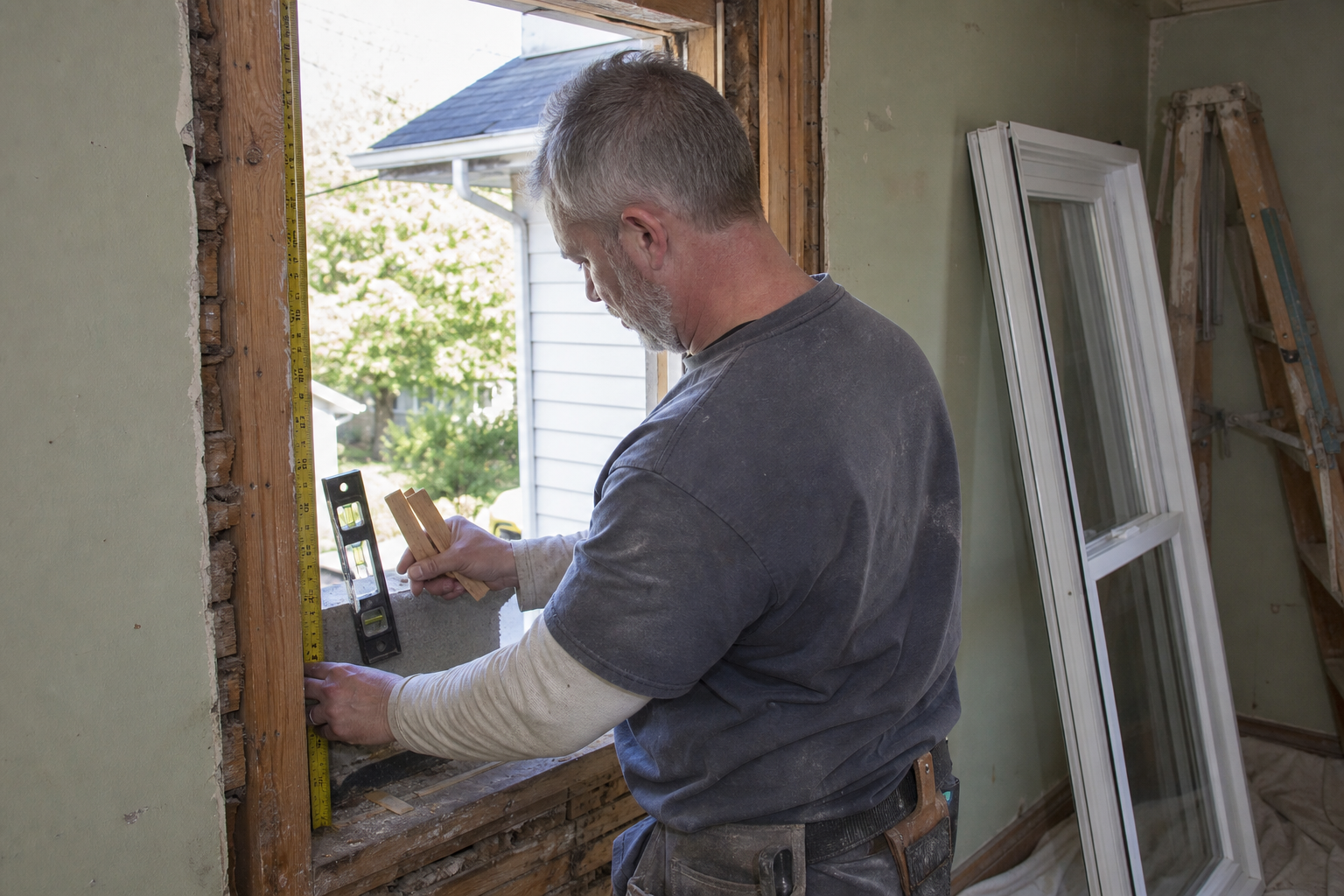
A retrofit window, also called an insert, goes inside your existing frame. The old sash and moving parts come out. The main outer frame stays in place.
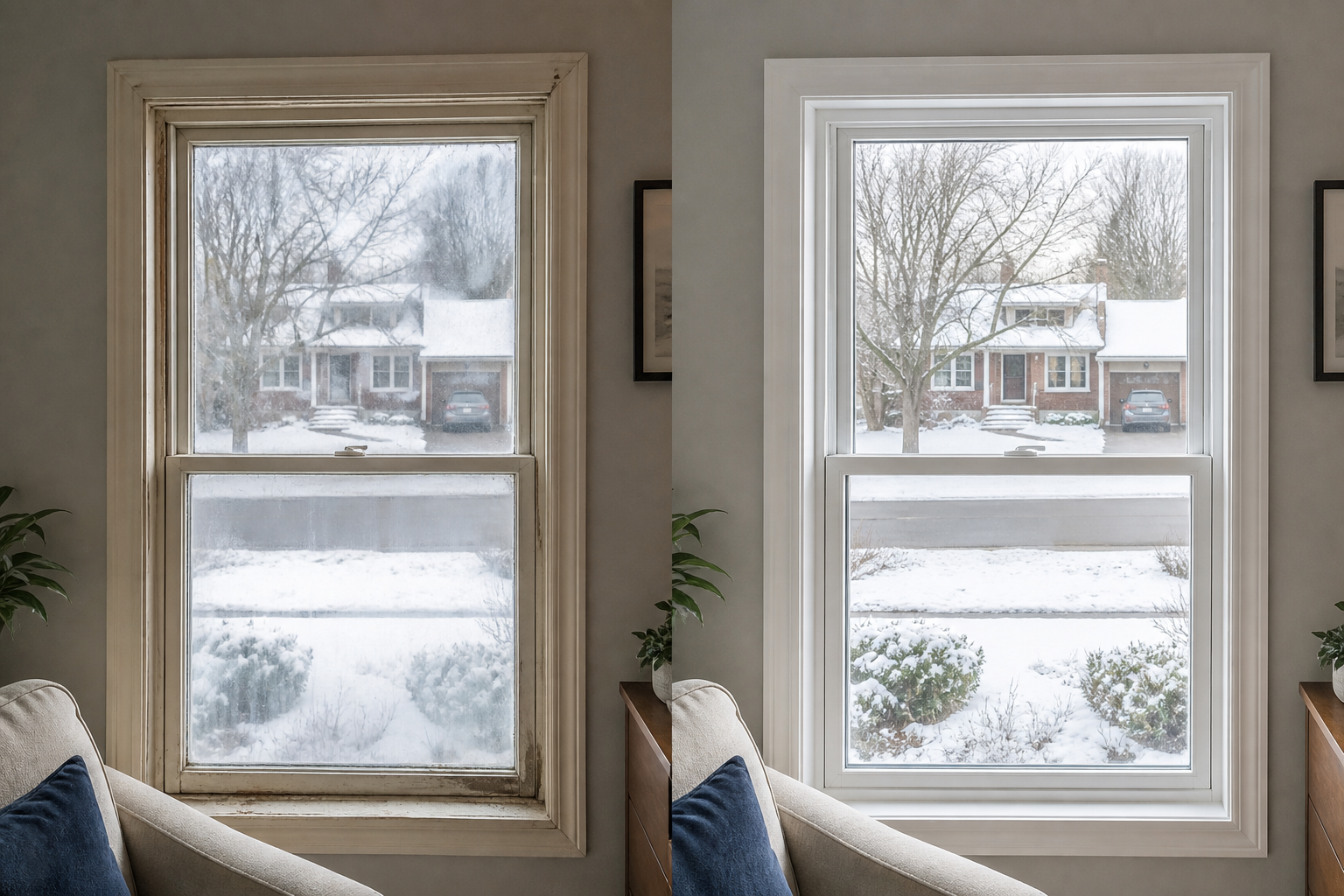
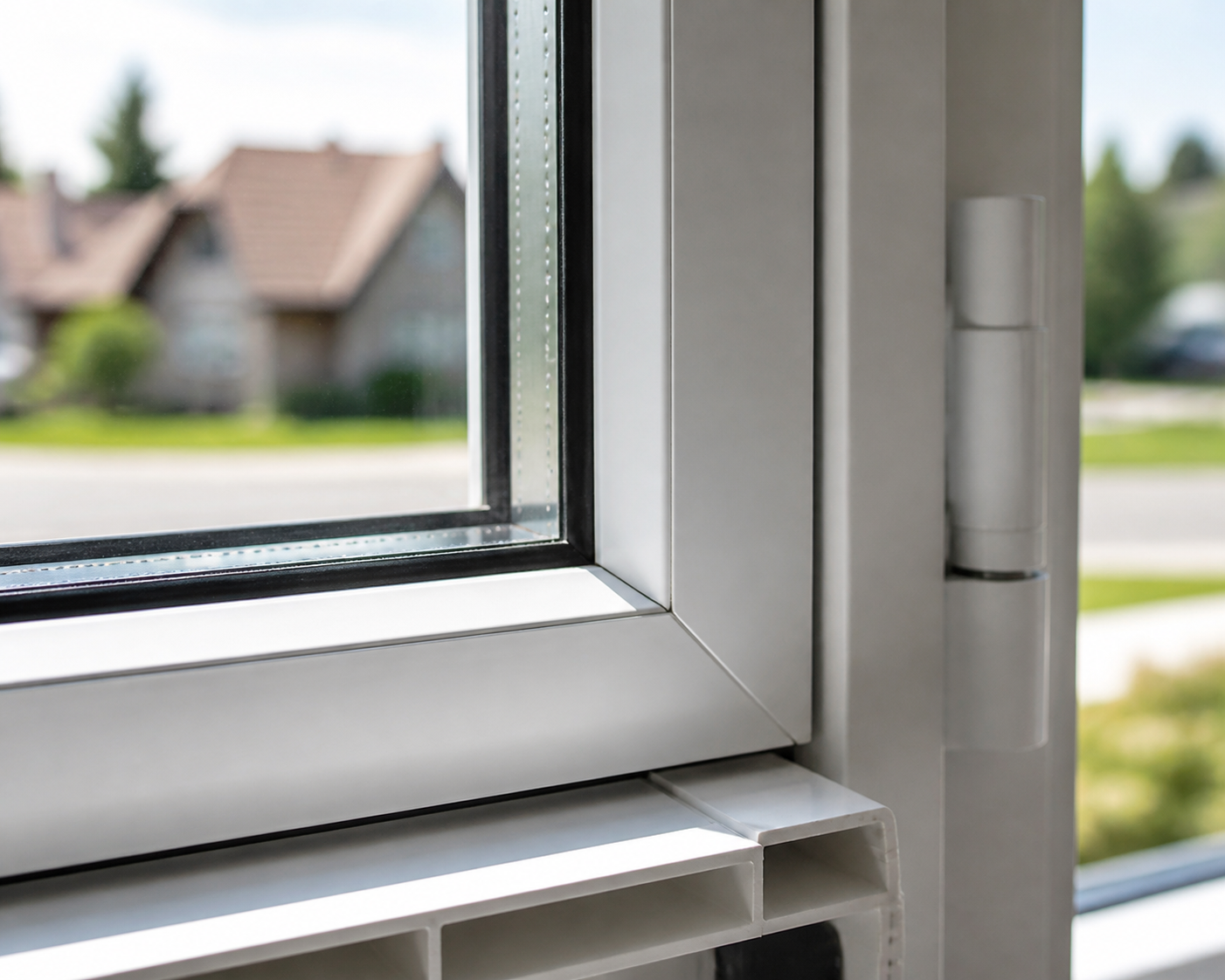
So what gets removed? Usually the old operable parts: sash, balances or springs, stops, and old hardware. What stays is the original perimeter frame that’s attached to the house. Then the new vinyl unit is fitted inside that opening and sealed.
Why people choose retrofit
- Lower installed cost than full-frame in many homes
- Less disruption to interior trim and exterior finish
- Faster install, often useful in winter
- Good option when the old frame is still solid and square
That last point matters most. If the frame is healthy, retrofit windows can perform well for years. On many houses in Toronto & the GTA, especially where the brick exterior and trim are still in good shape, inserts keep the job neat and avoid unnecessary work.
There are trade-offs, though. You lose a bit of glass area because the new frame sits inside the old one. Not always a deal-breaker, but you’ll notice it more on small bedroom windows or basement openings. And if the draft is coming from the wall around the old frame, not the sash itself, a retrofit may not solve as much as you hoped.
Useful tip: If your old window frame feels solid, the paint isn’t bubbling, and the sill isn’t soft or stained, ask if a retrofit is enough. If the answer is full-frame “just because,” press a little.
Retrofit also makes sense if your main goal is replacing failed glass units, sticky operation, or worn-out old sliders with better-performing styles like casement windows, as long as the opening itself is sound.
Full-frame replacement: more work, more access, more honesty
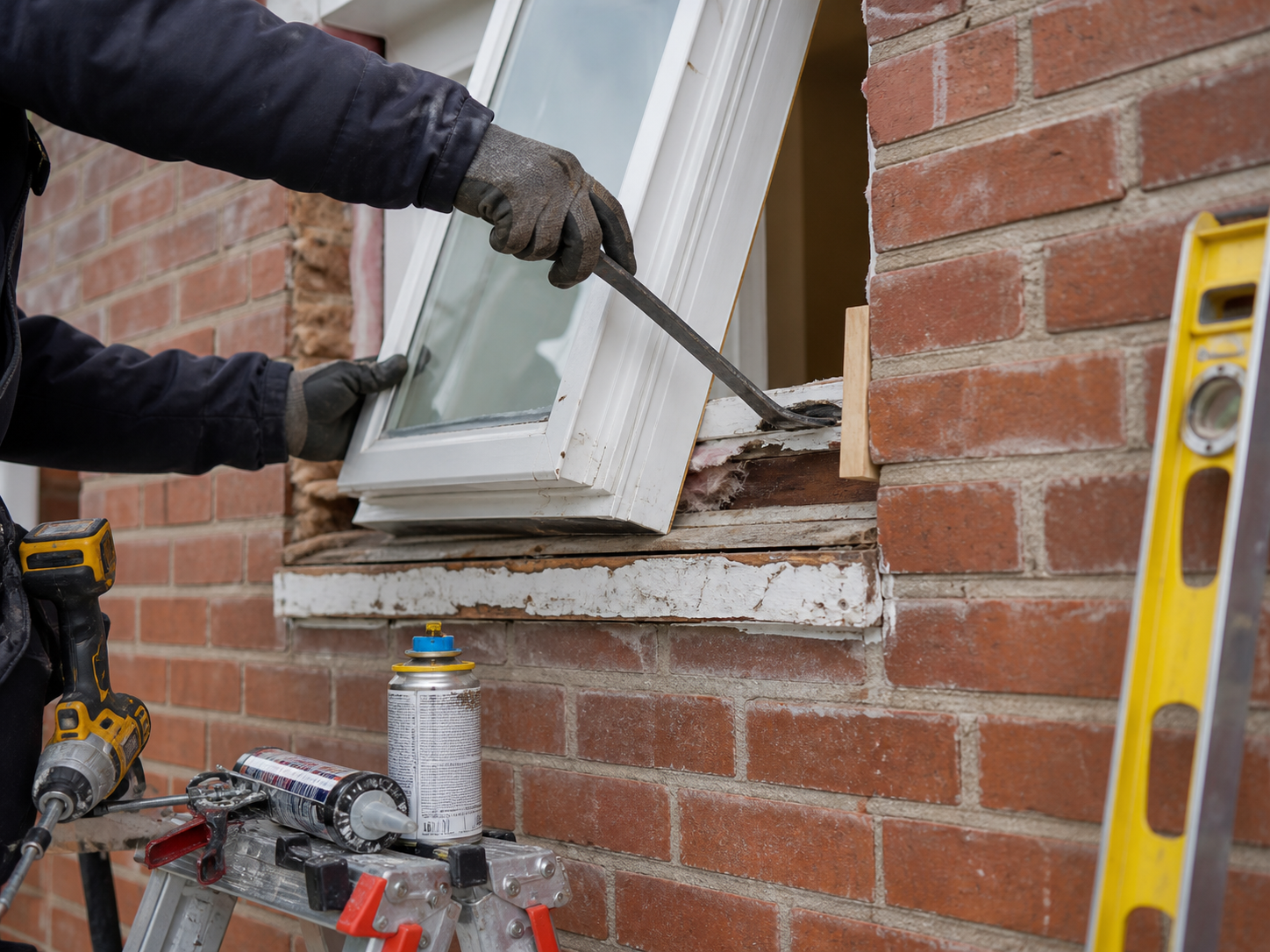
Full-frame means the entire old window assembly comes out. Not just the moving parts. The whole frame is removed down to the rough opening — that’s the structural opening in the wall.
This is the method that lets you inspect the sill, insulation, flashing, and surrounding wood properly. If there’s water damage, air leakage around the perimeter, or a frame that was never installed quite right in the first place, full-frame gives you a chance to fix it.
Why full-frame earns its higher cost
You’re paying for more labour and more unknowns. More trim work. More exterior finishing. Sometimes a little opening repair. Sometimes a lot. That’s why cost ranges widen fast on full-frame jobs.
But if your house needs that deeper reset, it’s money better spent. On a January call in Leaside, one customer complained that the “newer windows” still felt cold around the edges. They were old inserts done years before. The frame behind them had gaps and tired insulation. The glass wasn’t the main issue. The opening was.
Full-frame can also improve the finished look if your old trim is rough, your sightlines are clunky, or your current windows were a poor fit from day one. And in older Ontario homes — especially 1950s bungalows, century homes, or additions with mixed materials — it often gives the most durable result.
The downside? You’ll usually pay more, the job can take longer, and it’s not always worth it on every opening. I wouldn’t push full-frame on a clean, dry, square opening just to sound thorough. Drywall and trim don’t grow back for free.
Retrofit vs full frame windows: side-by-side
| Factor | Retrofit / Insert | Full-Frame |
|---|---|---|
| Cost | Lower to mid range | Mid to higher range |
| Energy efficiency | Good if frame is sound | Best chance to seal opening |
| Noise | Noticeable improvement | Usually better if leaks are in frame |
| Maintenance | Low, but old frame remains | Low, all new assembly |
| Lifespan | Strong if opening is healthy | Often longest-lasting reset |
| Best use | Solid existing frame | Rot, leaks, old damage |
If you’re looking for a simple rule, here it is: retrofit solves window problems; full-frame solves opening problems. Sometimes you need one. Sometimes the other. Sometimes both on the same house.
Cost, longevity, and which should you pick?
Let’s talk money without pretending there’s one magic number. In Southern Ontario, retrofit usually costs less because there’s less tear-out and finish work. Full-frame costs more because there’s more labour and more risk of uncovering repairs. On some houses the gap is modest. On others, especially older homes, it’s not.
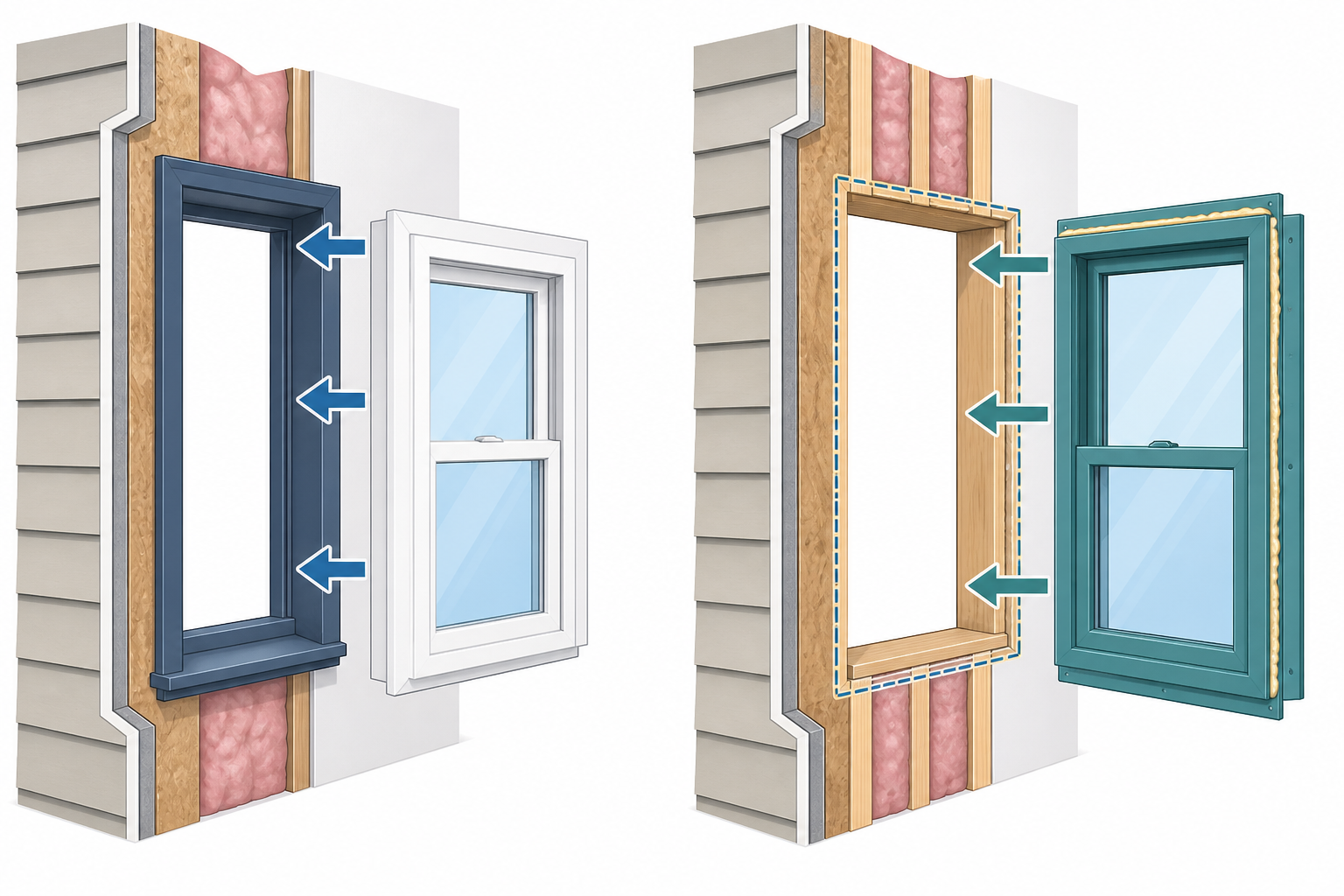
Longevity works the same way. A well-installed retrofit in a good opening can last a long time. But if the old frame is tired, you’re building on a weak base. Full-frame tends to win on lifespan when the existing frame is the weak link.
My honest verdict
Pick retrofit if your frame is sound, you want better comfort without tearing into good trim, and you’d rather put the saved money toward better glass, better hardware, or more windows now instead of later.
Pick full-frame if you’ve got signs of rot, past leaks, drafts around the frame, movement, ugly old patchwork, or you plan to stay put for years and want the opening redone properly.
And yes, mixed projects are common. One bay window may need full-frame. Two back bedroom windows might be perfect for retrofit. That’s often the smartest quote, even if it’s less tidy for the salesperson.
If you want a second set of eyes on your place, send us a few photos. We’ll tell you straight if an insert makes sense or if the frame needs to come out. I’d rather give you the right level of work than sell you the expensive version by default. Ontario weather is hard enough on houses already.