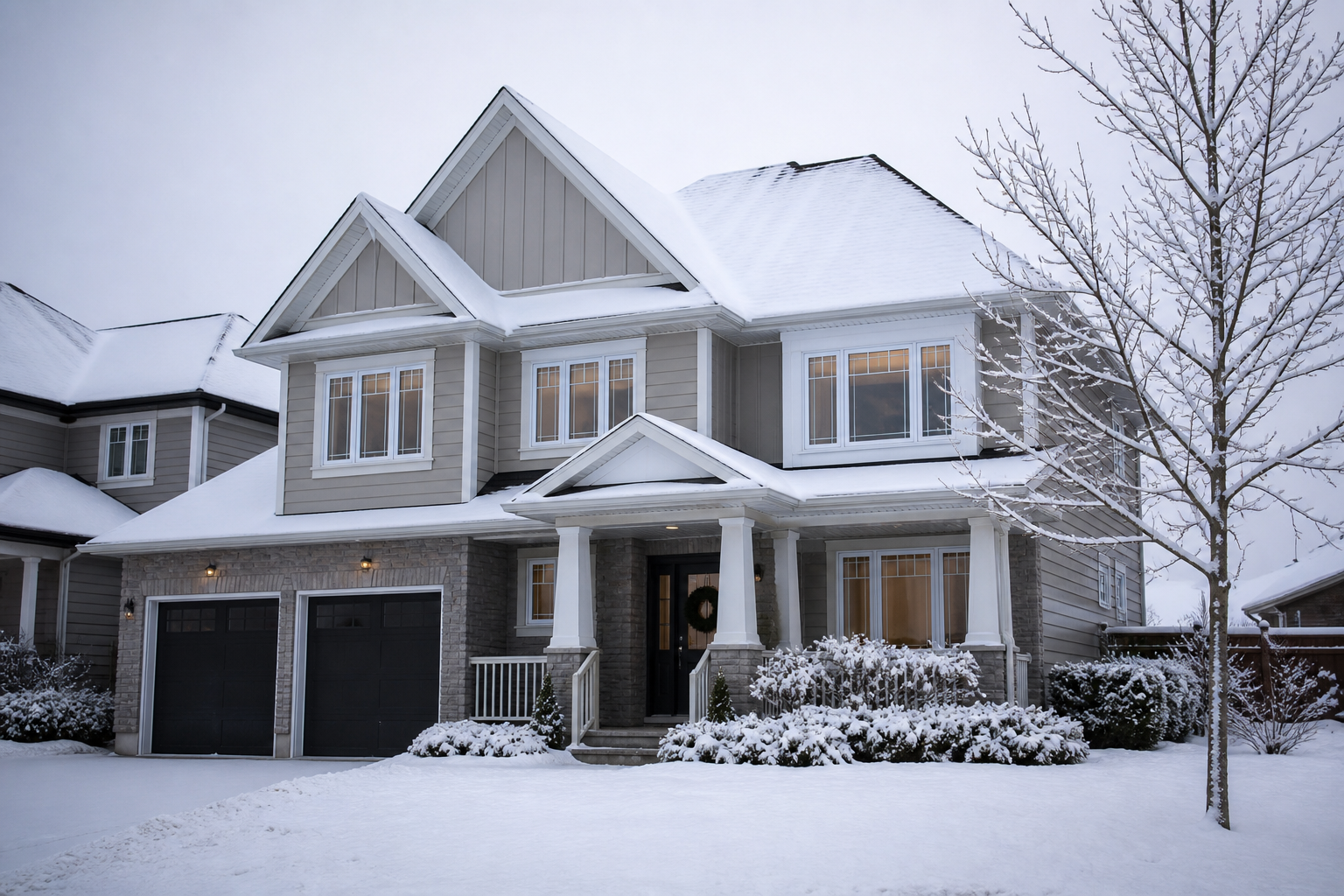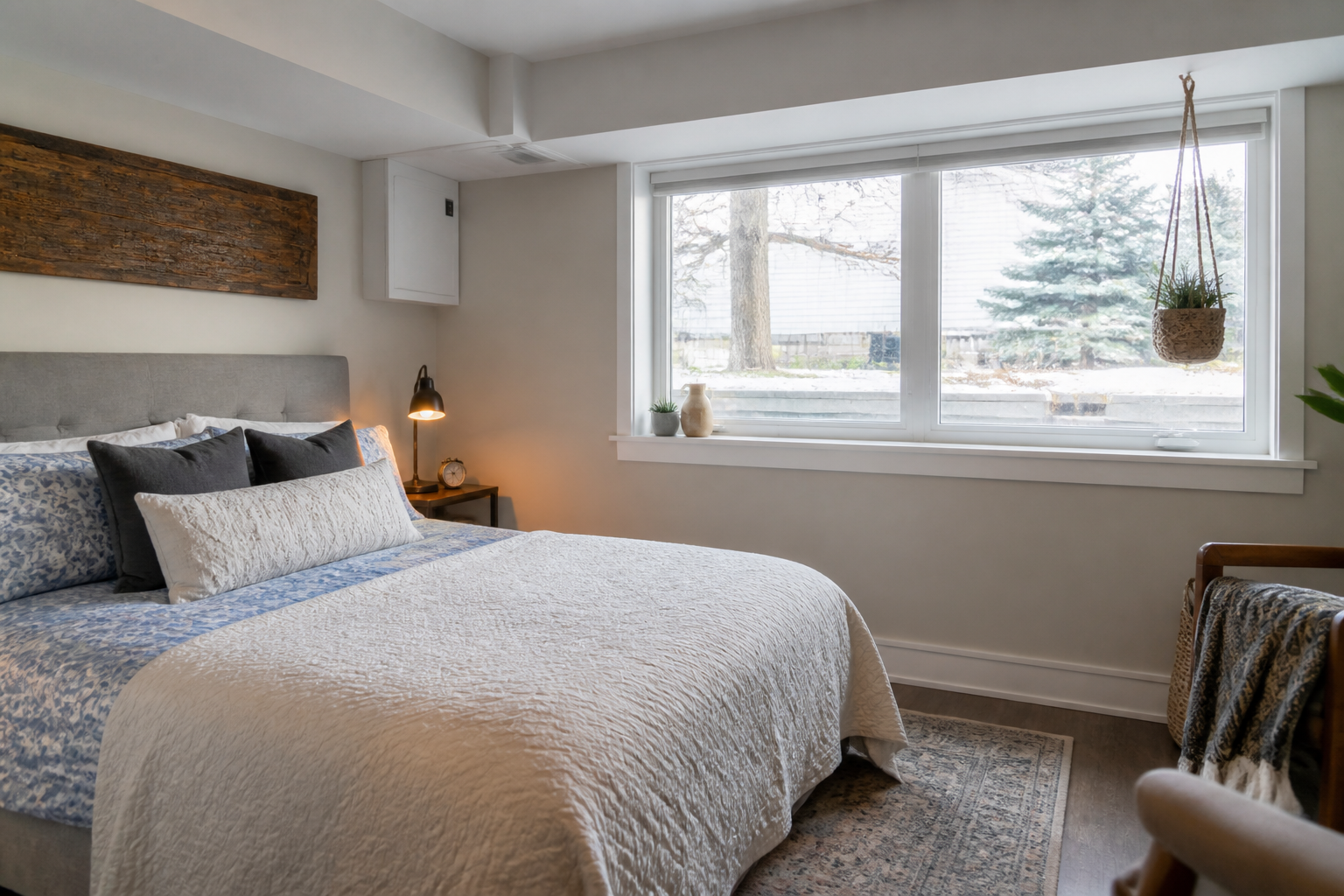
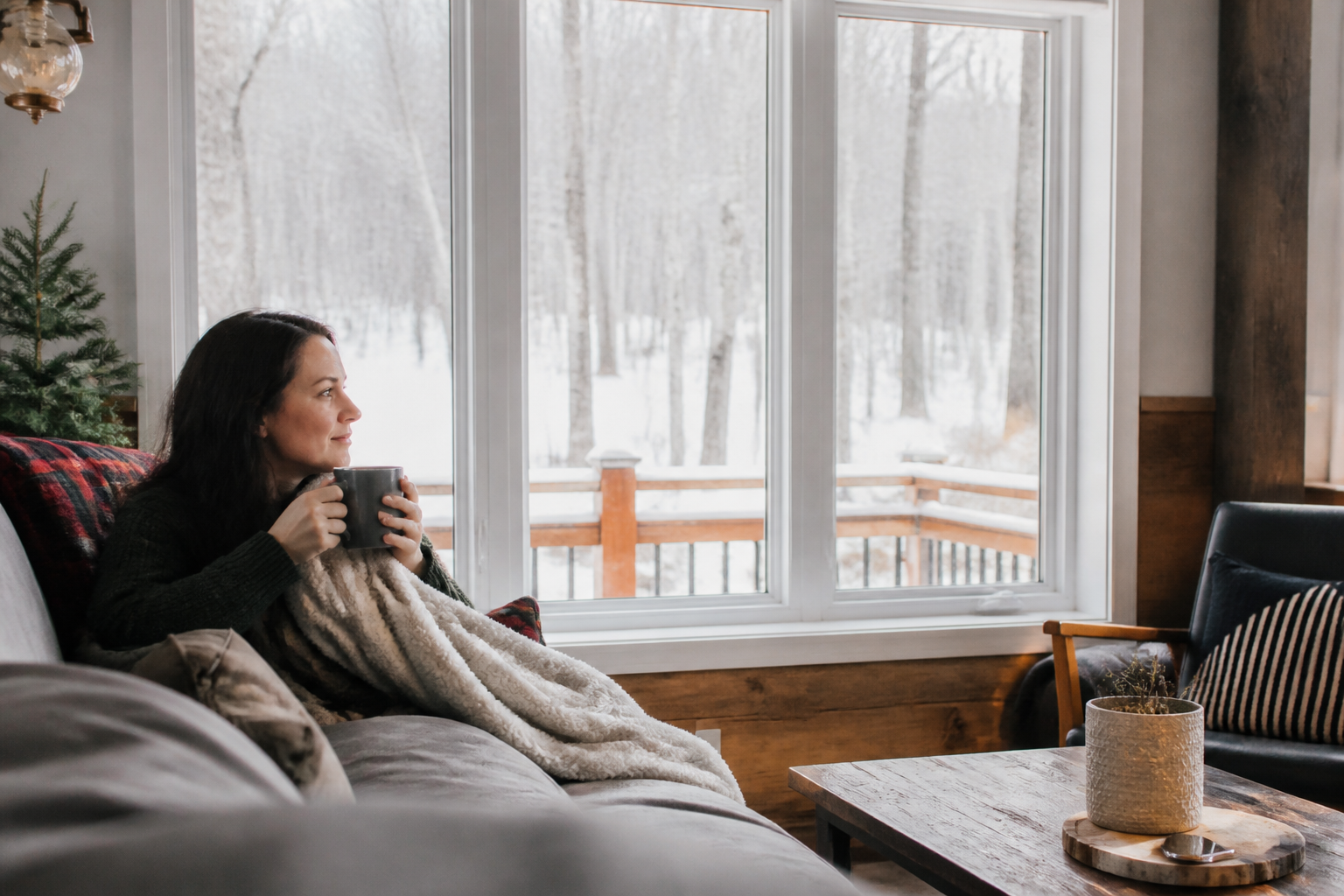
You know that spot on the couch by the window that looks cozy in December, then feels like a bus stop in January? That’s usually where people start thinking about new windows.
And fair enough. In our part of Ontario, winter isn’t a gentle season. We get January cold snaps, wind off the lake, wet snow, freezing rain, then weird thaw-freeze days that test every seal in your house. The best windows for Canadian winters aren’t just about lower heat loss on paper. They’re about how the room actually feels at 7 a.m. when you walk over in bare feet.
I’ve seen this up close. We were in an older brick home in East York one January, and the homeowner told me, “The furnace runs, but this room still feels annoyed.” That made me laugh because I knew exactly what she meant. The old sliders looked fine from across the room. Up close? Cold glass, worn weatherstripping, and enough air leakage around the sash to make the curtains twitch.
What to prioritize first for a Canadian winter
Here’s the thing. The best windows for Canadian winters are not always the fanciest ones. They’re the ones that do three jobs well: keep cold air out, keep the inside glass warmer, and stay tight year after year.
- A tight seal against air leaks
- Glass that keeps the inside surface warmer
- A frame that doesn’t warp, crack, or sweat easily in cold weather
- A style that closes firmly and stays that way
Most homeowners focus on the number of panes first. That matters. But air leakage matters a lot too. A window with decent glass but a poor seal can still feel drafty. And that “draft” people blame on the glass? Sometimes it’s actually cold air slipping around the moving parts of the window sash.
You’ll also want to think about condensation. Not just because it looks bad. If you’re wiping water off the sill every morning, that moisture can lead to paint damage, swollen trim, even mould over time. The inside glass temperature matters more than people realize.
Quick tip: if your main complaint is “the room feels cold,” don’t ask only about panes. Ask how tightly that window style locks and seals. Comfort is often an air-leak issue first, glass issue second.
Best window style for cold, drafty homes
If you want my plain answer, I usually lean toward casement and awning windows for winter performance. These are the crank-open styles that pull in tight against the frame when you close them. That closing action matters. It gives you a snug compression seal — basically the weatherstripping gets pressed firmly together instead of just meeting lightly.
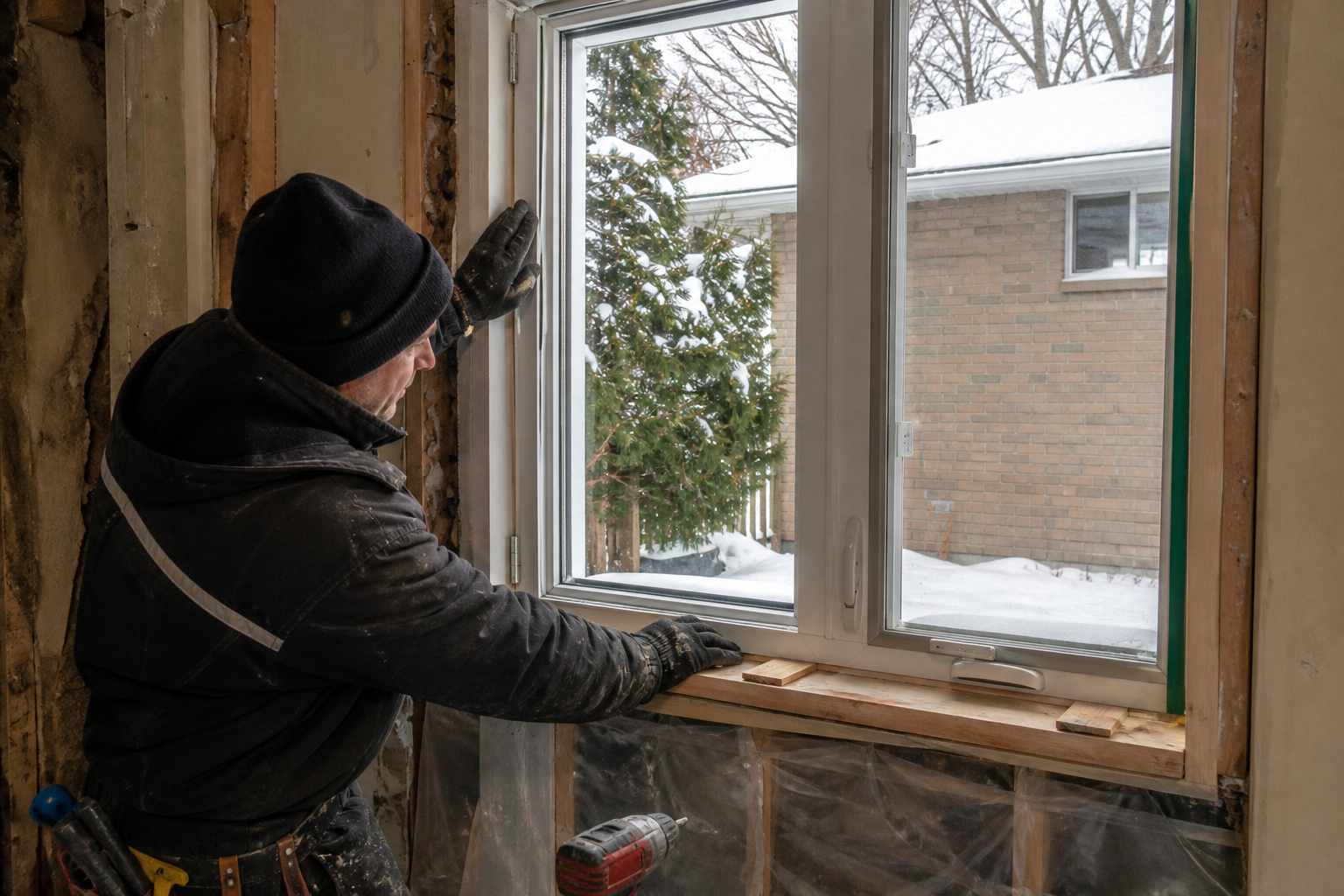
That’s why casement windows are often one of the strongest picks for exposed rooms, older homes, and places where you really notice wind. Think second floors in Scarborough, bungalows in Newmarket with open side yards, or homes out toward Simcoe County where winter wind has a bit more room to stretch out.
Awning windows do well too, especially in bathrooms, basements, and kitchens where you still want some ventilation without giving up winter performance. I’ve got a soft spot for them, honestly. They’re practical and a little underrated. You can see more on awning windows if that style is on your list.
Who they suit best
- Homes with noticeable drafts near existing windows
- Bedrooms and living rooms where comfort matters more than a wide opening
- Older homes with tired sliders or loose aluminum units
- Windy exposures on corner lots or open rural roads
The trade-off? Casement and awning windows usually cost more than basic sliders, and the crank hardware adds moving parts. Good hardware lasts well, but cheap hardware is where problems start. This is not the place to cut every corner.
What glass package holds up best in winter
Now the glass. This is where people hear a lot of half-true stuff at home shows and from neighbours. “Just get triple-pane and you’re done.” Okay, but not always.
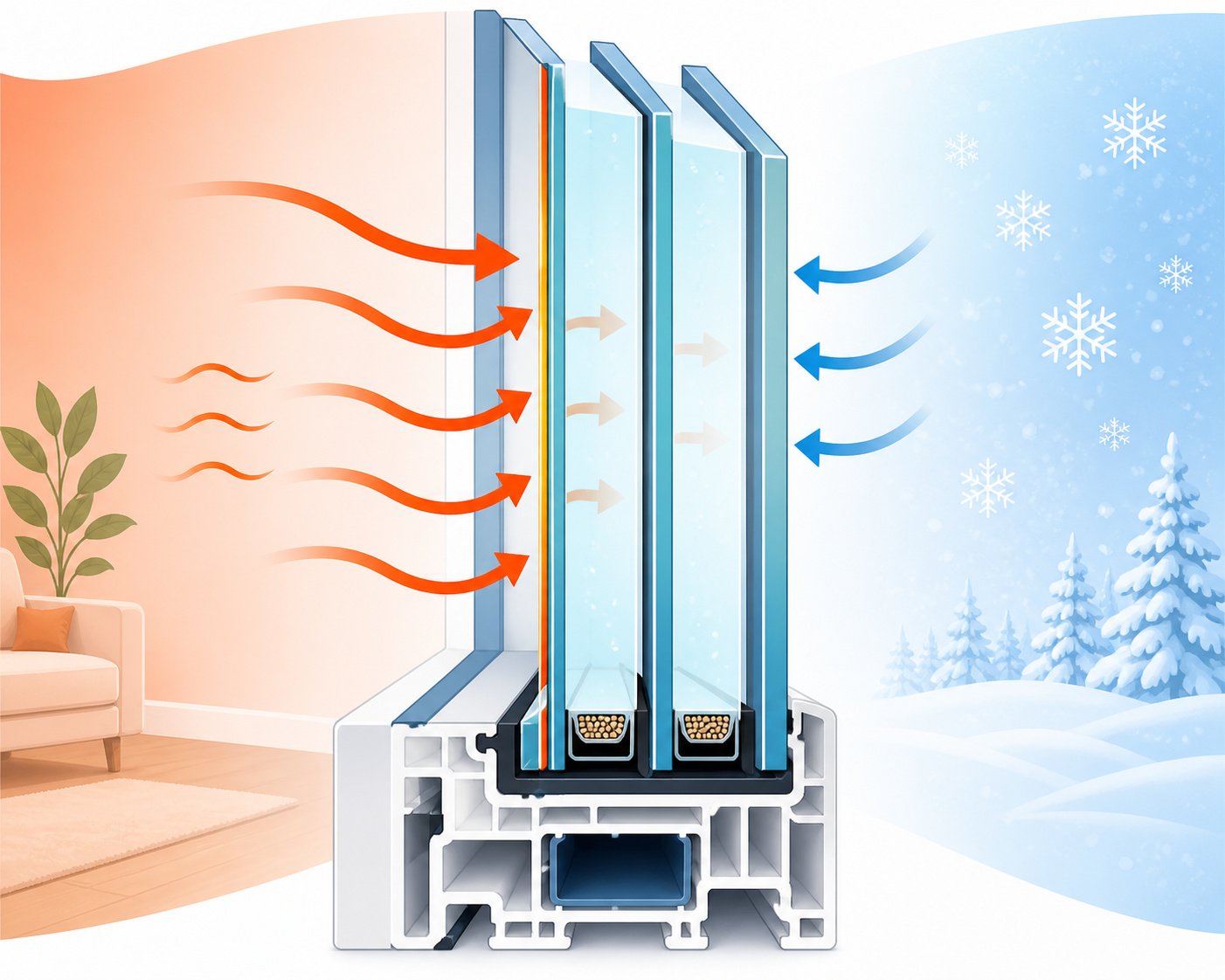
For the best windows for Canadian winters, I’d focus on a well-built insulated glass unit first. That’s the sealed glass package itself. You want multiple panes, the gas between them to slow heat loss, and the coating that reflects heat back inside — that coating is called Low-E.
A good double-pane unit with the right Low-E coating and solid seals can perform very well in a lot of GTA homes. Triple-pane can be a smart upgrade, especially in very exposed rooms, larger window openings, or colder areas north of the city. But it adds weight and cost, so I’d rather see someone buy a better-performing window overall than chase triple-pane on a weaker frame or style.
What matters in real life? The inside glass feels less icy. You get fewer cold downdrafts. And in many homes, you’ll see less condensation because the interior pane stays warmer.
Frames, seals, and the parts people ignore
This part is less exciting than glass talk. It’s also where comfort is won or lost.
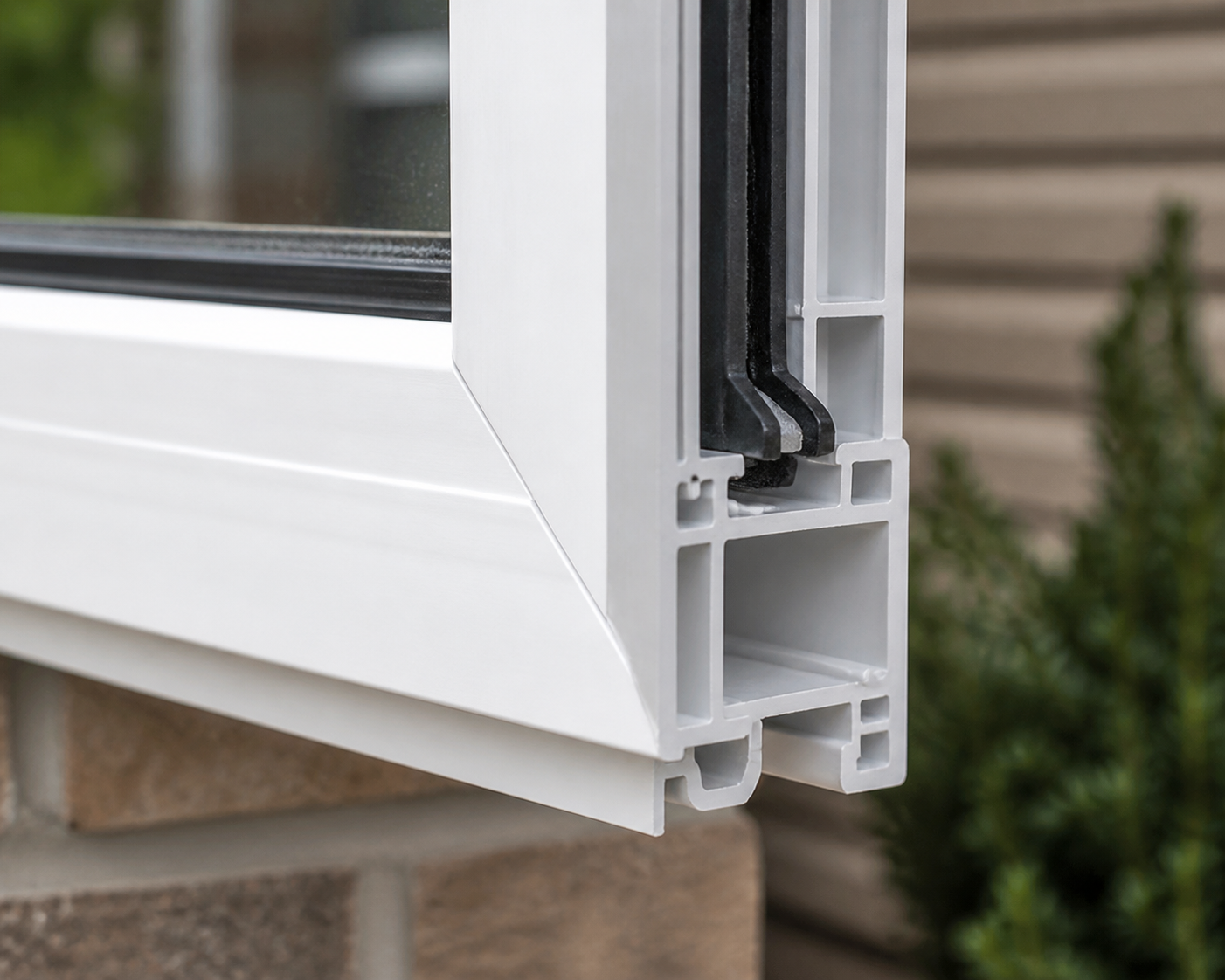
For our climate, vinyl frames make a lot of sense. They don’t conduct cold the way aluminum does, and they handle Ontario freeze-thaw cycles well when they’re made properly. I’d look for a frame with internal chambers — little air pockets inside the frame that help slow heat transfer — plus good weatherstripping and strong welded corners.
And installation matters more than brochures admit. A great window installed poorly is still a cold window. We see it all the time on replacement jobs around Toronto and the GTA: gaps not insulated properly, old trim hiding air leaks, windows that were never shimmed and levelled quite right. Then the homeowner thinks the product failed, when really the weak link was the install.
If you’ve ever stood near a window and felt a little stream of cold on one side only, that’s often not the glass. It’s the perimeter. The rough opening, the insulation around the frame, the exterior caulking. Boring stuff. Very important stuff.
Best picks by room and house type
Different rooms need different things. A big family room in a Markham detached home is not the same as a small bathroom in a 1950s bungalow in Barrie.
Living rooms and bedrooms
Go for comfort first. Casement windows are usually my top pick here because they seal tightly and make a room feel more even. If you want a larger fixed view, combining an operable window with a fixed centre section can work really well.
Bathrooms and kitchens
Awning windows are a strong choice because they seal well and suit smaller openings. But remember: if you cook a lot or take long hot showers, some condensation may still happen. Windows help, but they can’t outvote indoor humidity.
Basements
This is where people often just want “cheap and fine.” I get it. But basements are already cooler and damper, so a poor-sealing window is extra noticeable. A tight-opening style is worth a hard look.
Homes with great views
A fixed picture window often performs very well because it doesn’t open, so there are fewer places for air to sneak through. Pair it with operable windows nearby if you still want airflow in milder months.
Honest trade-offs before you buy
A few truths, because I’d rather be useful than polished.
- The warmest-performing style is not always the cheapest style.
- Triple-pane is not automatically the best choice for every opening.
- Condensation is not always the window’s fault; indoor humidity plays a big role.
- A poor install can wipe out the benefit of an upgraded glass package.
- Sometimes replacing the worst few windows first makes more sense than doing the whole house at once.
I had a customer in Aurora who was convinced every window in the house had failed. Turned out the worst comfort problem was two giant north-facing bedroom windows and one old patio-adjacent unit in the family room. We changed those first, and the difference was immediate. Did the rest of the house still have older windows? Yes. Did the house feel dramatically better? Also yes.
So if you’re trying to choose the best windows for Canadian winters, don’t get pulled into a one-size-fits-all answer. Start with the coldest rooms. Look at exposure, window style, and how the room is used. Then spend where it actually changes daily comfort.
My simple shortlist for the best windows for Canadian winters
If you want the quick version, this is where I land most often:
- Best overall for winter comfort: casement windows
- Best for smaller rooms that still need ventilation: awning windows
- Best for big views and strong performance: fixed picture windows paired with operable units
- Best value if budget matters but performance still counts: a well-made double-pane unit with the right coating, tight seals, and proper installation
And if you’re north of the city, on an exposed lot, or replacing windows in the coldest rooms first, it’s worth asking more detailed questions about the glass package and installation approach. We work across York Region and up to Simcoe County, so we’ve seen how different the needs can be from midtown Toronto to more open areas farther north.
If you want a no-pressure opinion on what makes sense for your house, you can always get in touch. I’m happy to tell people when an upgrade is worth it — and when it really isn’t.
Because honestly, winter is long enough here. Your windows shouldn’t make it feel longer.