A lot of people stare at a cracked window for a few days and ask the same question: can this be repaired, or am I buying a whole new window now? Fair question. The annoying part is that the answer changes a lot depending on *what* is broken.
I’ve been on January calls in Toronto where a kid’s hockey puck cracked one pane, and I’ve been in Barrie homes where the glass looked "fine" from the driveway but the sealed unit had failed and the inside was fogged up like a bathroom mirror. Those are not the same problem. And the part most people get wrong comes later: they assume any glass issue means a full window replacement. Sometimes it does. Often it doesn’t.
Step 1: Figure out what broke
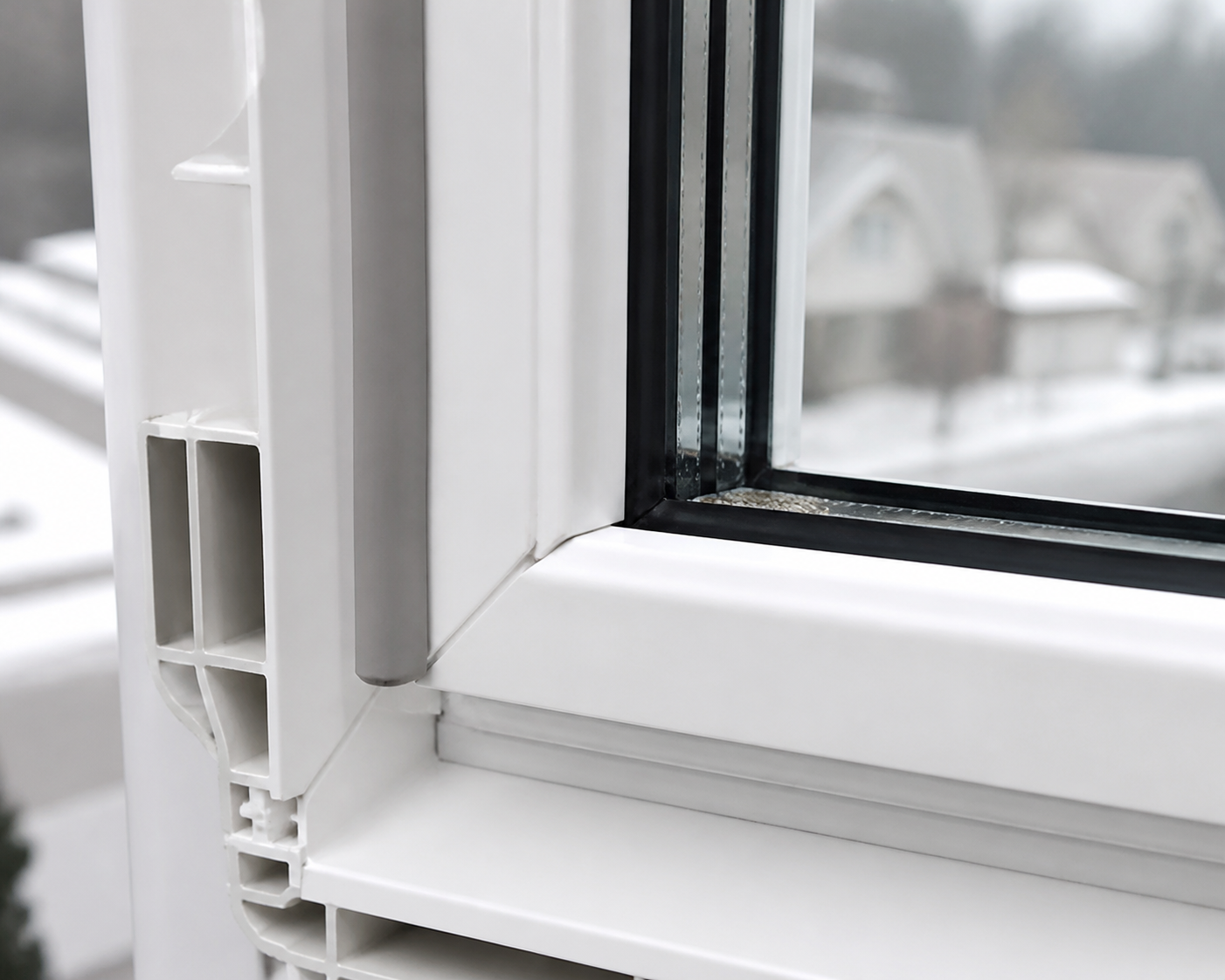
Before you decide broken window glass repair or replace, you need to know if you have one sheet of glass or a sealed double-pane unit. That sounds obvious. It isn’t. Plenty of older bungalows in East York, basement windows, garages, and porch enclosures still have single-pane glass. Most main-floor and bedroom windows in the GTA now have two panes sealed together with gas in the middle. That sealed pack is called an insulated glass unit, or IGU.
Here’s the quick test. If the window has one thin sheet of glass and you can clearly see one edge, that’s likely single-pane. If you can see a spacer strip between two panes at the edge, that’s a sealed unit. If the glass is fogging between the panes, the seal has failed, even if nothing is cracked.
- Single crack in one sheet of glass: often a glass-only fix
- Shattered glass in a sealed double-pane unit: usually replace the sealed unit, not the whole frame
- Fog or moisture between panes: sealed unit replacement
- Cracked frame, rotten wood around the opening, or sagging sash: bigger problem than glass alone
At WindowFixers, we supply and install full custom vinyl windows. We don’t do glass-only repairs. But I still think you deserve the straight answer, because the right move might be a local glass shop for one pane, or it might be a new window if the sash and frame are done too.
Step 2: Make it safe before you price anything
If the glass is broken, safety beats shopping around. Every time. A hairline crack in a spare room is one thing. A shattered patio-side pane in February, with wind pushing through it, is another.

Useful tip: if glass is loose or spidered across the pane, keep kids and pets back, put on gloves, and tape cardboard or thick plastic over the opening from the inside as a temporary step. Don’t press on the cracked area to “see how bad it is.” It never gets better from poking it.
If the window is near a door, low to the floor, or in a bathroom, the replacement glass may need to be safety glass — usually tempered glass. That’s the kind designed to break into small pieces instead of sharp shards. Ontario code rules matter here, especially in spots where someone could fall into the glass.
One winter in Newmarket, we saw a homeowner tape over a cracked lower sash for weeks because they were waiting to “see if it spread.” It did. Cold snap, wind load, one loud pop at 6 a.m. and now they had glass all over the floor and a much uglier emergency. Don’t do the science experiment.
Step 3: If it’s single-pane, repair can make sense
This is the one case where broken window glass repair is often simple. If you have older single-pane glass in a garage, shed, porch, or some basement windows, a glass shop can often cut a new piece and set it into the existing sash. If the frame is still solid, that can be the cheapest path.
But there’s a catch. Old single-pane windows are usually poor performers in Ontario winters. So yes, you can repair the glass. The better question is: should you keep putting money into a drafty old unit? If it’s a side garage window, fine. If it’s a main living area, you may be feeding your furnace for no good reason.
I’d look at three things: the age of the frame, air leaks around it, and how often the window gives you trouble. If the hardware sticks, paint is peeling, and you feel cold air every January, replacing the full unit may make more sense than patching one pane.
If you’re not sure what style you even have, our pages on slider windows and casement windows show the common setups we see across older Toronto and York Region homes.
Step 4: If it’s double-pane, replace the sealed glass unit
This is where most people get tripped up. On a double-pane window, you usually do not repair the crack itself. You replace the sealed glass unit inside the sash. That means the two-pane package comes out, and a new sealed unit goes in.
Why not just swap one pane? Because the two panes, spacer, seal, and gas between them all work together. Once that package is broken or the seal is gone, the unit has failed. You’re not just fixing a crack. You’re replacing the insulated part of the window.
This can be worth doing if the vinyl frame is still square, the sash is in good shape, and the hardware works. In that case, replacing the IGU can save money over replacing the full window. It’s common on newer windows where only the glass took a hit.
Okay, but here’s the honest part: if the sash is warped, the lock doesn’t line up, or the frame leaks air around the edges, glass replacement may just be a bandage. On older units, especially after years of sun, freeze-thaw cycles, and the odd slammed sash, the rest of the window can be near the end too.
Step 5: Know when full window replacement is the smarter call
So, broken window glass repair or replace the whole thing? Replace the whole window when the glass problem is only one symptom.
- The frame is cracked, soft, rotted, or twisted
- The sash doesn’t close or lock properly
- You have repeated seal failures in the same old window
- There’s major draft, water staining, or trim damage around the opening
- You were already planning to upgrade for comfort, noise, or efficiency
We saw this on a house in Leslieville not long ago. The customer called about one cracked pane. Fair enough. But once we looked closer, the old unit had a failed seal, the sash was dragging, and the frame had enough movement that replacing just the glass would’ve been throwing money at a tired window. They weren’t thrilled to hear that at first (I wouldn’t be either), but six months later they told us the room finally felt even in winter.
If you’re in Toronto, York Region, or up toward Simcoe County and want us to look at the whole picture, our service area page is here. We’d rather tell you not to replace a window than sell you one you don’t need.
Step 6: Know what the job usually involves
People often ask me what happens next if they choose replace over repair. Fair question. No one likes mystery work in their house.
Relative Heat Loss by Glass Type
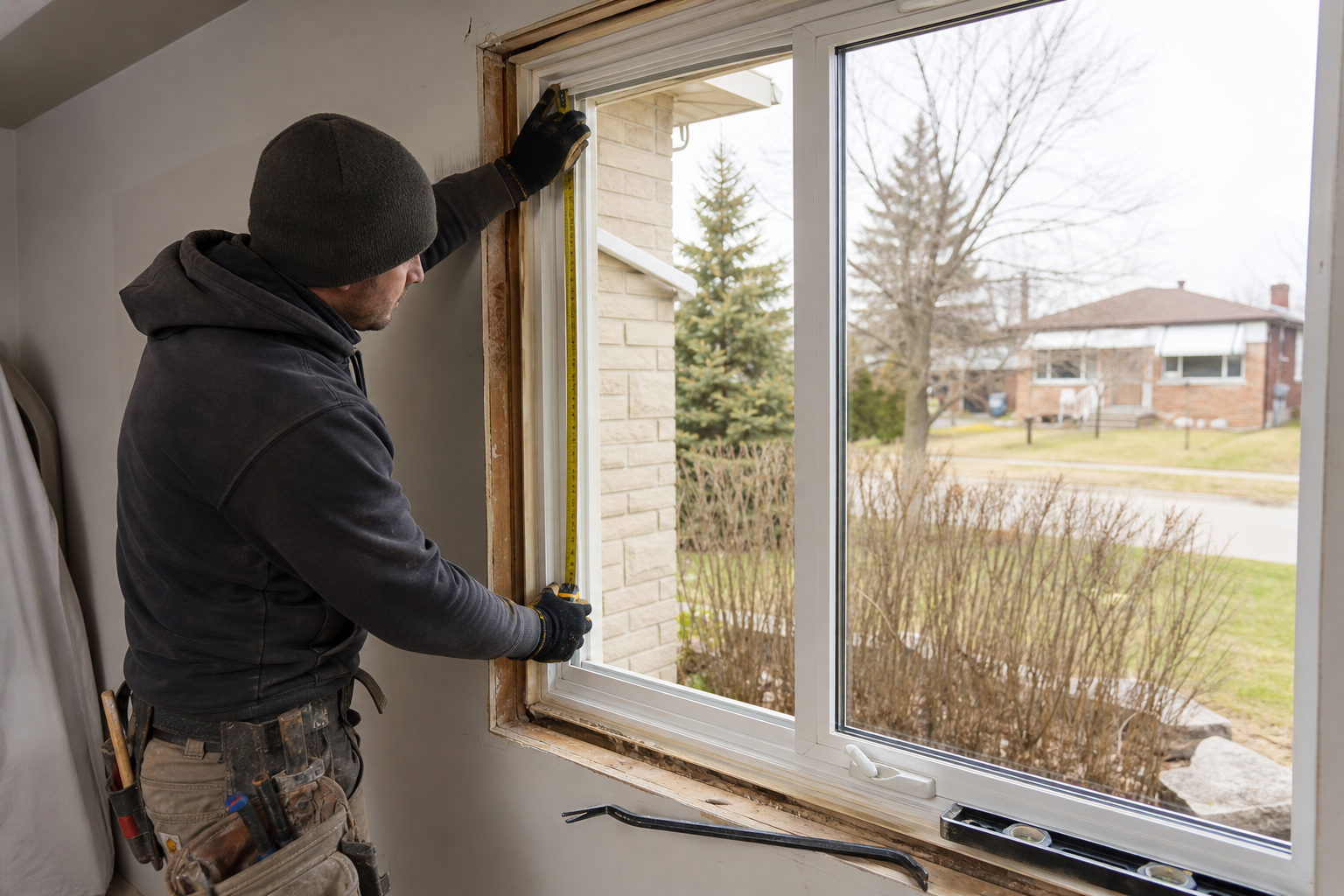
If it’s a glass-unit replacement, the damaged sealed unit is measured, ordered to size, the old one is removed from the sash, and the new one is installed and sealed in place. If tempered or custom glass is needed, that can affect lead time.
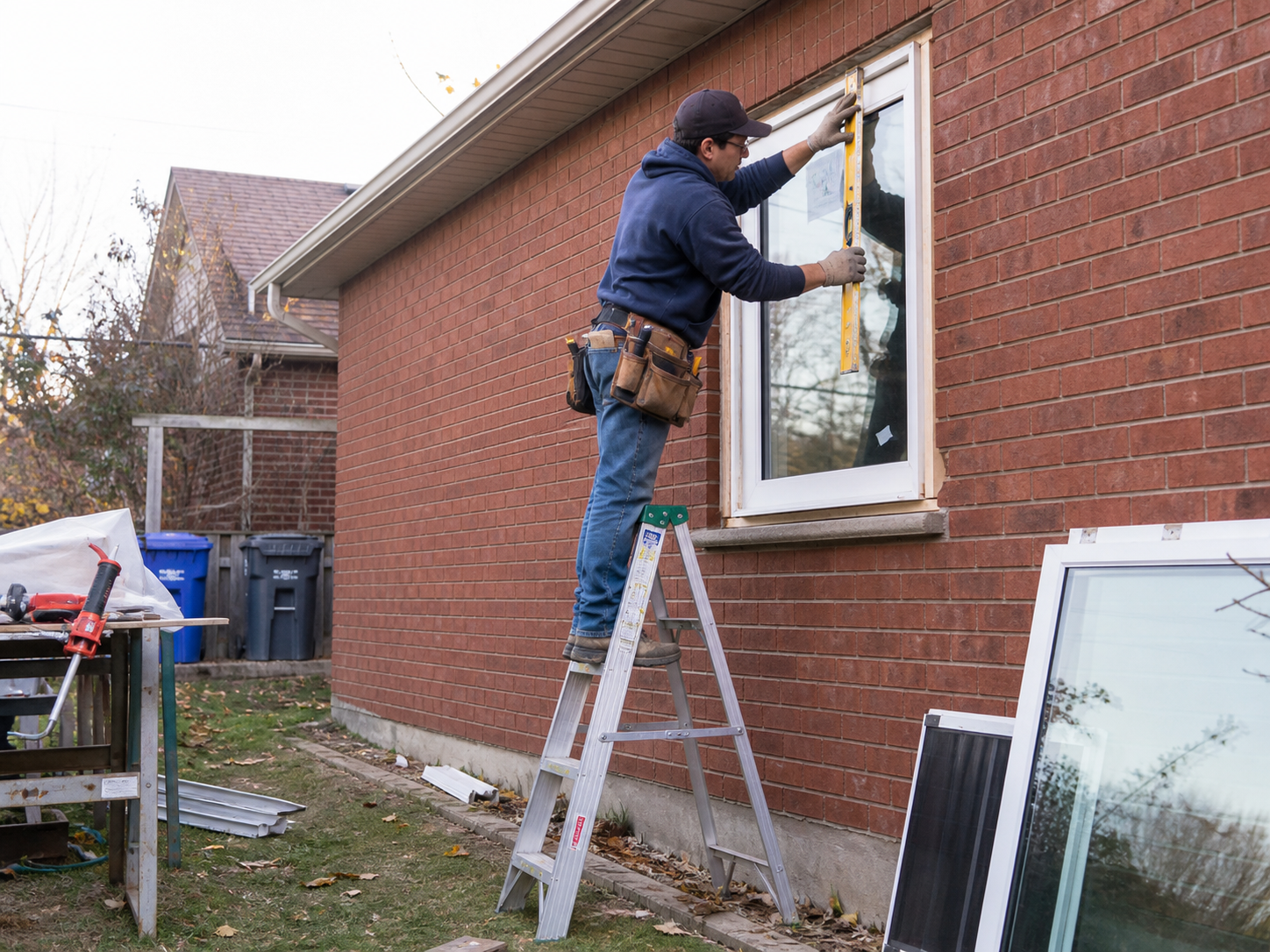
If it’s a full window replacement, we measure the opening, order the new custom vinyl unit, remove the old window, insulate and seal the perimeter, then install and adjust the new one so it opens, locks, and seals properly. The boring little details matter here — level, plumb, shim placement, low-expansion foam, exterior caulking. A pretty window installed badly is still a bad window.
And if you’re weighing options, this is the moment to think past the broken glass. Do you want the same style back? Or was this the nudge to switch that stubborn old unit to something easier to use? Sometimes one accident starts a better decision.
If you need a second opinion on replacement, you can reach us through our contact page. Even if the answer is “fix the glass and keep the window,” I’m fine saying that.