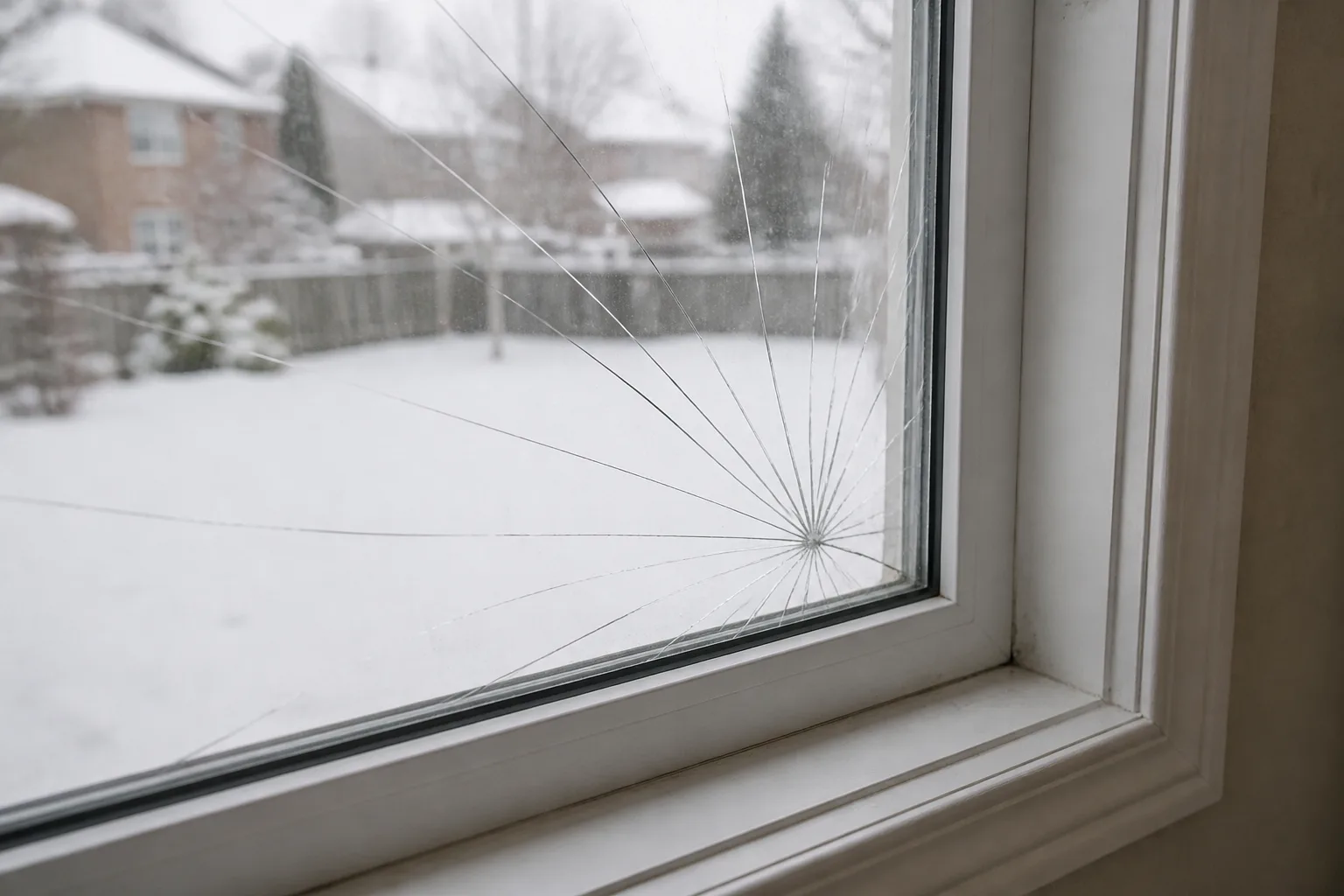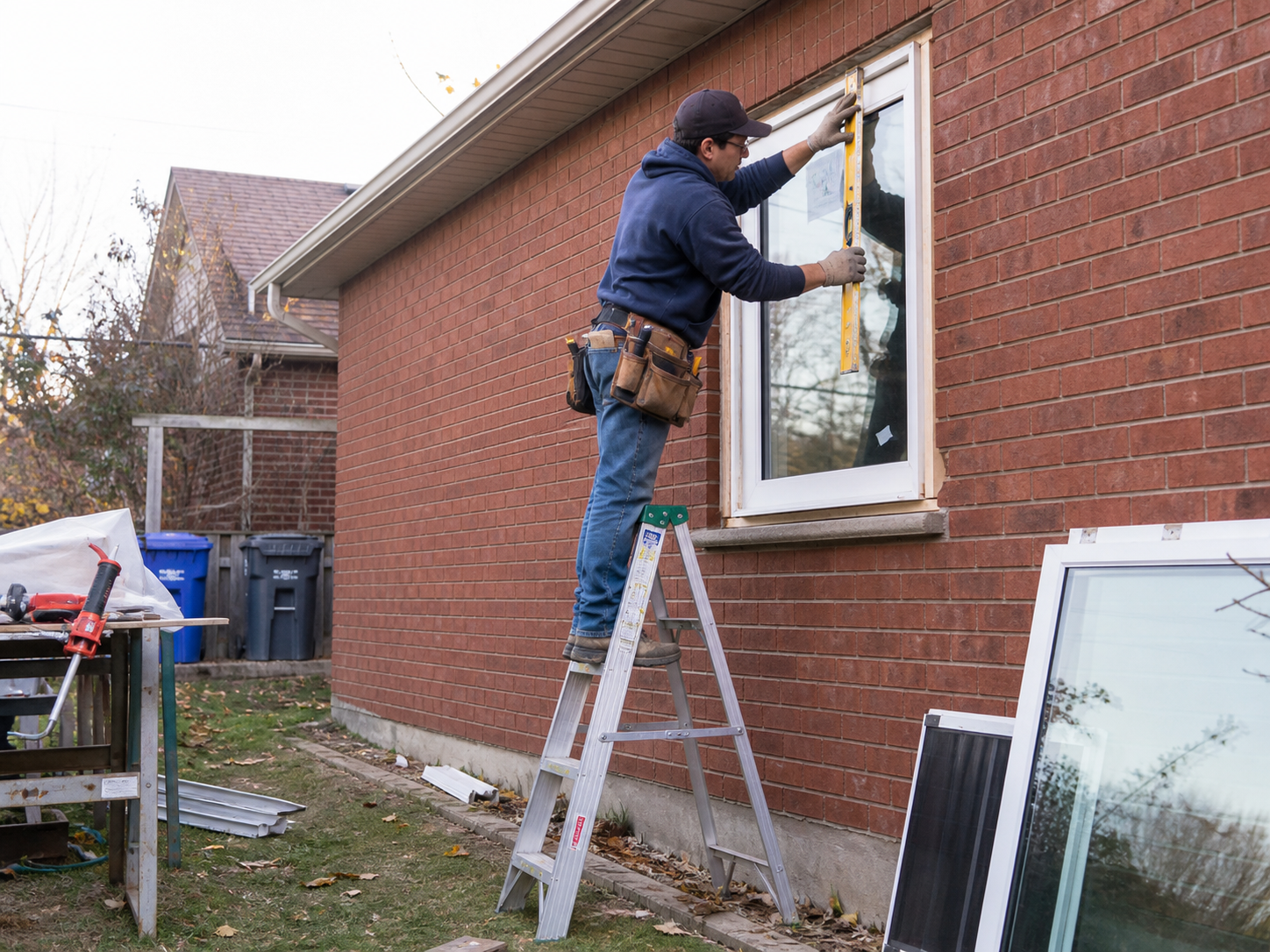
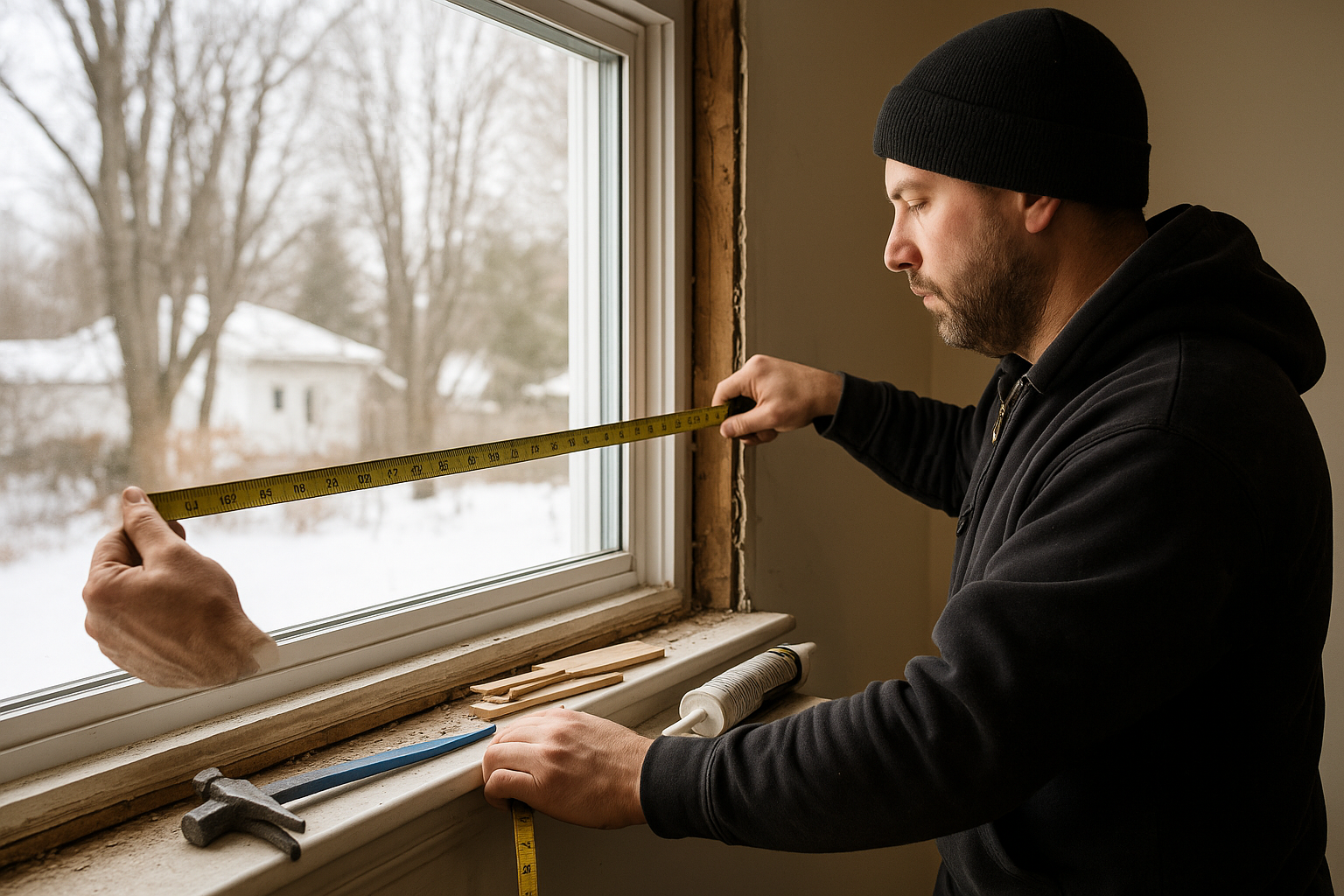
The most expensive part of a foggy window is often the wrong decision you make after seeing it. I’ve had people in Toronto and Newmarket tell me they were sure they needed all new windows, when the problem was only the sealed glass in one sash.
And I’ve seen the opposite too. A homeowner in Richmond Hill wanted the cheapest foggy window glass replacement possible, but the frame was warped, the hardware was tired, and the draft around the unit was worse than the fog. Swapping only the glass would’ve been lipstick on a January problem. So here’s the step-by-step way to figure out what you’re dealing with before you spend a dime.
Step 1: Find out where the fog is
First question: is the moisture between the panes, or on the room side of the glass? That changes everything.
If you can wipe it away with your hand or a cloth, that is regular surface condensation. It usually shows up on cold January mornings, especially in bedrooms, bathrooms, and kitchens. That’s a humidity problem, not a foggy window glass replacement problem.
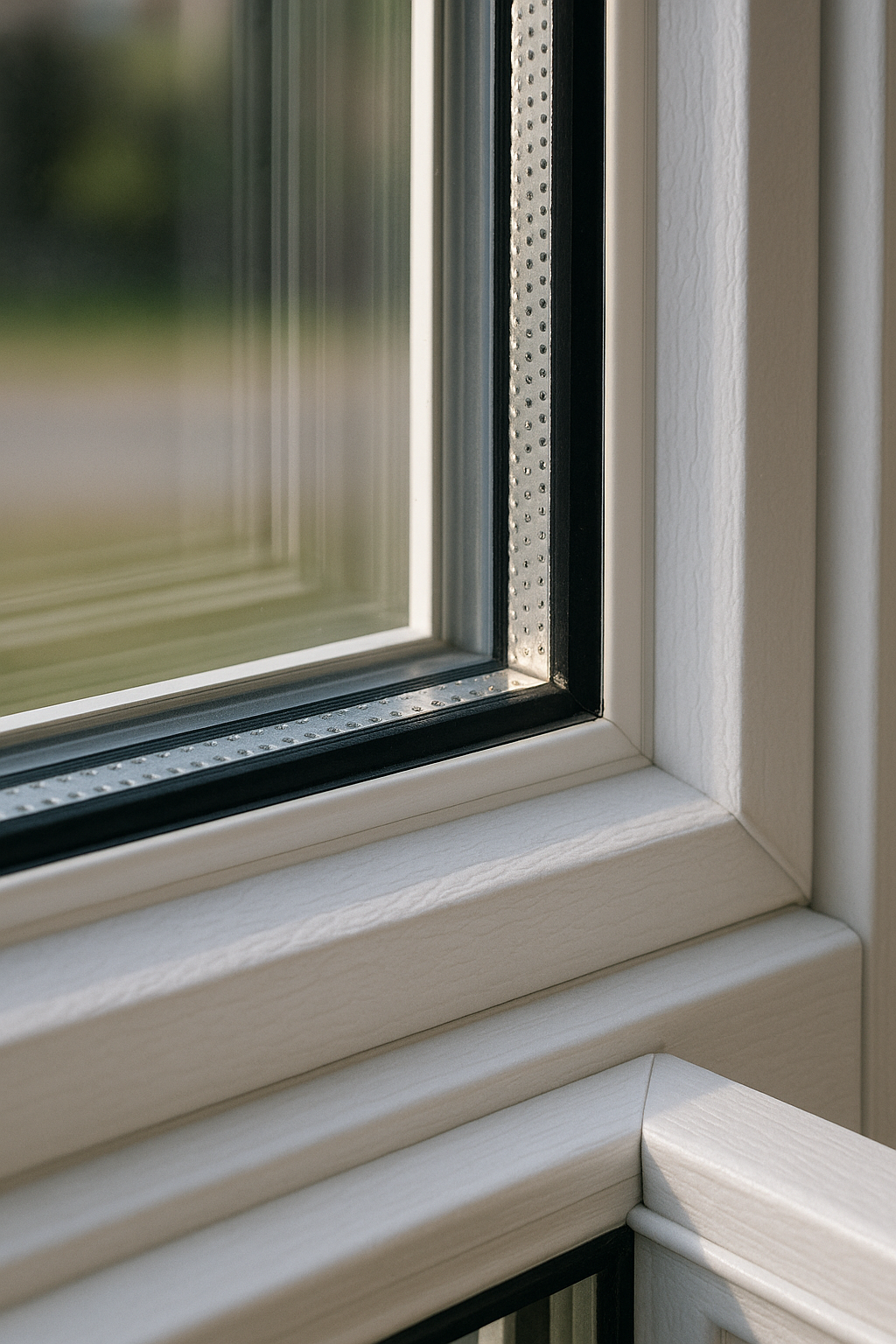
But if the cloudy patch stays there no matter how much you clean, and it looks trapped inside the glass, you’re likely dealing with a failed seal in the sealed glass package. The proper term is an insulated glass unit, or IGU. That’s the two or three panes built together at the factory with a spacer around the edge and gas between the panes.
- Wipes off? Surface moisture.
- Looks milky or hazy inside the glass? Failed seal is likely.
- Shows up more in sun, then fades a bit at night? Also common with a failed sealed unit.
- Tiny dirt spots or streaks you can’t reach? That points to moisture getting inside the glass unit.
Quick tip: hold your phone flashlight at an angle at dusk. Fog trapped between panes shows up fast that way, even when it hides during the day.
Step 2: Confirm a failed seal before you order anything
This is the part many people get wrong. They see a cloudy window once, assume the seal is gone, and start shopping. Slow down.

A true failed seal usually has a pattern. Haze between panes. A ring near the edges. Sometimes little mineral marks after moisture got in and dried out. In summer, the unit may look worse because humid air and heat make the problem more obvious. In winter, a cold snap can do the same.
Here’s a simple check we use on service calls: look at the window on a dry day, then again early the next morning, then once more in afternoon sun. If the cloudiness is trapped inside the glass in every condition, that’s a strong sign the seal has failed.
One more thing. Don’t confuse seal failure with drafts. You can have a fogged unit with no major air leak around the frame, and you can have a clear window that leaks cold air around the sash or trim. Two different problems. If you’re also feeling a draft, you may want to read our guide on window replacement vs repair because the glass may not be the whole story.
Step 3: Decide if glass-only replacement makes sense
If the frame is in good shape, glass-only replacement can be the smart move. That means replacing just the sealed glass unit inside the sash, not the whole window.

This option makes the most sense when the vinyl frame is square, the sash still operates well, the locks line up, and you’re happy with the window style. Maybe it’s one fogged bedroom window in an otherwise fine house. Maybe a fixed picture unit lost its seal but the frame still looks good. In those cases, a full replacement can be overkill.
But there are limits. We supply and install full vinyl windows, and we do not do glass-only repairs. I’m telling you that plainly because you deserve an honest answer, not a sales script. If all you need is glass-only, a glass shop that handles IGU swaps may be the right call.
Glass-only usually makes sense if:
- The fog is the only issue
- The sash opens and closes properly
- There’s no rot, warping, or soft trim around the opening
- You don’t have ongoing drafts or water stains
- The rest of the windows in the home are still performing well
Step 4: Know when full window replacement is the better bet
Sometimes foggy glass is just the symptom. The bigger problem is the whole unit.
I remember a January visit in East Gwillimbury. The customer called about one cloudy slider, but once we got there, the sash barely moved, the tracks were worn, and cold air was sneaking in around the frame. The sealed unit had failed, yes. But if we had only changed the glass, they still would’ve had a stiff, leaky window. That’s the sort of half-fix that annoys you every winter after.
Full replacement is usually the better choice if the window is older and you have more than one issue going on. Think fogging plus drafts, plus hard operation, plus outside noise, plus frames that look tired. At that point, replacing the whole unit starts to make more sense long term.
A new window also gives you the chance to change the style. For example, some older sliders are fine, but plenty of people move to casement windows because they seal tighter in winter. Not every style change is worth it, but sometimes it solves two problems at once.
Signs full replacement is probably worth the money
- The frame or sash is cracked, warped, or loose
- The window is hard to lock or won’t stay open
- You feel cold air around it in winter
- There is water damage around the trim or sill
- Several windows in the same area are failing
- You want better comfort, lower noise, or a different operating style
Step 5: Weigh the real trade-off, not just the price
People often ask me, "What’s cheaper?" Fair question. But the better question is: what fixes the problem once?

Glass-only replacement is usually less money up front than replacing the full window. That’s the obvious upside. The downside is you keep the old frame, old hardware, and old weatherstripping. If those parts are near the end, you may spend less now and more later.
Full replacement costs more because there is more material and more labour. But you get a new frame, new sealed glass, new moving parts, and a fresh installation. If your house in Barrie or Aurora gets hammered by winter wind, that extra reset can be worth it.
Here’s my rule of thumb. One fogged unit in an otherwise solid window? Glass-only is worth exploring. Fogged glass plus comfort issues? Start pricing full replacement.
If you’re in the GTA, York Region, or Simcoe area and want us to look at the whole picture, you can see our service area here. We’d rather tell you a full replacement is not worth it than sell you the wrong job. That’s just less grief for everyone.
Step 6: What to do next without losing a weekend to Googling
Take a few clear photos. One straight on. One from an angle. One of the full window, not just the fog. Then write down three things: does it draft, does it operate properly, and is this the only bad one?
That little checklist saves time. If it looks like only the sealed unit failed, call a local glass company and ask if they replace insulated glass units in your window type. If the window has bigger issues too, get a quote for full replacement so you can compare the real options.
And if you’re already seeing several aging units, don’t wait for every pane to go cloudy one by one. That slow parade gets expensive and annoying. You can contact us for a straightforward quote on replacement windows, and we’ll tell you if a full swap makes sense or if you’d be better off fixing only the glass elsewhere.
Foggy glass is annoying. No question. But it’s also a useful clue. Listen to what the window is telling you, fix the right thing, and you won’t have to think about it again during the next ice storm.