A couple in East York once told me they’d stopped using their front room because of the road noise. Nice room. Big window. But every bus, motorcycle, and early-morning delivery truck on the street came straight through the glass like it had a key.
They thought they needed “soundproof windows.” Fair question. People say that phrase all the time. Here’s the thing, though: no residential window makes outside noise disappear. But the right window package can cut it *a lot*—enough that the room feels like part of your home again instead of a waiting area beside traffic.
The main idea: glass matters more than people think
If you live near a busy road in Toronto, Vaughan, Markham, or on one of those faster roads in Barrie where the tire noise never seems to quit, your best window for noise control is usually not the one with the most panes. It’s the one with the smartest glass setup.
That usually means some mix of three things: different glass thicknesses, laminated glass, and in some cases triple pane. Not always all three. And not always in that order.
People often ask us, “Is triple pane the best soundproof window?” Sometimes. But if road noise is your main problem, I’d often take a well-built window with laminated glass and mixed glass thickness over a basic triple pane package that wasn’t chosen for sound.
What to prioritize if your house faces traffic
Start with what kind of noise you hear most. Low, steady tire hum is different from sharp sounds like horns, sirens, and that one modified exhaust that always seems to pass at 11:17 p.m. Different glass setups handle those sounds differently.
- First priority: a tight-sealing window style and good installation
- Second: laminated glass if noise is the top problem
- Third: different glass thicknesses to break up sound waves
- Fourth: triple pane if you also want better winter comfort and a bit more noise control
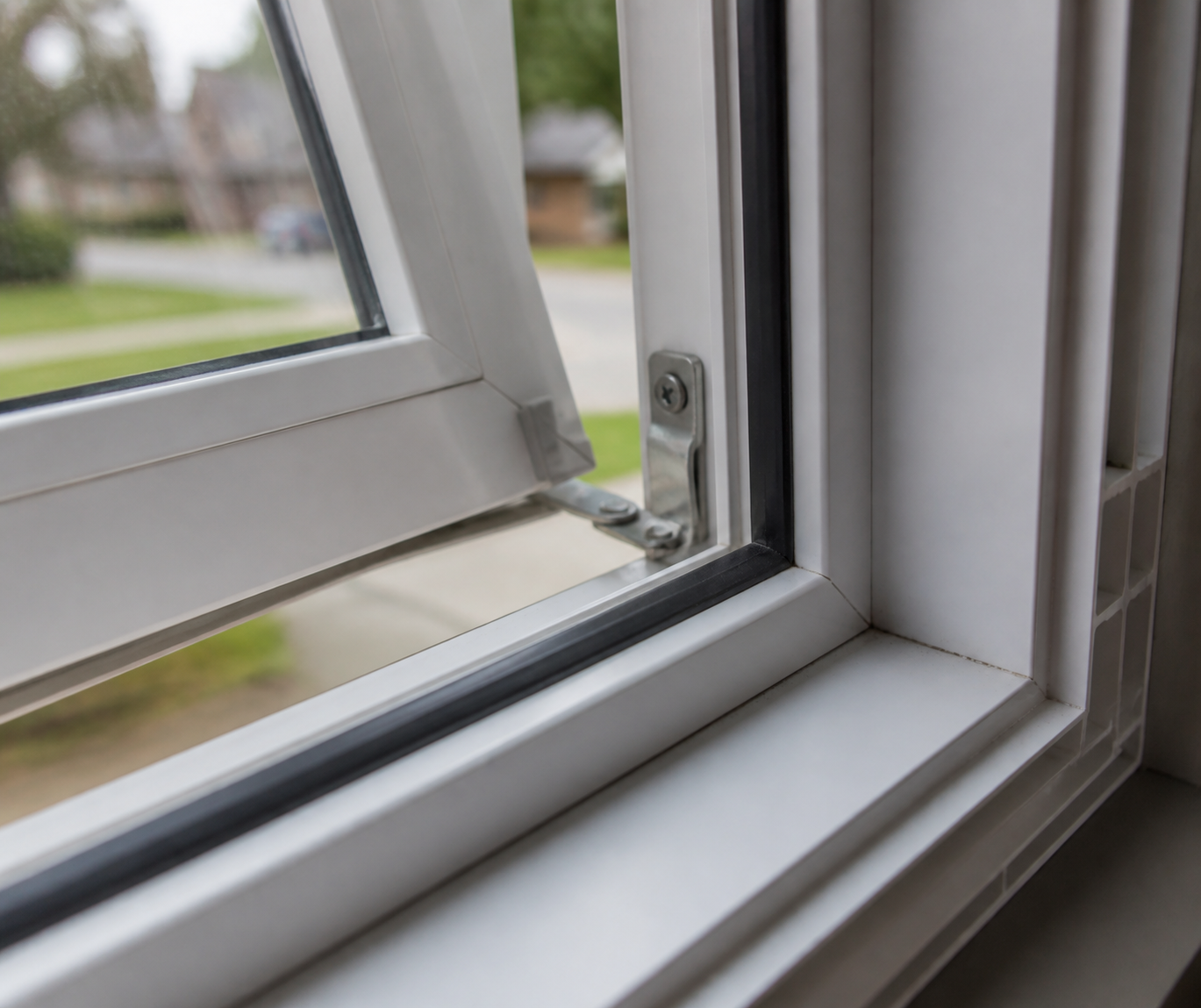
That first point matters. A lot. If the window leaks air, it will leak sound. A crank-open window that pulls tight against weatherstripping—like a casement window or awning—usually blocks noise better than a slider, because sliders have more meeting points and tracks. That doesn’t make sliders bad. It just means if sound is your top concern, the seal matters as much as the glass.
Best overall for road noise: laminated glass
If you want the most noticeable drop in outside noise, laminated glass is often the best place to spend money. This is two pieces of glass bonded with a thin plastic layer in between—the interlayer. That middle layer helps absorb and damp sound instead of letting it pass straight through.
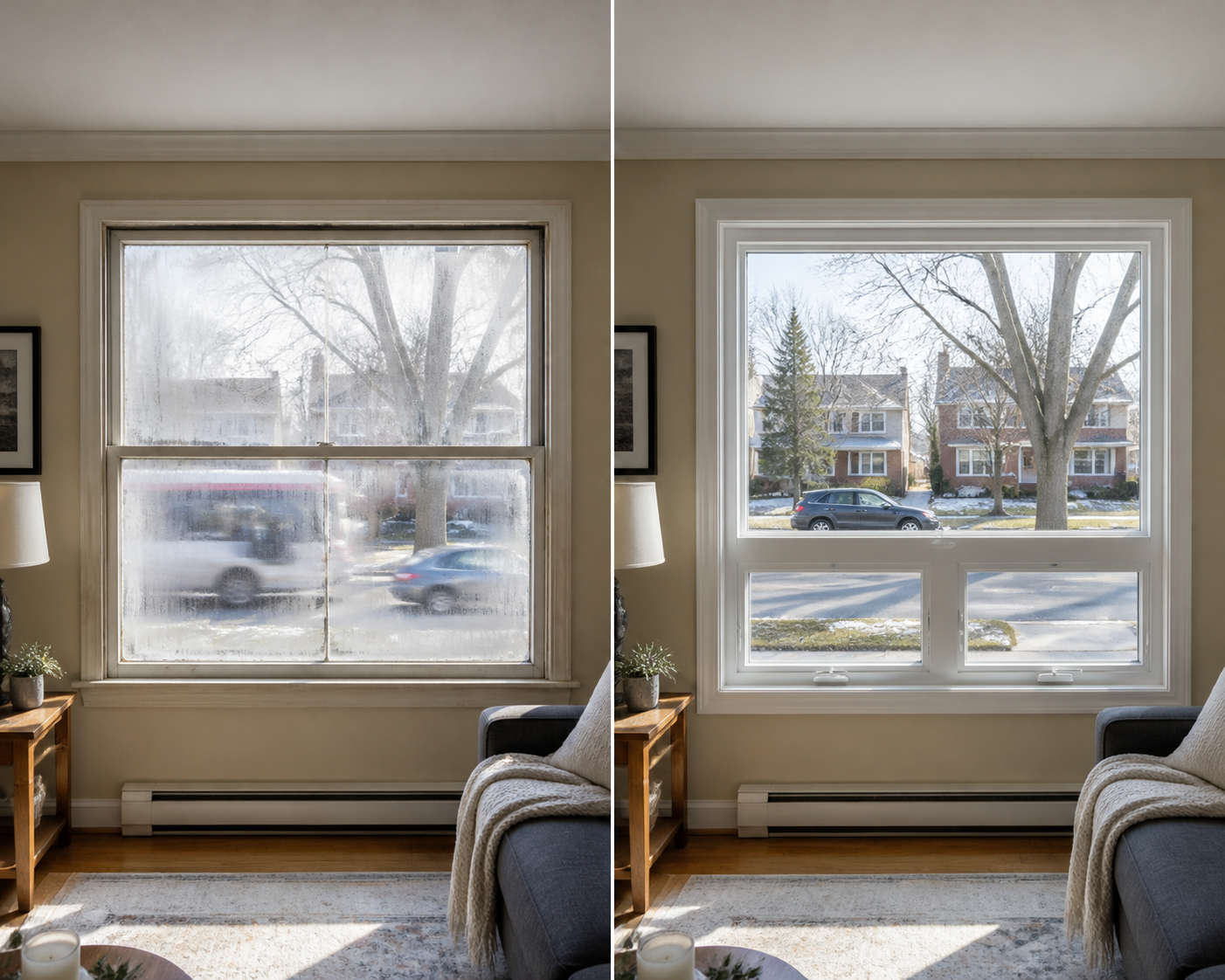
It’s especially good for the sharp, annoying sounds people remember most. Trucks shifting gears. Barking dogs. The bus kneeling at the stop. You still hear noise, yes. But it tends to lose its edge.
We did a job near Yonge in Newmarket where the front bedroom faced a steady stream of traffic. The customer expected triple pane to be the magic answer. After we talked it through, we went with a tighter-sealing operable window and laminated glass on the road-facing side. Her comment after a few nights was not technical at all, which is usually how you know the choice was right: “I’m not waking up at 5 a.m. anymore.” That’s the metric that counts.
Tip: If your budget is limited, put your best noise-control glass on the windows facing the road first. The back and side windows may not need the same package.
Most overlooked upgrade: different glass thicknesses
This is the part almost nobody asks about, and they should. Sound moves in waves. If both panes of glass are the same thickness, they tend to react to sound in similar ways. If the panes are different thicknesses, they break up and weaken those sound waves better.
That’s called dissimilar glass thickness in the trade. Fancy phrase. Simple idea.
For a house near a busy road, that can be a smarter upgrade than just saying “give me thicker everything.” More is not always better in a straight line. The mix matters.
This is one reason I’m careful with the phrase soundproof windows. People picture a giant studio wall. In real homes, better sound control often comes from smart layering, not brute force.
Where triple pane helps—and where it doesn’t earn its keep
Triple pane can help with noise. No question. You’ve got an extra pane, an extra airspace, and often a heavier overall unit. That can reduce outside sound. It also helps with winter comfort during Ontario cold snaps because the inside glass stays warmer.
But here’s my honest take: if your main problem is road noise, triple pane is not automatically the best answer on its own. A standard triple pane unit with equal glass thickness may improve things, but sometimes not as much as people expect for the added cost and weight.
Triple pane tends to make the most sense if you want both better sound control and stronger energy performance. If the room is cold in January, bakes in July, and gets blasted by traffic noise, then yes, triple pane belongs in the conversation. If the room is comfortable already and noise is the one thing driving you crazy, I’d look hard at laminated glass first.
If you want the broader energy side explained in plain English, we covered that in our guide to window energy ratings for Ontario. Different topic, but it helps make sense of the comfort side of the decision.
How I’d choose the best soundproof windows for your house
Here’s the simple step-by-step version we use on calls.
- 1. Figure out which rooms matter most. Bedroom? Nursery? Front office?
- 2. Check where the noise comes from. Front road, side street, nearby intersection, bus stop.
- 3. Choose a tighter-sealing window style where possible.
- 4. Ask about laminated glass first for the noisy side.
- 5. Ask about different glass thicknesses in the unit.
- 6. Add triple pane if comfort, winter performance, and noise reduction all matter together.
That order saves people money. It keeps you from paying for upgrades that sound impressive but don’t solve your problem as well as a more targeted package would.
The honest trade-offs
Nothing is free. Better noise-control glass can add weight, cost, and lead time. Triple pane units are heavier, so the frame and hardware matter. Laminated glass is excellent for sound, but it won’t turn Kingston Road into cottage country.
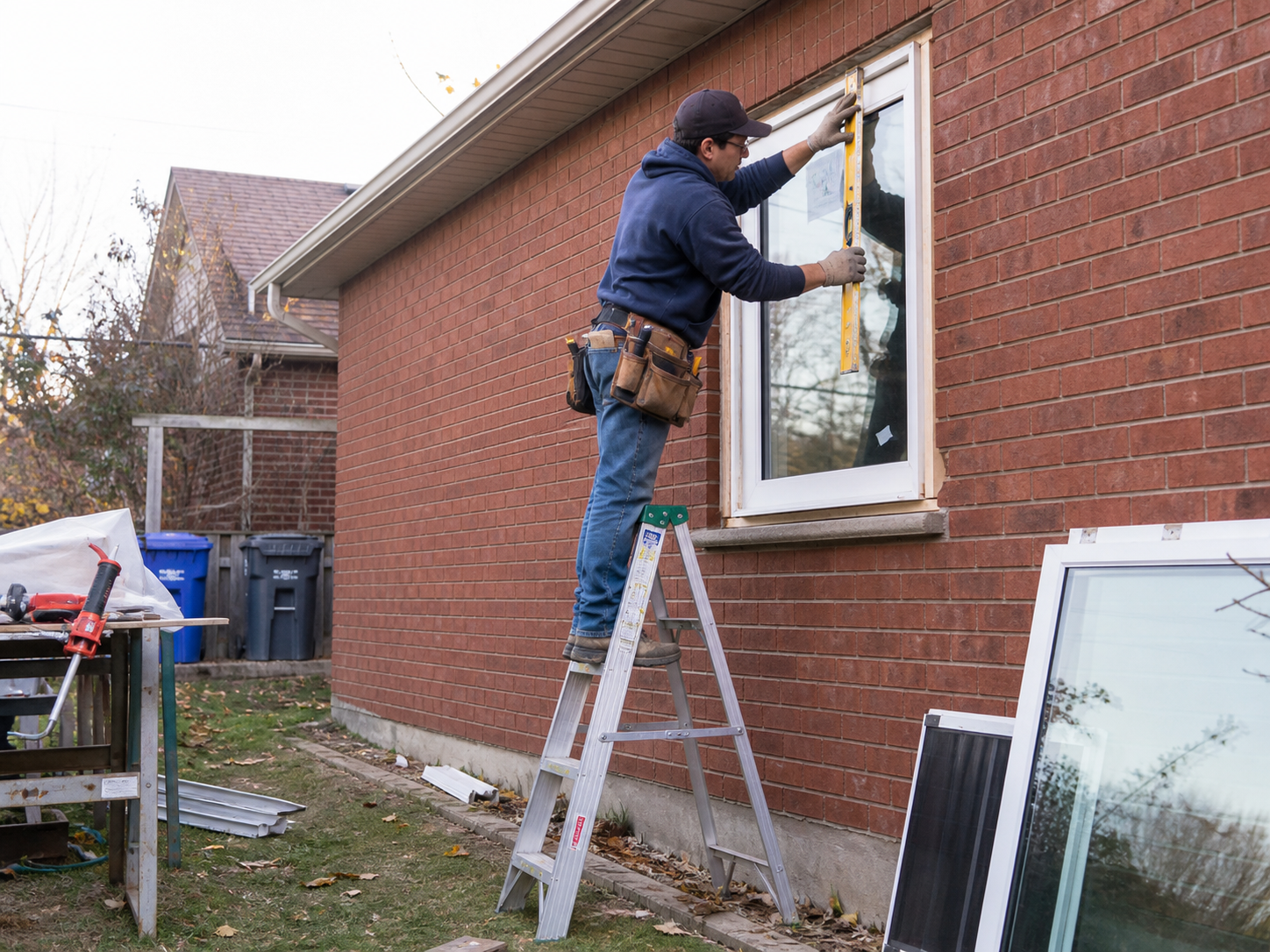
And installation matters more than most people realize. Even a strong glass package can disappoint if the installer leaves gaps, doesn’t insulate properly around the frame, or the old opening is out of square. We’ve seen that more than once on replacements where the previous job looked fine from ten feet away. Ten feet is generous, by the way.
If your current issue is mostly drafts and rattling plus noise, it’s worth reading about window replacement vs repair thinking in general—because once seals, frames, and operation are failing, better glass alone usually isn’t the full answer.
My plain-English recommendations
If you want the short version, here it is.
Relative Road-Noise Blocking by Glass Package
- Best overall for busy roads: laminated glass in a tight-sealing window.
- Best added upgrade: different glass thicknesses.
- Best for noise plus winter comfort: triple pane, ideally with a sound-focused glass setup.
- Best budget move: upgrade only the road-facing rooms first.
That’s the ranking I’d use for a detached house on a collector road in Scarborough, a townhouse backing onto a busier stretch in Richmond Hill, or a bungalow near one of Barrie’s higher-traffic corridors. The details change. The logic doesn’t.
If you’re comparing quotes, ask this exact question
Don’t just ask, “Are these soundproof windows?” Ask: “What is the glass makeup, are the panes different thicknesses, is laminated glass available, and which window style seals tightest for this room?”
If the answer is vague, keep digging.
If you’re in the GTA, York Region, or up toward Simcoe County and want us to look at your noisy rooms, you can contact us. We’ll tell you straight if the upgrade is worth it—or if your money is better spent somewhere else. I’d rather have that honest conversation than promise silence beside a four-lane road in February.