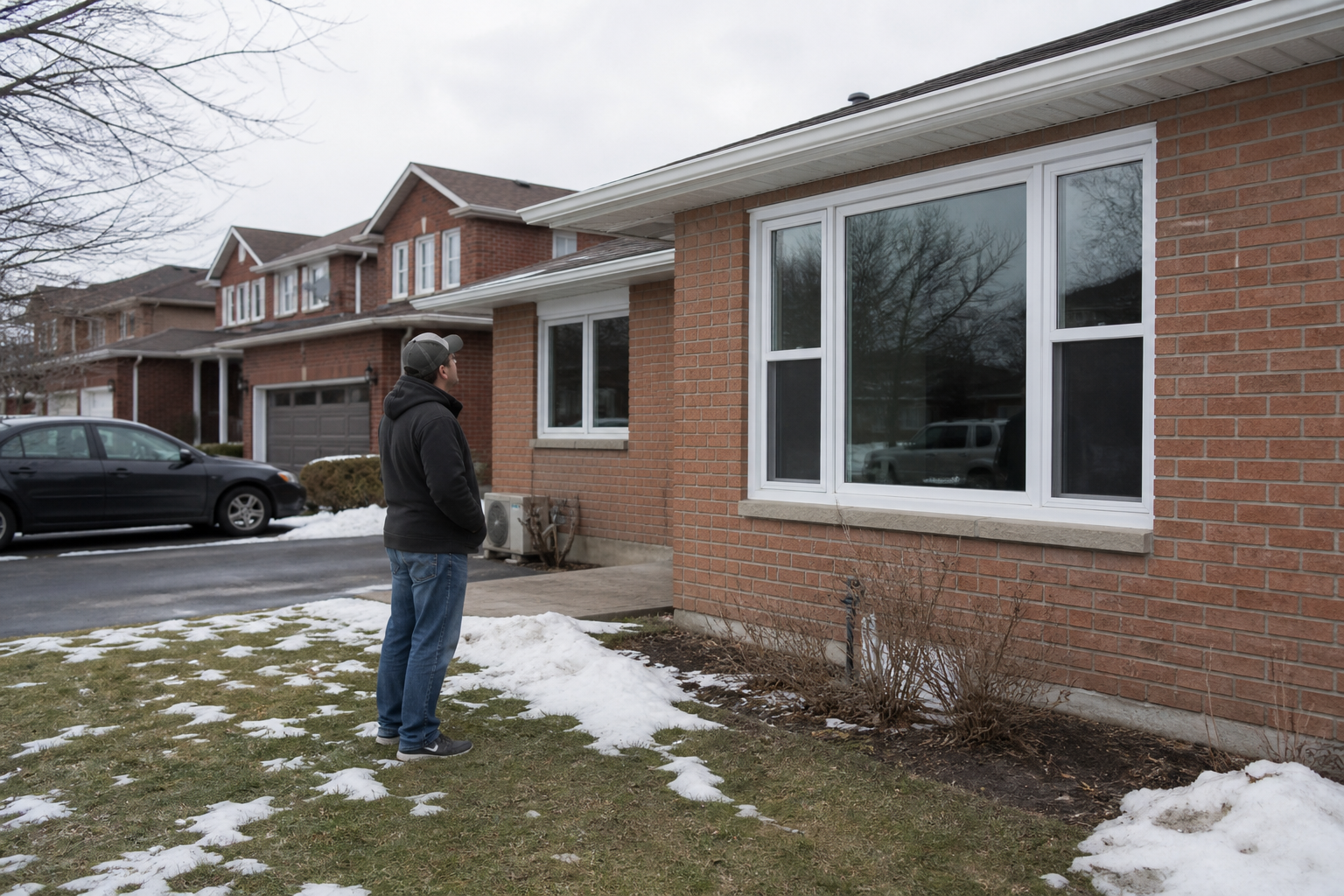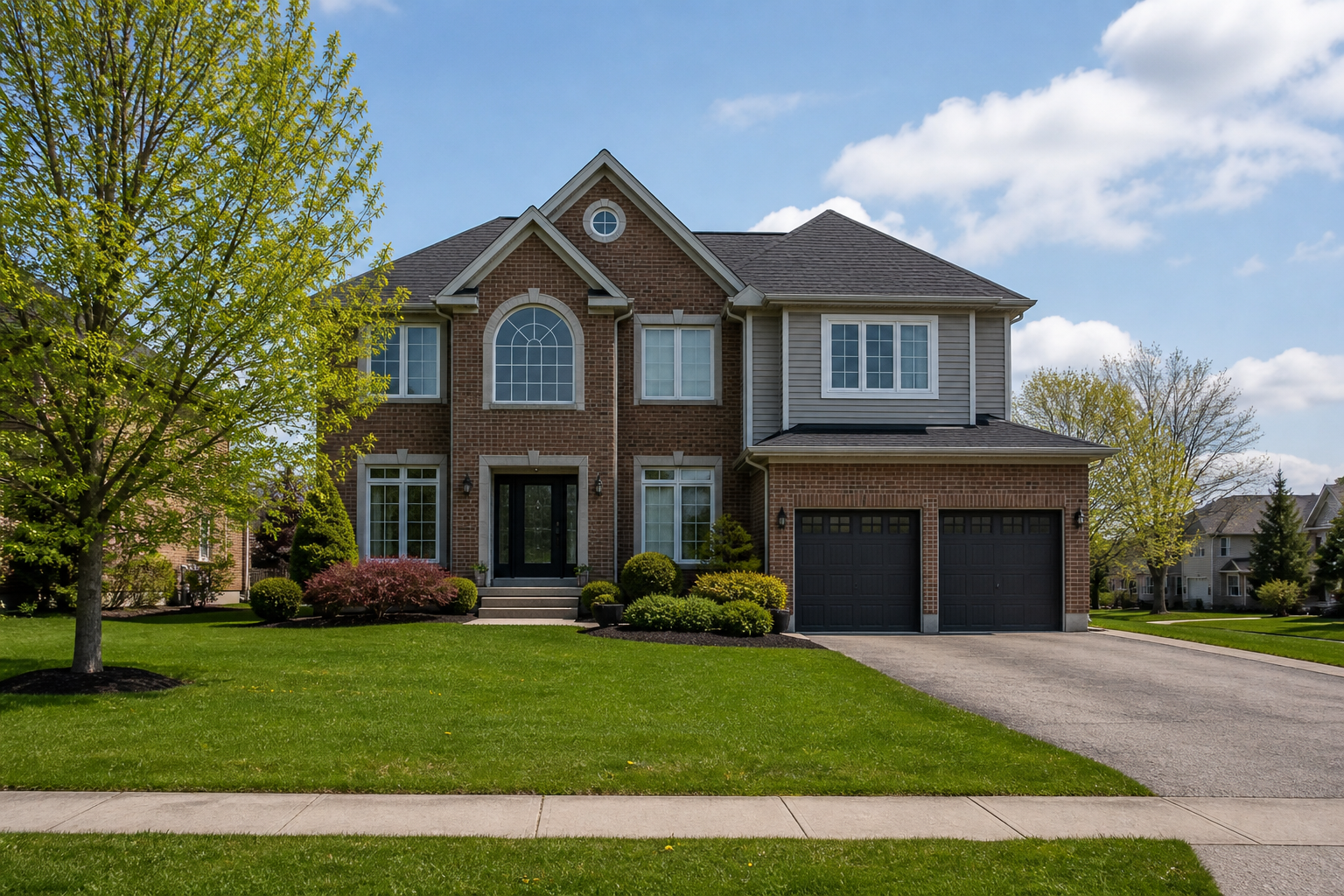
When homeowners hear the phrase “custom windows,” they sometimes picture an expensive luxury upgrade or a dramatic architectural feature. Sometimes it can mean that. But in most real homes across Toronto, York Region, and Simcoe County, custom simply means the window is built for your opening instead of forcing your opening to suit the window.
That matters more than many people realize. In older GTA homes especially, window openings are often not perfectly square, not perfectly standard, and not always friendly to off-the-shelf sizes. A custom-order vinyl window can be made to the right dimensions, the right style, and the right configuration so it fits properly, seals properly, and suits the home instead of looking like a compromise.
Custom usually starts with made-to-measure sizing
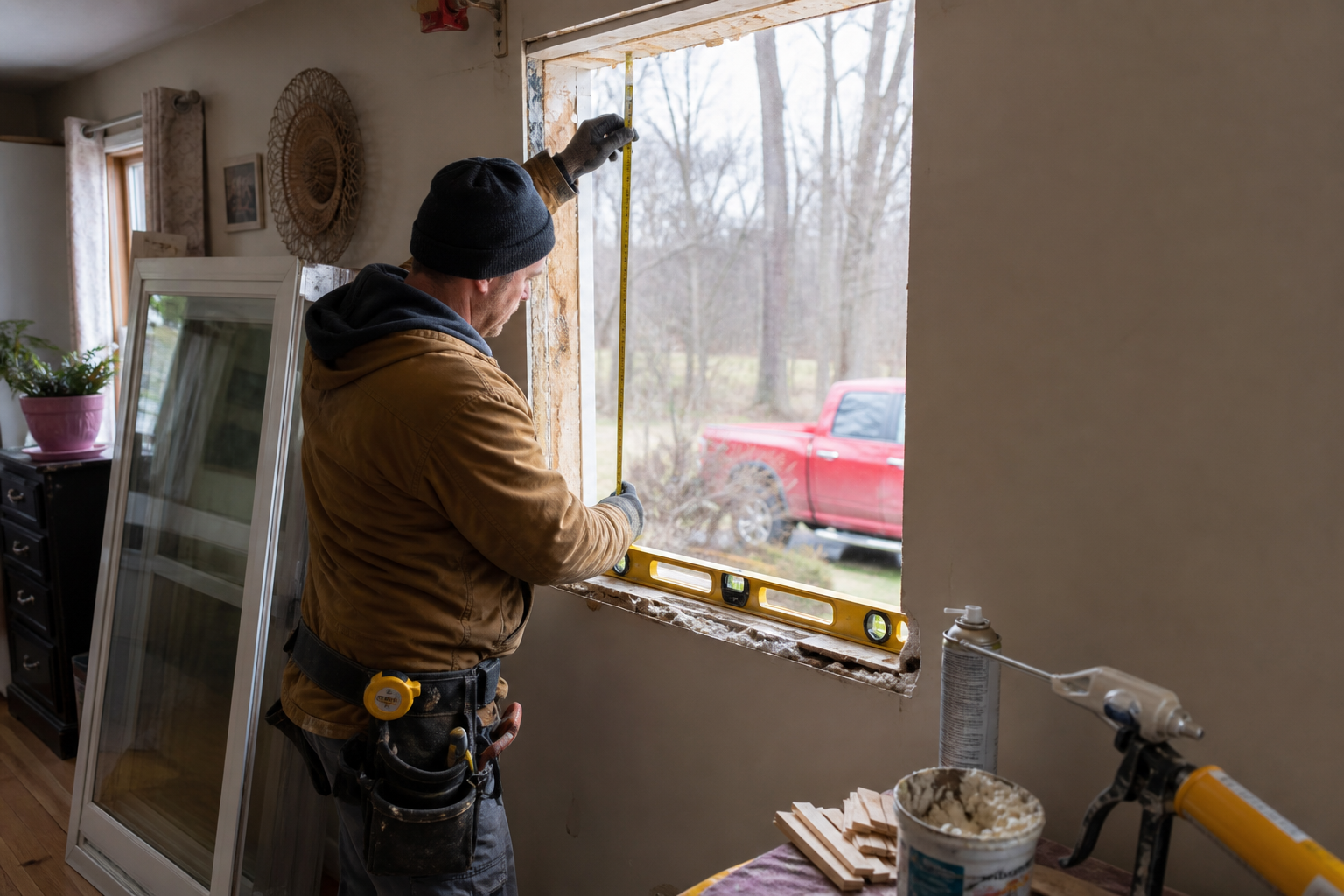
The most practical meaning of a custom window is simple: it is manufactured to the measurements of your specific opening. That sounds basic, but it solves a long list of common problems in older houses. Many homes built decades ago have settled a little over time. Framing may have shifted. Previous renovations may have altered the rough opening. Even two windows beside each other can be slightly different in size.
Stock windows are made in common sizes. They can work in some situations, especially in newer builds with highly consistent openings. But in older neighbourhoods across Toronto & the GTA, the reality is often less tidy. If a stock size is close but not exact, installers may need to fill larger gaps, reduce glass area, or add trim details to hide the mismatch. The result can look less original and perform less cleanly.
A made-to-measure window is ordered to fit the opening more precisely. That helps with air sealing, insulation, appearance, and operation. It can also preserve more of the visible glass, which homeowners appreciate when replacing older wood windows that already made the room feel a bit darker than they wanted.
Tip: “Custom” does not always mean unusual. A plain rectangular bedroom window is still custom if it is built to your exact opening.
Why stock sizes often fall short in older GTA homes
A lot of Southern Ontario housing was built long before today’s replacement window standards. Think post-war bungalows, 1970s two-storeys, century homes with updated additions, and brick houses that have been renovated more than once. These homes often carry little quirks that only show up when windows are being replaced.
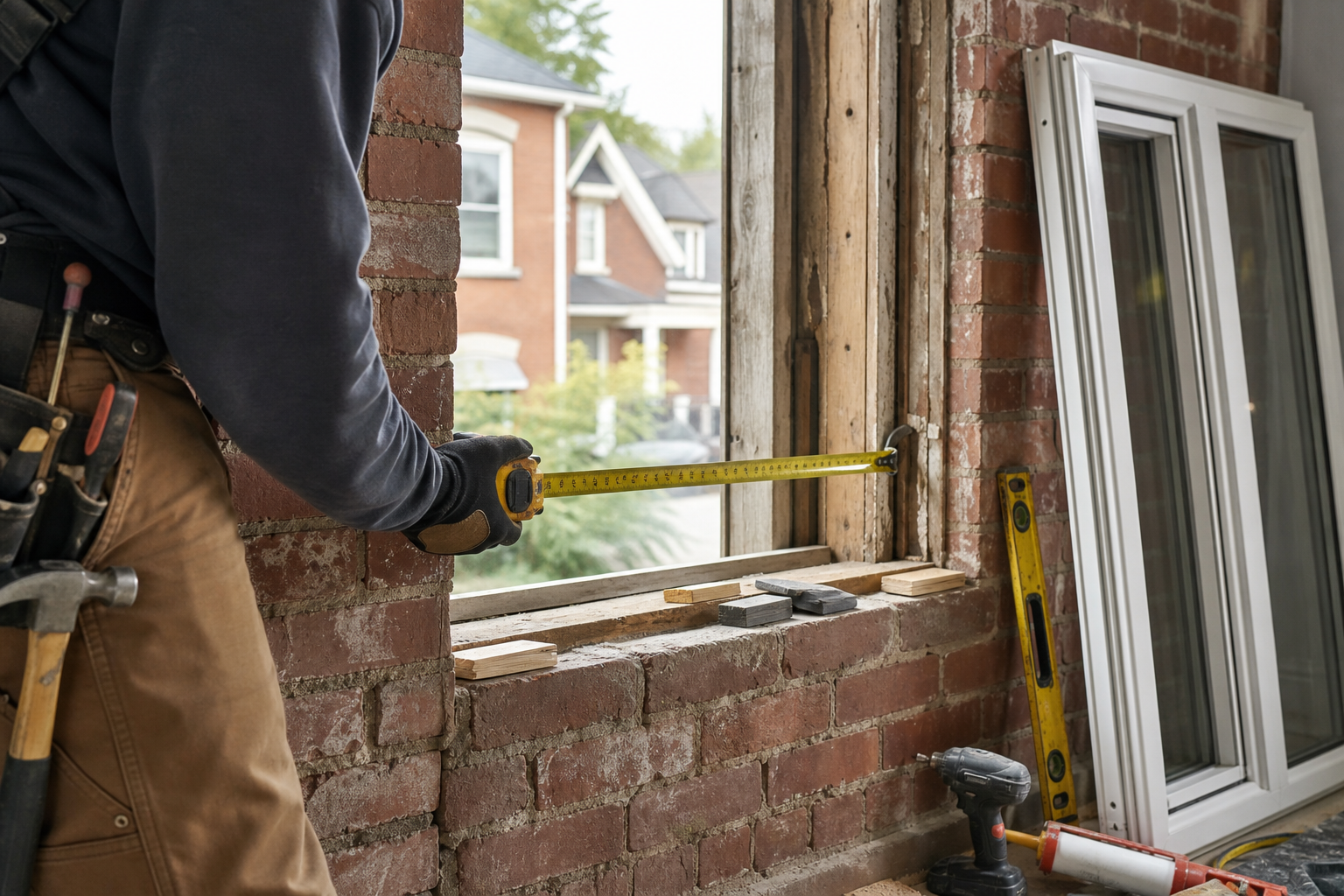
- Openings may be slightly out of square.
- Wall thickness can vary from one part of the home to another.
- Old frames may have been shimmed or patched over the years.
- Brick-to-brick dimensions may not match common modern sizes.
- Previous replacements may have reduced the opening already.
This is where custom-order tends to beat stock. Instead of adjusting the house around a standard product, the product is built around the house. That approach is often the cleaner long-term choice. It can reduce the need for bulky filler pieces and help the finished window sit more naturally in the opening.
It is also useful in communities beyond Toronto proper. In older homes across Newmarket & York Region and in cottages or houses around Barrie & Simcoe County, no two replacement projects are quite the same. Custom sizing gives more flexibility without turning the project into guesswork.
A better fit usually means a better finish
Homeowners tend to notice the final look first: even sightlines, tidy trim, and a window that does not look undersized for the opening. But the fit also affects day-to-day comfort. When a window is sized properly, it is easier to seal and insulate around the frame. In Ontario winters, that can make a real difference near seating areas, bedrooms, and kitchen sinks where drafts are most obvious.
Custom is also about shapes, styles, and how you use the room
Custom windows are not only about width and height. They also let you choose the style that best suits the room. A replacement can be built in a way that respects the home’s character while making everyday use easier.
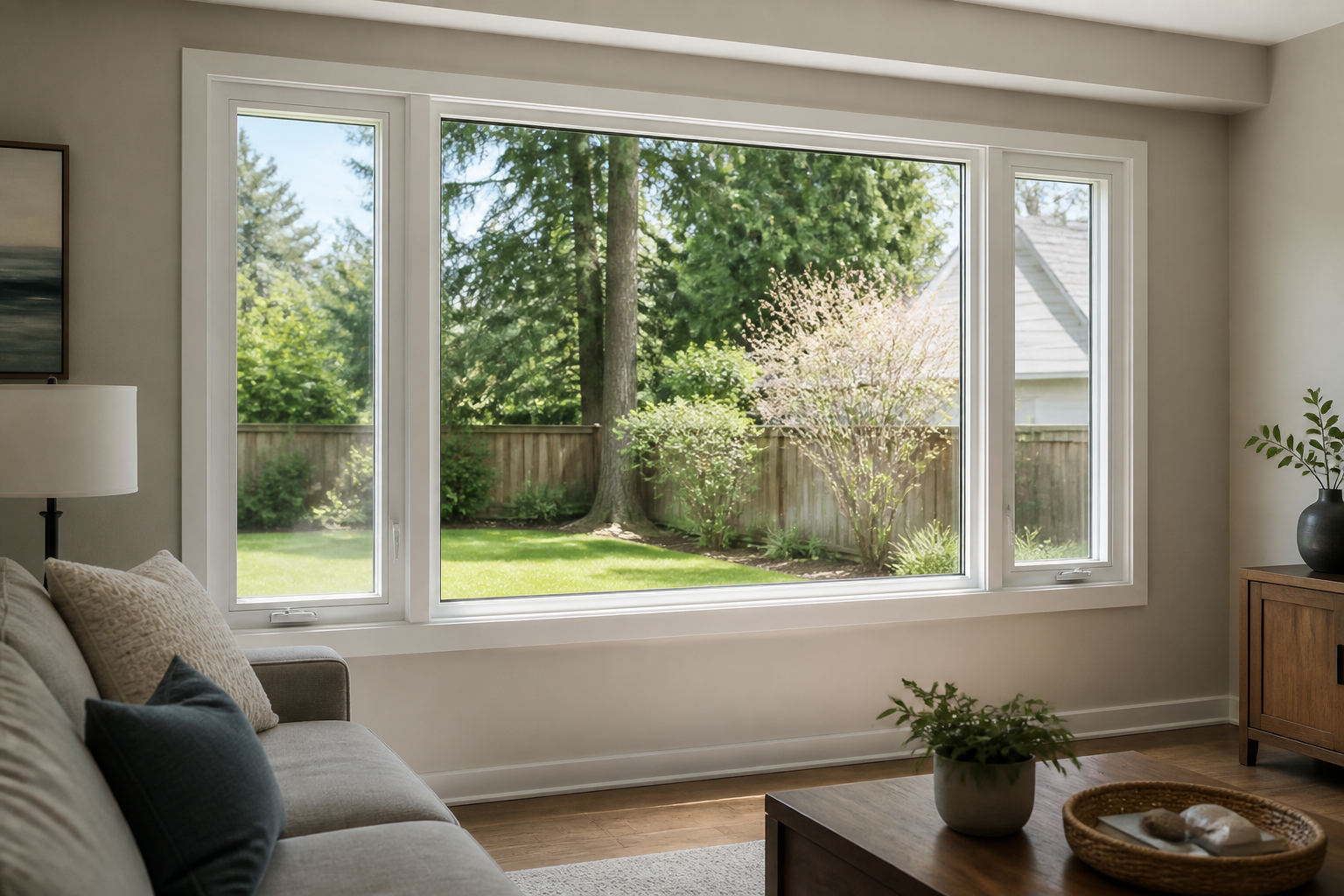
For example, many homeowners choose casement windows in bedrooms, living rooms, and kitchens because they open wide and seal tightly when closed. In a basement or bathroom, awning windows can be helpful where ventilation matters but privacy or weather protection matters too.
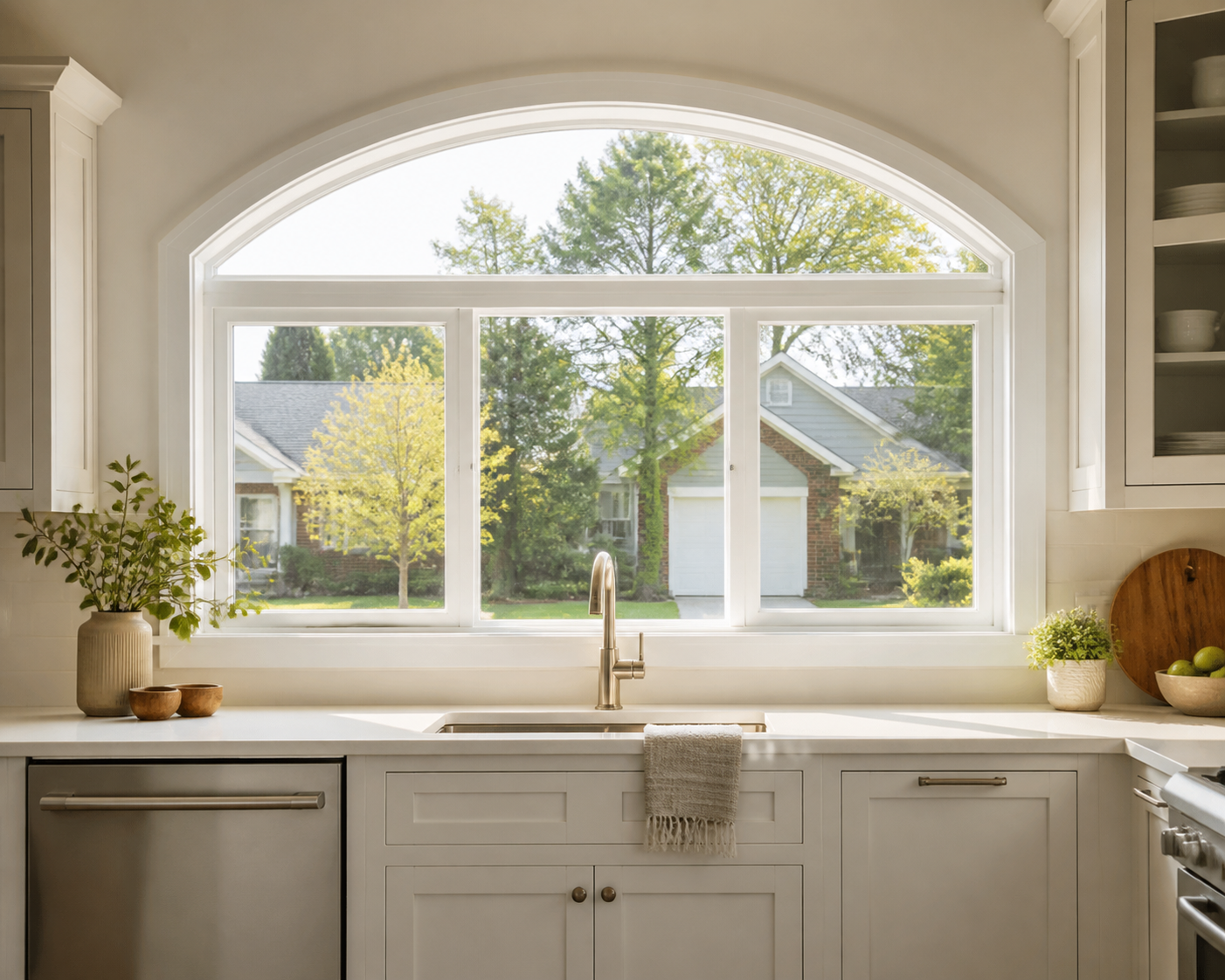
Sometimes the custom part is mostly visual. A front elevation may call for a large fixed centre pane with operating windows on the sides, or a curved or angled feature above the main level. In those situations, custom shaped windows can keep the architecture looking intentional instead of patched together.
- Rectangular replacement sizes tailored to each opening
- Large fixed units for more light and fewer visual breaks
- Combination units that mix fixed and operable sections
- Arched, angled, round, or other specialty shapes
- Configuration choices based on ventilation, furniture layout, and cleaning access
A good custom choice is not always the fanciest style. Often it is the one that opens comfortably, fits the room’s layout, and looks right from both inside and outside.
The options homeowners actually notice after installation
Once the size and style are chosen, custom windows also allow for practical option decisions. This is the part homeowners live with every day. The right options can make the windows easier to use, easier to clean, and better suited to the room.
Examples of practical custom choices
- Which sections open, and how far
- Interior and exterior colour choices to suit brick, siding, or trim
- Grille patterns that match the home’s original look
- Privacy considerations for bathrooms or side-yard windows
- Larger glass areas where you want more daylight
- Special shapes or grouped units for stairwells, foyers, or vaulted rooms
A simple example: in a family room facing the backyard, a homeowner may want one large fixed view window rather than three smaller stock units chopped up by extra frame. In a tight hallway, a smaller custom unit may be sized to fit neatly without crowding trim or interrupting built-ins. In a second-floor bedroom, the priority may be easy airflow and a style that works well with blinds and furniture.
That is why “custom” should not be treated like a marketing buzzword. It is really a way of matching the product to how your home is built and how your family uses each space.
When custom-order is worth it, and when it matters most
Not every home presents a big sizing challenge. But there are several situations where custom-order replacement windows are especially worthwhile.
- Your home is older and the openings vary even slightly
- You want to preserve as much glass area as possible
- The existing windows are unusual in shape or proportion
- You are replacing multiple windows and want a consistent exterior look
- You want a better match to the home’s original style
- You have rooms where comfort and draft reduction are a top concern
For many homeowners, the biggest advantage is avoiding compromise. A stock unit can sometimes become a chain of little trade-offs: more filler here, less glass there, a trim adjustment, a visual mismatch, a slightly awkward operating section. One compromise may seem minor. Several together can leave the finished project feeling just okay rather than clearly right.
Custom-order helps the window replacement feel like it belongs to the house. That is especially important on front-facing rooms, on homes with strong original proportions, and on houses where previous renovations have already changed enough.
What to ask before ordering custom windows
If you are comparing quotes, it helps to ask a few direct questions. Not all replacement approaches are equal, and clear answers can tell you a lot about how carefully the project is being planned.
- Are the windows being built to my exact measured openings?
- Will the replacement preserve glass area as much as possible?
- What style works best for airflow, cleaning, and furniture placement?
- Are there shape or configuration options that better suit the front of the home?
- How will the finished trim and exterior capping look on this particular house?
A good window company should be comfortable explaining these details in plain language. At WindowFixers, the focus is on supplying and installing windows that fit the home properly, not pushing one style on every opening. You can learn more about our company or contact us if you want a no-pressure quote and advice on what makes sense for your specific home.
In the end, custom windows are not really about making things fancy. They are about getting the right fit, the right look, and the right function for the house you already have. In older GTA homes, that often makes custom-order the sensible choice, not the extravagant one.