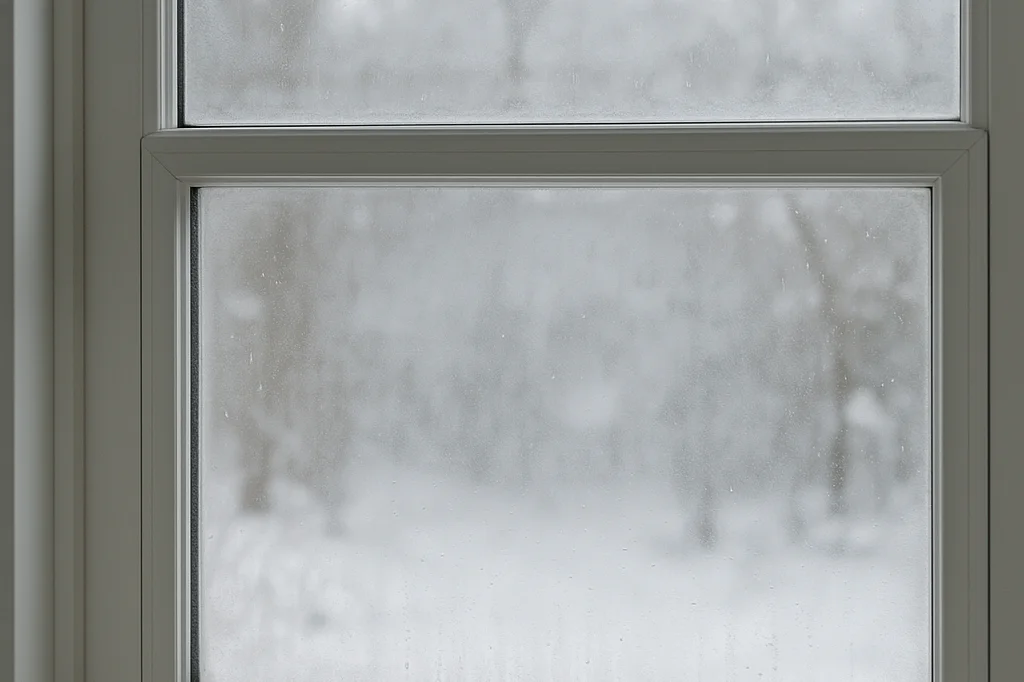

The call usually comes in January. One window won’t close right, another has a little puddle on the sill, and suddenly the whole house feels drafty. The strange part? Most of that trouble started months earlier with dirt, clogged drain holes, or dry hardware nobody thought about.
Here’s the thing: good windows don’t need babysitting, but they do need a little attention. A simple seasonal routine can buy you years of smoother operation and help you catch small issues before they turn into expensive ones. And the part most people get wrong isn’t the cleaning. It’s the tiny drain holes at the bottom.
One simple idea: keep water moving and parts moving
That’s the whole game. Keep water draining out. Keep moving parts clean and lightly lubricated. If you do those two things, you avoid a lot of the wear we see across Toronto, York Region, and Barrie after wet springs, pollen-heavy Junes, humid summers, and freezing January cold snaps.
I’ll give you my slightly contrarian opinion here: most people over-clean the glass and ignore the frame. But the frame, tracks, drain paths, weatherstripping, and locks are what decide how a window ages. Shiny glass is nice. A window that still closes properly after an ice storm is better.
Before you start: what to use and what to skip
- Use a soft cloth, a small brush or old toothbrush, warm water, and mild dish soap.
- Use a vacuum with a brush attachment for tracks and corners.
- Use a silicone-based spray for moving hardware. Not cooking oil. Not WD-40 as your long-term fix.
- Skip abrasive pads, bleach-heavy cleaners, and pressure washers.
- Have a wooden toothpick or cotton swab handy for clearing small drain holes.
Why so fussy? Because vinyl frames can scratch, weatherstripping can tear, and greasy products attract dust. The goal is light maintenance, not a chemistry experiment in your kitchen.
Tip: If you’re ever unsure about a cleaner, test a hidden corner first. If it leaves the surface tacky, cloudy, or brittle-looking, stop there.
Spring window maintenance tips: wash off winter and check drainage
Spring is the big one in Ontario. Snow melt, wind-blown grit, and all that black slush dust find their way into tracks and lower frame corners. If you only do one seasonal check, do this one.

- Vacuum loose dirt from the sill, track, and bottom corners first. Don’t rub grit around with a wet rag.
- Wipe frames with mild soap and water. Get into the corners where grime collects.
- Check the small drain openings at the bottom of the frame. These are the weep holes — little exit paths that let water drain out.
- Clear blocked weep holes gently with a toothpick or cotton swab. Don’t jam in a screw or nail and damage the path.
- Look at the weatherstripping — the soft seal around the sash. If it’s folded, brittle, or pulling away, make a note.
- Open and close each operable window once or twice. Listen for scraping, binding, or clicking that wasn’t there before.
A few years ago we were at a house in Newmarket where the owner thought one of her bedroom windows was leaking through the glass. It wasn’t. The weep holes were packed with dirt and maple seed fluff, so water had nowhere to go and started backing up inside the frame. Ten careful minutes fixed the immediate problem. That’s why I harp on this.
If your window styles slide, crank, or tilt in, this is also a good time to compare how they feel against each other. One stiff unit among several smooth ones usually means dirt, dry hardware, or early wear — not that the whole house needs new windows. If you’re still figuring out what style is easiest to live with, our pages on slider windows and casement windows show how the moving parts differ in day-to-day use.
Summer checklist: tracks, screens, and sticky windows
Summer brings humidity, dust, and swollen old wood trim in some homes. That can make a window seem like it suddenly got worse. Sometimes it did. Sometimes it just needs a proper clean.
- Remove screens if they come out easily and rinse them gently. Let them dry fully before putting them back.
- Clean slider or hung window tracks so sand and pollen don’t grind into the moving parts.
- Wipe the meeting rails and locking points — the spots where the sash comes together when closed.
- Check for insect nests or debris in exterior corners and drain areas.
- If a window sticks, don’t force it. Clean it first, then test again.
Quick honest note: if a window is still hard to move after cleaning, don’t keep muscling it. I’ve seen people bend hardware and even crack a sash trying to win an argument with a stuck slider. The better move is to stop and figure out whether it’s dirt, alignment, or a worn part.
Fall is the one that saves you trouble in January
If spring is about cleaning, fall is about prevention. This is when you want windows closing snugly before the first hard freeze.
- Clean away leaves, spider webs, and dirt from sills and bottom tracks.
- Clear weep holes again. Fall debris can clog them right before freezing weather.
- Lubricate moving hardware lightly: locks, hinges, crank mechanisms, and pivot points.
- Check that weatherstripping sits flat and makes contact all the way around.
- Lock each window once it’s closed. On many windows, locking helps pull the sash tight against the seal.
The light lubricant part matters more than people think. You want a thin film on the moving metal pieces — the hardware — not a dripping mess. On crank-style windows, that means the operator arms and joints. On sliders, it means the lock and any manufacturer-approved moving points, not flooding the whole track with oil.
My rule: if lubricant is wet enough to collect dust, you used too much.
Winter checks: what to do and what to leave alone
Winter window maintenance tips are shorter because cold weather is not the time for soaking frames or taking things apart. You’re mostly watching, wiping, and spotting trouble early.
- Wipe away interior condensation if you see it pooling on the sill.
- Make sure blinds and heavy curtains aren’t trapping damp air right against the glass all day.
- Don’t chip ice off vinyl frames or weatherstripping with a scraper.
- If a window is frozen shut, don’t crank harder. Warm the room, reduce moisture, and wait it out.
- Watch for new drafts around one unit only. That often points to a seal or closure issue worth checking.
And one thing people genuinely wonder about: does condensation mean the window failed? Not always. If the moisture is on the room side, that’s often indoor humidity meeting cold glass. If it’s trapped between the panes — inside the sealed glass unit — that’s different. We get into that in our guide on foggy window glass replacement, or you can just ask us what you’re seeing.
Red flags: maintenance won’t fix these
Some problems are past the point of a seasonal checklist. Better to know that now than waste a Saturday on false hope.

- Glass that’s foggy between the panes and never clears.
- A sash that’s warped, cracked, or visibly out of square.
- Locks that won’t line up even after cleaning and gentle adjustment.
- Water stains in the wall or trim around the window, not just on the sill.
- Rot in surrounding wood trim or a soft sill on an older opening.
That usually means you’re dealing with failed sealed glass, worn hardware, installation issues, or age. And to be clear, we supply and install full custom vinyl windows — we don’t do glass-only repairs. If your checklist turns up something bigger, you can reach us through our contact page and we’ll tell you plainly if it sounds like maintenance, service, or replacement territory.
The easiest routine to stick with
If four seasonal checks sound like a lot, here’s the stripped-down version I’d tell my own family to do:
- Spring: clean frames and tracks, clear weep holes, inspect seals.
- Fall: clear debris again, lubricate hardware lightly, test locks.
- Winter: wipe condensation and watch for new drafts.
- Any time: if one window suddenly behaves differently, don’t ignore it.
That’s it. No marathon deep clean. No miracle sprays. Just a small routine that keeps water flowing out and moving parts moving. Boring? A little. Effective? Absolutely.
Honestly, the best window maintenance tips are the ones you’ll do before there’s a problem. Put a reminder in your phone for late April and early October. Future you, standing in socks beside a warm, draft-free window in February, will be glad you did.