
I’ve had more than one customer point to a gorgeous big front window and say, “Let’s just do that style everywhere.” I get the instinct. It feels simpler. But it usually creates at least one annoying problem later — a kitchen window you can’t reach, a bathroom window that doesn’t vent well, or a bedroom window that looked nice on paper and feels wrong every day after.
Here’s the core idea in this window styles guide: don’t pick one window style for the whole house. Pick the right style for the job of each room. Light, airflow, privacy, cleaning, furniture placement, even which side gets hammered by January wind off the street — that’s what should drive the choice.
What to prioritize before you choose any style
Start with the room, not the catalogue. Ask four plain questions: Do you need airflow? Do you need an easy clean? Will something block the window, like a sink, deck railing, or sofa? And is the main goal light and view?
That sounds obvious, but people skip it all the time. In Aurora last fall, we replaced a set of builder-grade sliders in a kitchen where the homeowner had been leaning over the sink for years to force one sticky sash open. She thought she needed “better quality sliders.” What she needed was a style change. We put in a crank-open window — a casement — and the problem disappeared.
Quick tip: if you can only remember one thing, remember this — operable windows are for airflow, fixed windows are for view, and the best houses use a mix.
And one deeper point people genuinely wonder about: does style affect comfort, or is that all about the glass? Both matter. The glass package matters, yes, but the moving parts matter too. Think of the frame and sash like the lid on a cooler. A good seal around an operable window helps a lot in Ontario cold snaps. Some styles simply seal tighter than others.
Best window style for the living room: picture, often paired with casement
If your living room is where you want light, sky, trees, and a less boxed-in feel, picture windows usually win. A picture window doesn’t open, so there’s no hardware or moving sash taking up glass area. More glass. Better view. Cleaner look.
But a fixed window on its own can make the room feel dead if there’s no fresh air. That’s why I often like a picture window in the middle with casement windows on the sides. You get the big view plus ventilation on nice spring days.
Trade-off? Picture windows don’t ventilate, obviously. And if your front room faces a busy road in Toronto or Vaughan, a huge clear pane can make you feel more exposed at night unless you’re planning proper coverings.
Best window style for the kitchen: casement or slider, depending on reach
Over the sink, I usually lean casement first. You turn the handle, the sash swings out, and you’re not trying to lift or shove anything with wet hands while half-reaching over a faucet. It’s just easier.
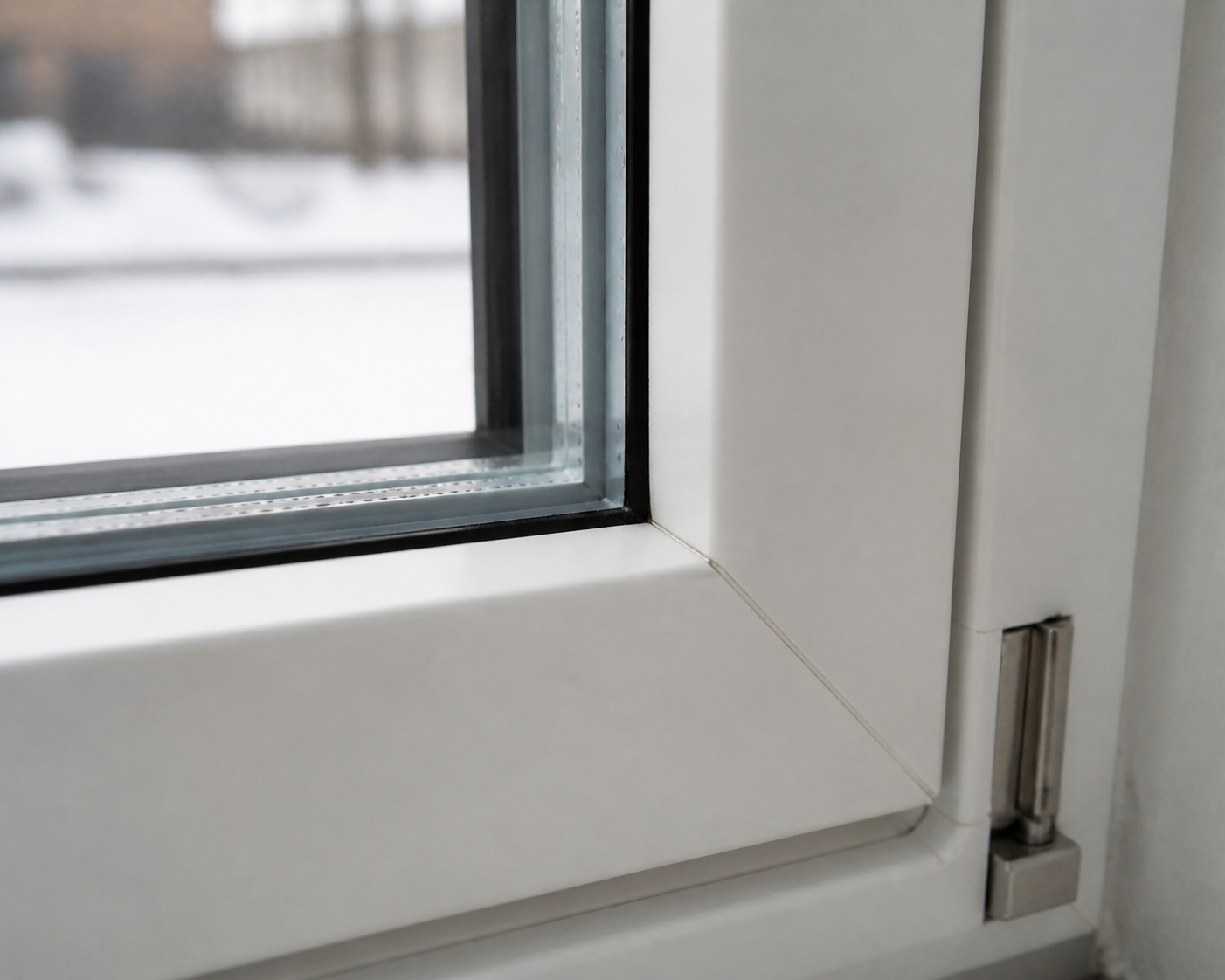
Casements also tend to seal tightly because the sash presses into the frame when locked. That compression seal matters on windy winter nights. If you want more detail on that style, here’s our page on casement windows.
A slider can still make sense in a kitchen if there’s a deck, walkway, or barbecue area outside where you don’t want a sash swinging out into traffic. Sliders are simple. They’re also common in bungalows across Scarborough and older homes in Barrie where wide, lower openings are part of the original layout.
- Pick casement if the window is hard to reach and you want the easiest opening action.
- Pick slider if you need the window to stay within its own frame and not swing outward.
- Skip hung windows over a deep sink unless you’ve tried the motion yourself. Some people hate it after week one.
Best window style for the bathroom: awning, with privacy in mind
Bathrooms need two things: privacy and quick venting. That’s why awning windows are often the best fit. They hinge at the top and push out from the bottom, so you can vent steam while keeping a bit more privacy than a big clear side-opening unit.
They’re also handy in light rain. Not a miracle, but better than many people expect. In a humid July week, that matters.
The catch is size. Awning windows are often smaller, so if the bathroom already feels dark, you may want to pair the style with brighter glass choices or a larger opening if the wall allows it. And if the window sits right above a tub with little clearance, hardware placement matters more than people think.
Best window style for the bedroom: hung or casement
Bedrooms are where personal habits matter most. If you like a classic look, especially on older Toronto homes or brick two-storeys in Richmond Hill, hung windows fit well. A hung window moves up and down instead of side to side. Single hung means one moving sash. Double hung means both move.
People often choose hung windows for appearance, and that’s fair. They look right in certain homes. They can also work well with window coverings and furniture placement.
But if your main goal is airflow and a tight seal, casement often performs better. It can catch side breezes nicely, which is no small thing in a second-floor bedroom that gets stuffy in August.
One honest note: if this is a basement bedroom, style is not just about looks. Egress rules matter. We covered that separately in our guide to egress windows in Ontario.
Best window style for the basement: slider, often for practicality
Basements are not glamorous. They are practical. That’s why sliders often end up being the best answer down there. They fit well in wider, shorter openings, which is what many basements already have. They’re easy to operate. And they don’t swing into window wells the way some outward-opening styles can.
If the basement is finished and you want more light, a larger slider or a picture-and-operable combo can make the space feel less like, well, a basement.
The trade-off is that sliders usually don’t seal as tightly as a good casement. Not bad — just different. If that basement wall gets the full blast of winter wind, we pay close attention to the overall opening and installation details.
Best window style for the dining room or front of the house: bay or bow if the house suits it
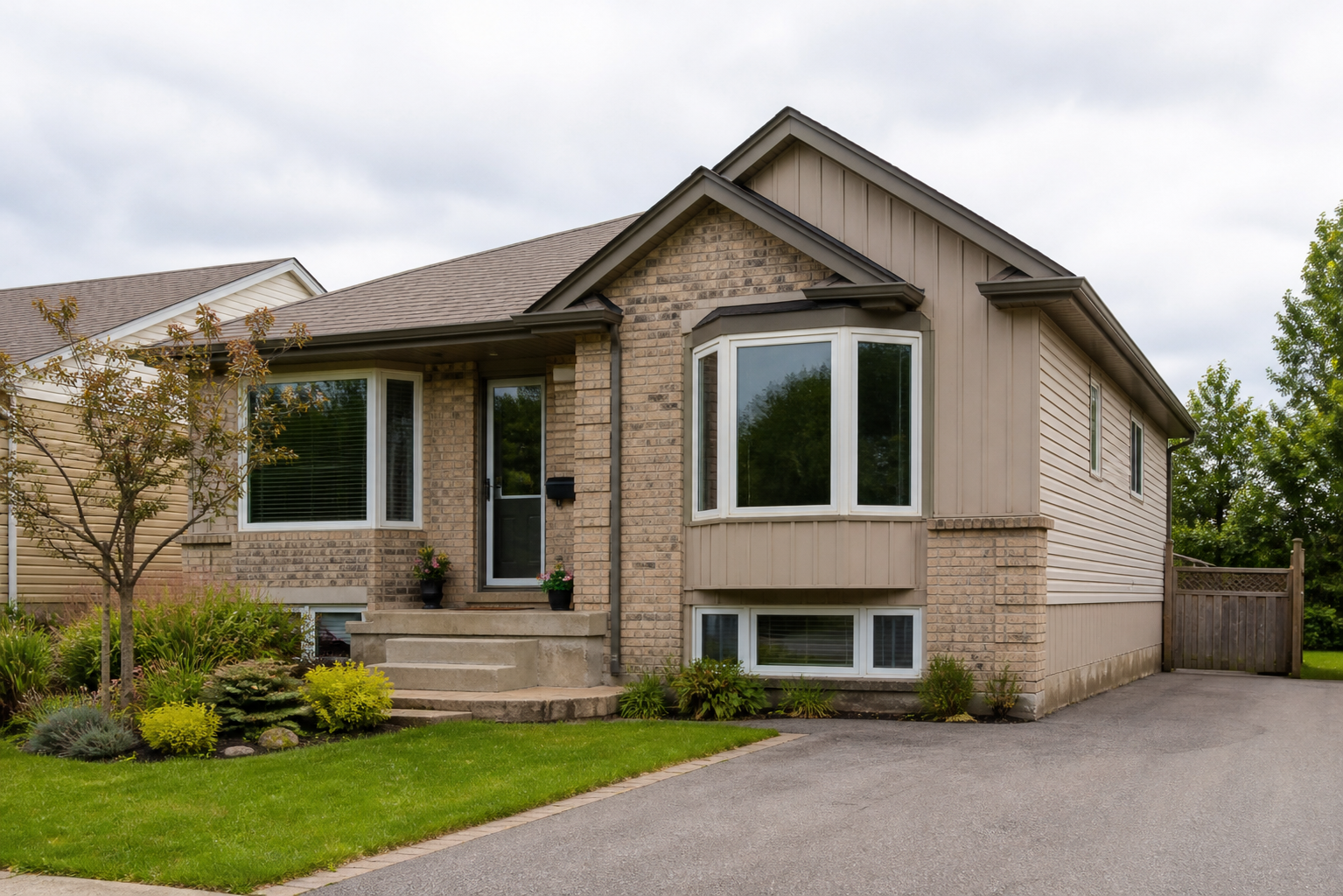
Bay and bow windows are less about raw function and more about changing the feel of a room. They push outward, bring in more light from angles, and can make a dining room or front sitting room feel bigger than it is.
Done well, they look fantastic from the curb. Done badly, they can look like an add-on from another house. That’s why I’m picky about where they go. They suit some detached homes in places like Markham, Newmarket, and older Barrie neighbourhoods better than narrow urban facades where proportions are tight.
They also cost more than simpler styles because the structure and installation are more involved. Worth it sometimes. Not worth forcing, just because you saw one online with a cute reading bench.
The whole-house mistake that costs people money
Here’s the mistake: choosing one style for every opening to save decision time. I understand it. Decision fatigue is real. But the savings are often smaller than people expect, and the daily annoyances can last 20 years.
Relative Airflow Potential by Window Style
We learned this the hard way on one job years ago in East York. The owner wanted every rear window to match perfectly from the yard. Clean look. Fair enough. But one bathroom ended up with a style that looked neat outside and vented poorly inside. We fixed it later, which meant extra labour and a not-fun conversation. Since then, I push harder for room-by-room choices. A little less symmetry. A lot more sanity.
The best window styles guide is not the one with the prettiest chart. It’s the one that helps you avoid living with the wrong motion, the wrong venting, or a window you have to wrestle every time you open it.
My simple room-by-room picks
- Living room: picture window, often with casements beside it
- Kitchen: casement first, slider if outward swing is a problem
- Bathroom: awning for venting and privacy
- Bedroom: hung for traditional look, casement for airflow
- Basement: slider for practical fit in low, wide openings
- Dining room or front feature area: bay or bow if the house style supports it
If you’re replacing several windows at once, don’t overcomplicate it. Pick the best style for each room’s job, then make sure the sightlines, frame colour, and grille pattern still feel consistent across the house.
And if you want a second set of eyes on your layout, send us photos through our contact page. I can usually tell pretty quickly where a style swap will make your day easier — and where it’s just spending money for no good reason.