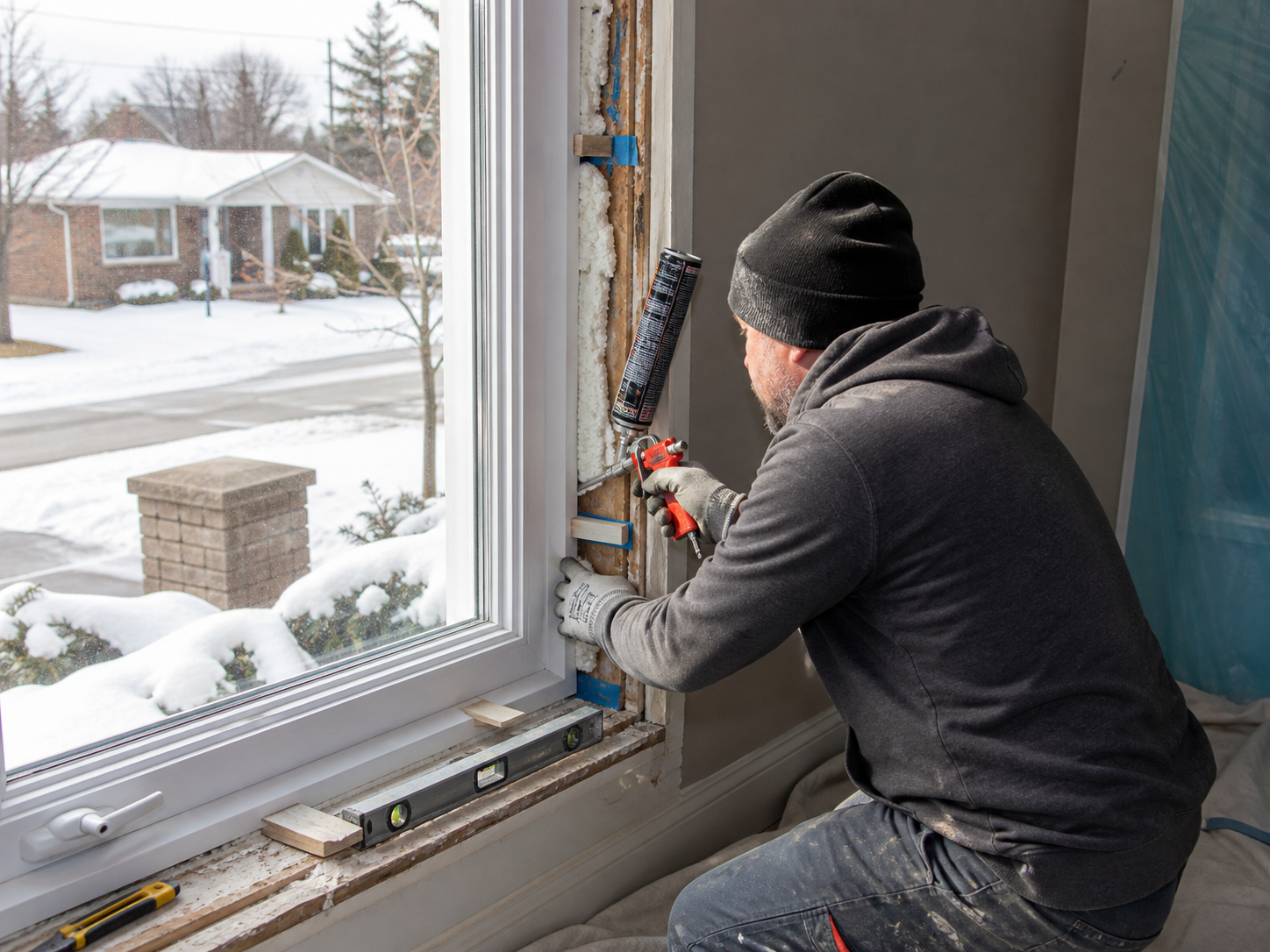

The first clue is usually not frost on the glass. It’s that one chair by the window you stop sitting in by mid-November because your shoulder gets cold.
I hear the same thing every fall from people in Toronto, Newmarket, Aurora, Barrie. “Can you just tune these up for winter?” Sometimes, yes. Sometimes a ten-dollar fix helps. And sometimes the part most people get wrong is this: they keep sealing and patching a window that already gave up years ago.
Good winter window preparation is not about doing everything. It’s about checking the right things now, before the first January cold snap and before installers get buried in last-minute calls.
Start outside. That’s where the trouble usually begins.
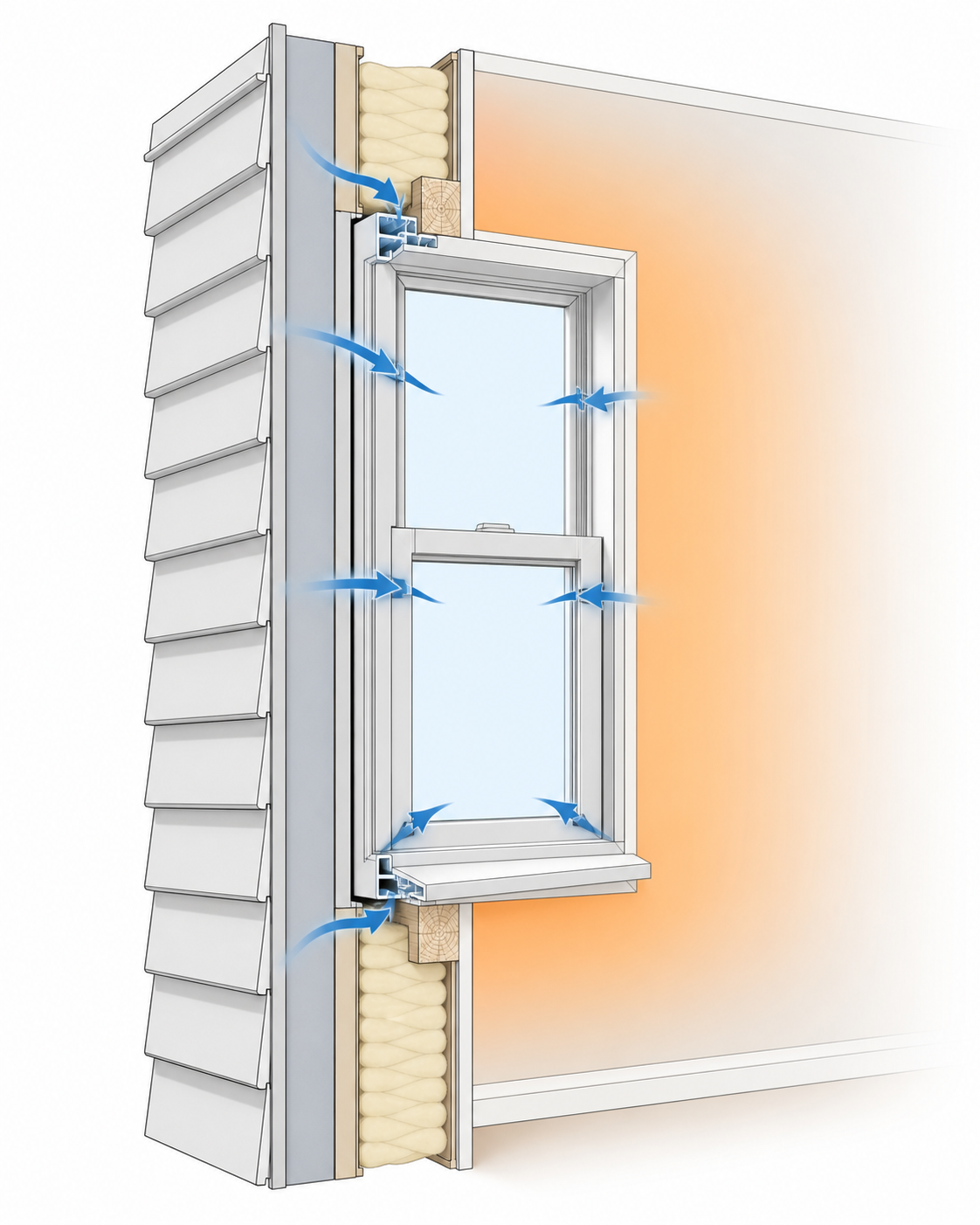
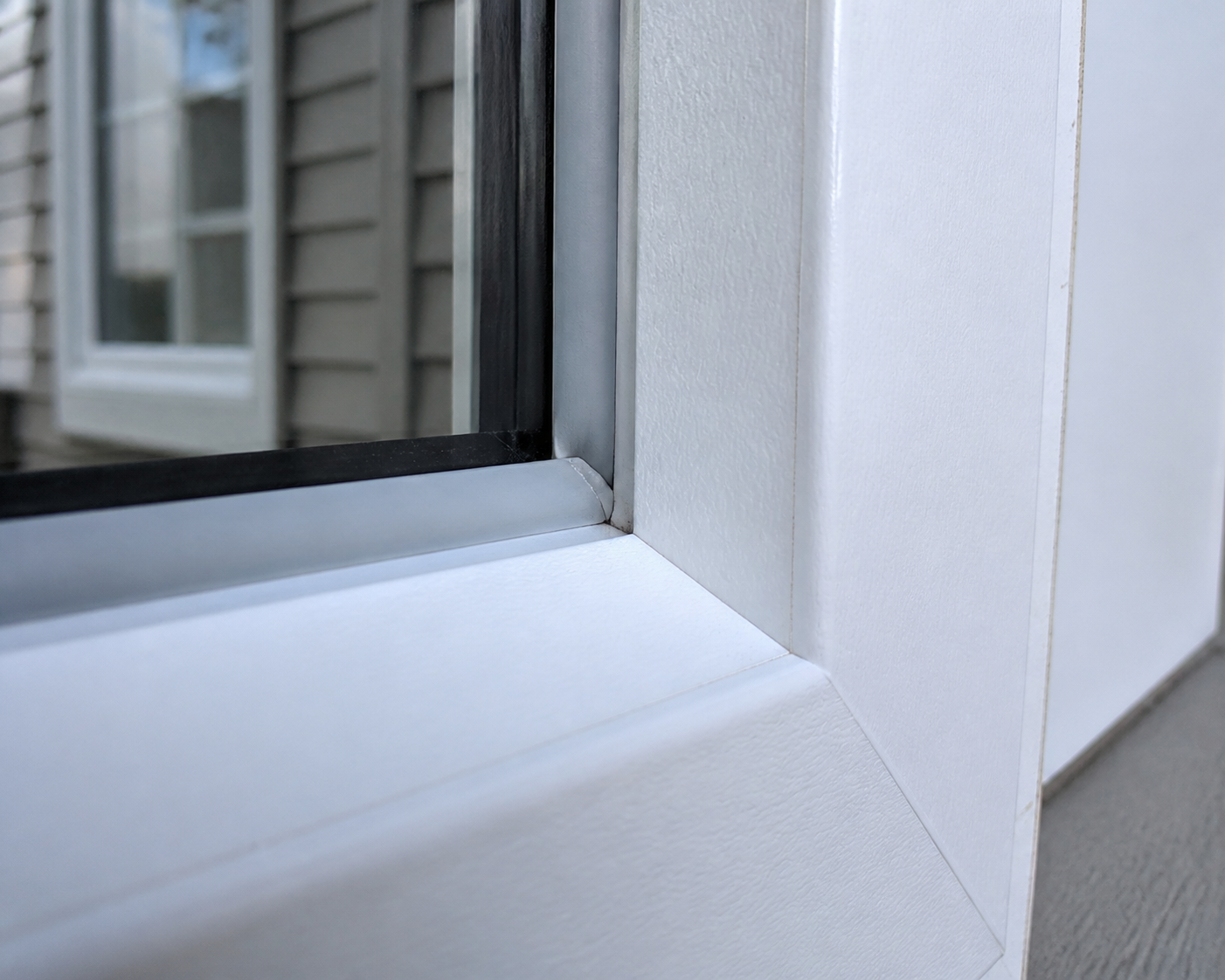
If you only do one lap around your house this week, do it on a cool, dry day and look at the outside of each window first. Most drafts people blame on “bad glass” are not the glass at all. They come from dried-out caulking, cracked trim joints, or old weather seals shrinking after years of sun and freeze-thaw.
On a brick bungalow in East York last October, I had a customer ready to replace three front windows because the living room felt freezing. The glass was fine. The problem was a failed bead of exterior caulking along the top and a stiff lock that was keeping one sash from pulling in tight. Two small fixes. Big difference.
- Look for cracked or missing caulking around the outer frame.
- Check if any trim or capping has pulled away at a corner.
- Make sure drainage holes at the bottom are not packed with dirt or paint.
- See if one sash looks slightly crooked or doesn’t close snug to the frame.
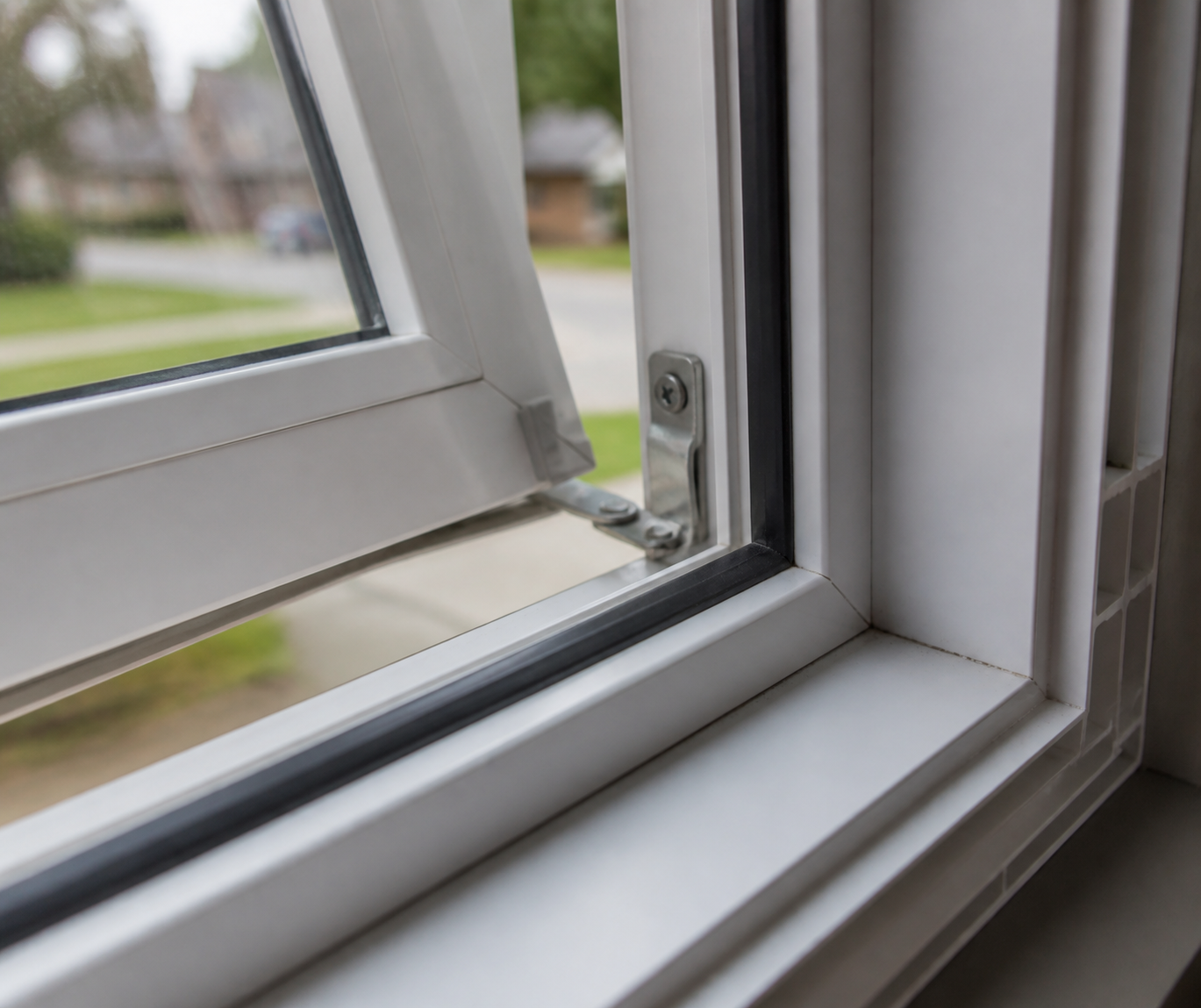
That last one matters. The strip that compresses when the window shuts is the weatherstripping — basically the soft seal that blocks moving air. If the sash isn’t meeting it evenly, cold air finds the gap fast once the wind picks up.
Inside checks that tell you what kind of problem you have
Now go room by room. Don’t overthink it. Open, close, and lock every window. If one drags, won’t lock without a shove, or springs back a little, pay attention. A window that doesn’t operate properly also usually doesn’t seal properly.
Then look at the glass itself. Condensation on the room side during a cold spell can be normal if your indoor air is humid — common after cooking, showers, or if the humidifier is working overtime. But fog or moisture trapped between the panes is different. That means the sealed glass unit, called an IGU (insulated glass unit), has failed. No amount of tape, film, or wishful thinking fixes that.
Quick test: on a windy day, hold a damp hand near the edges of the frame and where the sash meets the frame. You’ll feel moving air better than with a dry hand. Skip the candle trick. Open flame near curtains is a silly way to prove a draft.
Also check the wall below the window. Peeling paint, swollen trim, or a musty smell can point to water getting in around the unit, not just cold air. And that changes the decision. You’re no longer talking about comfort only. You may be talking about hidden damage.
Quick fixes worth doing before winter
Here’s my contrarian take: not every older window needs to be replaced before winter. If the frame is sound, the sash still lines up, and the glass seal is intact, a few simple fixes can buy you time and make the house more comfortable this season.
- Clean the tracks and sill area so the sash can close all the way.
- Lubricate moving hardware lightly if it feels stiff.
- Replace worn interior weatherstripping if the window design allows it.
- Re-caulk small failed exterior joints with a good exterior-grade sealant on a dry day.
- Lower indoor humidity if you get heavy condensation on cold mornings.
That last one surprises people. If you keep your house at summer humidity in January, even decent windows can sweat during a deep freeze. In Ontario, you often need lower indoor humidity once outdoor temperatures drop well below freezing. It’s not glamorous advice, but it works.
And yes, temporary window film can help in a pinch on a bad room for one season. I’m not against it. But I see it as a stopgap, not a solution. If you need plastic every winter, your windows are already telling you something.
When fixes are just throwing good money after bad
This is the part people often want me to sugarcoat. I won’t. There’s a point where winter window preparation turns into winter window denial.
If you have any of these, start thinking replacement instead of patching:
- Moisture or haze trapped between panes
- Frames that feel soft, warped, or visibly out of square
- Locks that won’t engage because the sash no longer lines up
- Cold air leaks coming through multiple points even after caulking and seal checks
- Recurring condensation damage on trim or drywall
A replacement makes even more sense if the windows are older builder-grade units that were never great to begin with. I’ve seen plenty around Markham and north into Bradford where the house itself is solid, but the original windows were the weak link. At that point, a better frame, better weather seal, and better glass package matter more than one more tube of caulk.
If you’re trying to sort out that line for your own place, my article on window replacement vs repair gets into the mindset behind that choice. Different house ages, different problems.
What new windows should change in winter
New windows should not just look nicer. They should change how the room feels on a windy night.
The big upgrades are usually invisible: tighter weatherstripping, better frame design with air pockets inside the vinyl, better glass spacing, the gas between the panes, and the coating that reflects heat back inside — Low-E coating, if you want the proper term. In plain English, the inside glass stays warmer, drafts drop, and the furnace doesn’t have to fight the window as hard.
Style matters too. A crank-open unit like a casement window tends to compress tightly when locked, which is one reason it performs well in our winters. Sliders have their place, especially where you need simple operation, but they usually have a tougher job sealing against moving air because one sash glides past another. That doesn’t make them bad. It just means details and build quality matter.
And if you’re in an exposed spot — a corner lot in Barrie, open rural property in Simcoe, or a tall house catching west wind — that performance difference shows up faster.
Why timing matters more than most people think
A lot of people wait until the first bitter week in January. I get why. That’s when the problem becomes impossible to ignore. But by then, lead times can be awkward, crews are juggling emergency calls, and you’re living with the discomfort while you wait.
Fall is the sweet spot for winter window preparation because you can still inspect, seal, and decide calmly. If replacement is the right call, you have more breathing room on product choices and scheduling. We install through cold weather too, but planning before winter is easier on you, and honestly, on us.
If you’re in our Toronto and GTA service area or farther north toward York Region and Simcoe County, the weather pattern is familiar: damp fall, then one hard freeze, then everybody notices the weak spots at once.
Your 30-minute winter window prep plan
If you want the short version, here it is.
- Walk the outside and look for failed caulking or gaps.
- Open, close, and lock every window inside.
- Check for fog between panes and signs of water damage below.
- Clean tracks and confirm the sash closes tight.
- Do the damp-hand draft test on a windy day.
- Make a simple split list: quick fixes this week, replacement quotes for the worst units.
That split list is the whole idea. Don’t treat every window the same. One bedroom window may need ten minutes. The big front room unit you’ve been fighting for three winters may need to go.
And if you want us to look at that line with you, you can contact us here. We supply and install custom vinyl windows, and we’ll tell you straight if a quick fix is enough. We don’t do glass-only repairs, so if that’s all you need, I’d rather save you the call than pretend otherwise.