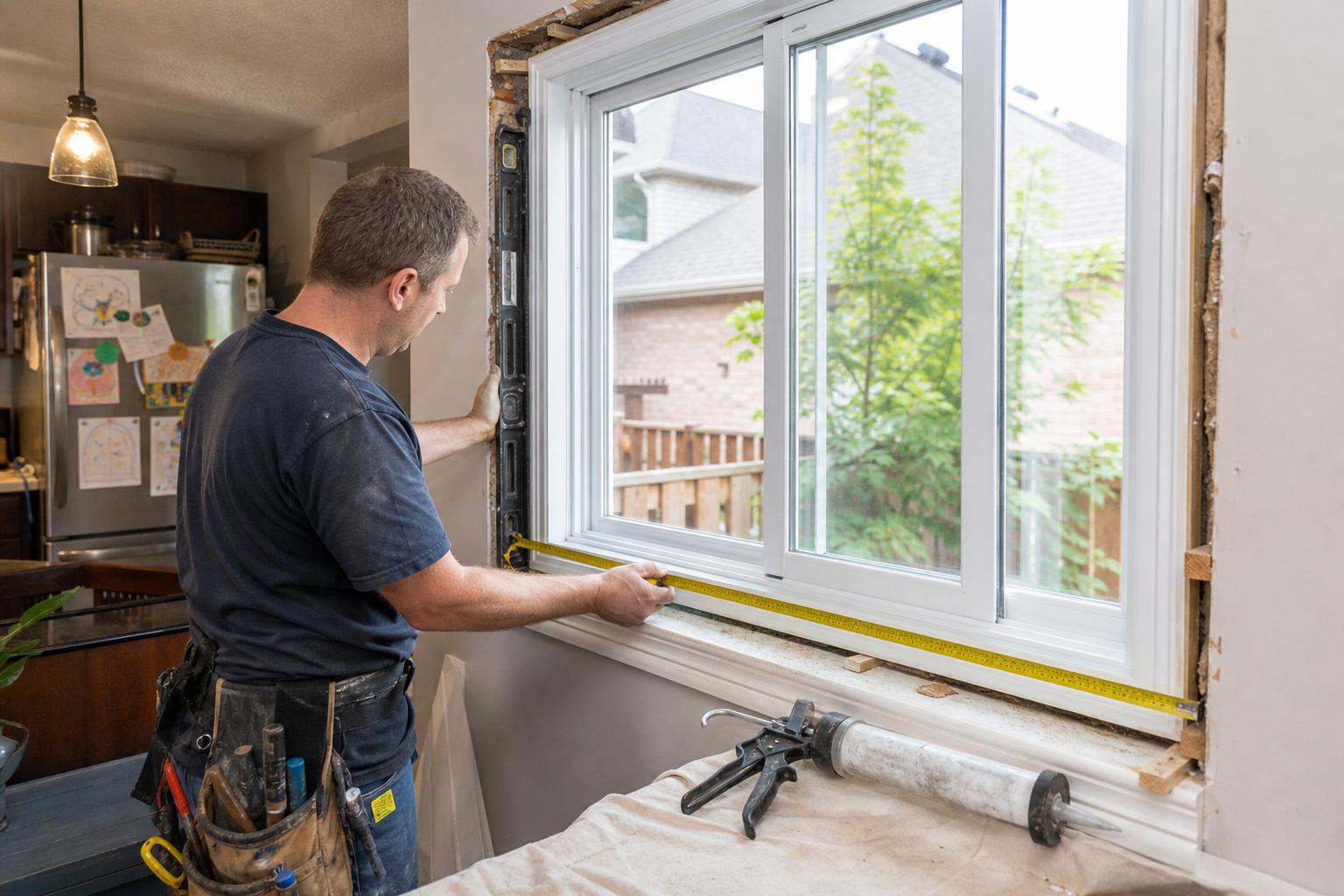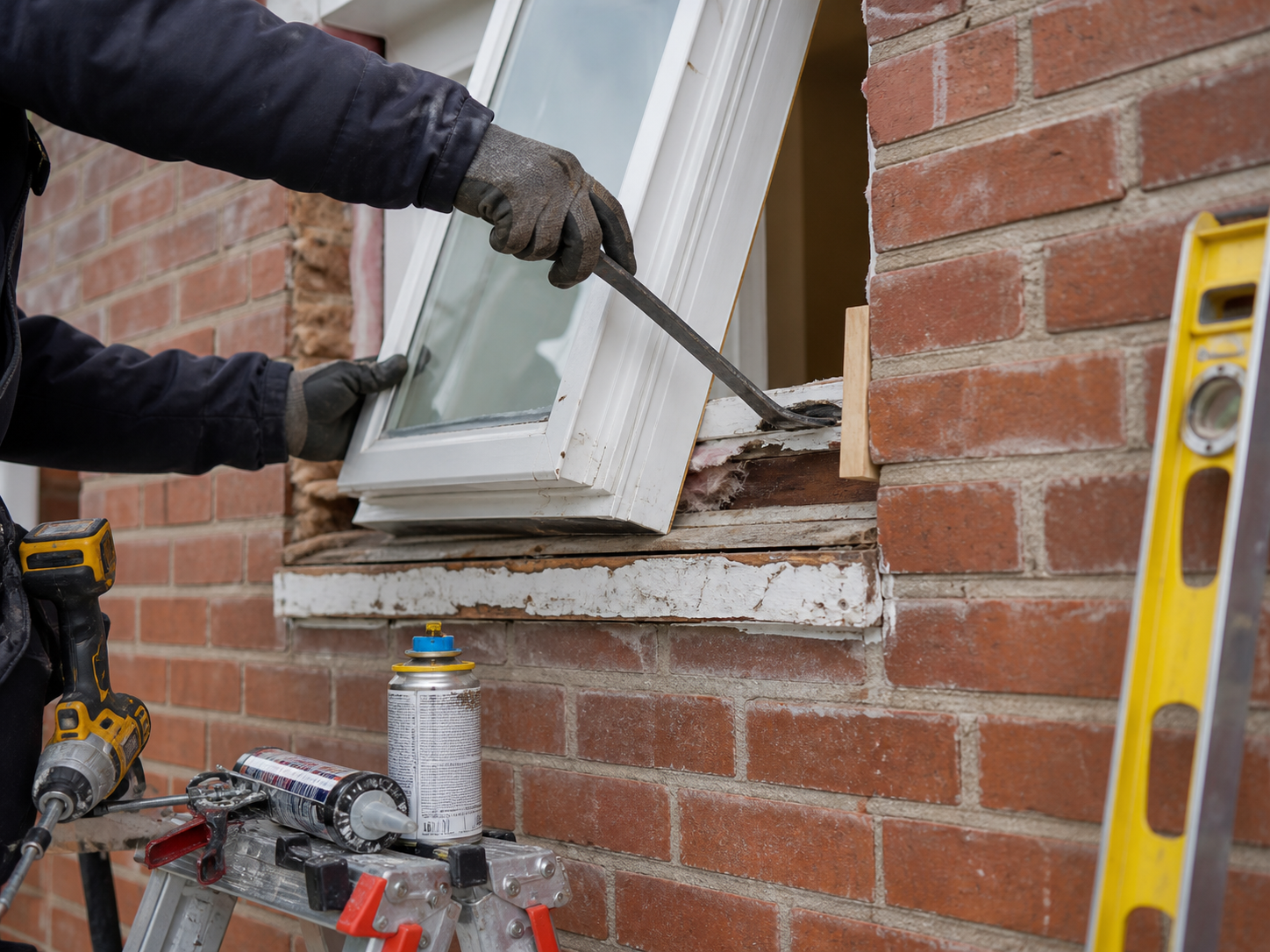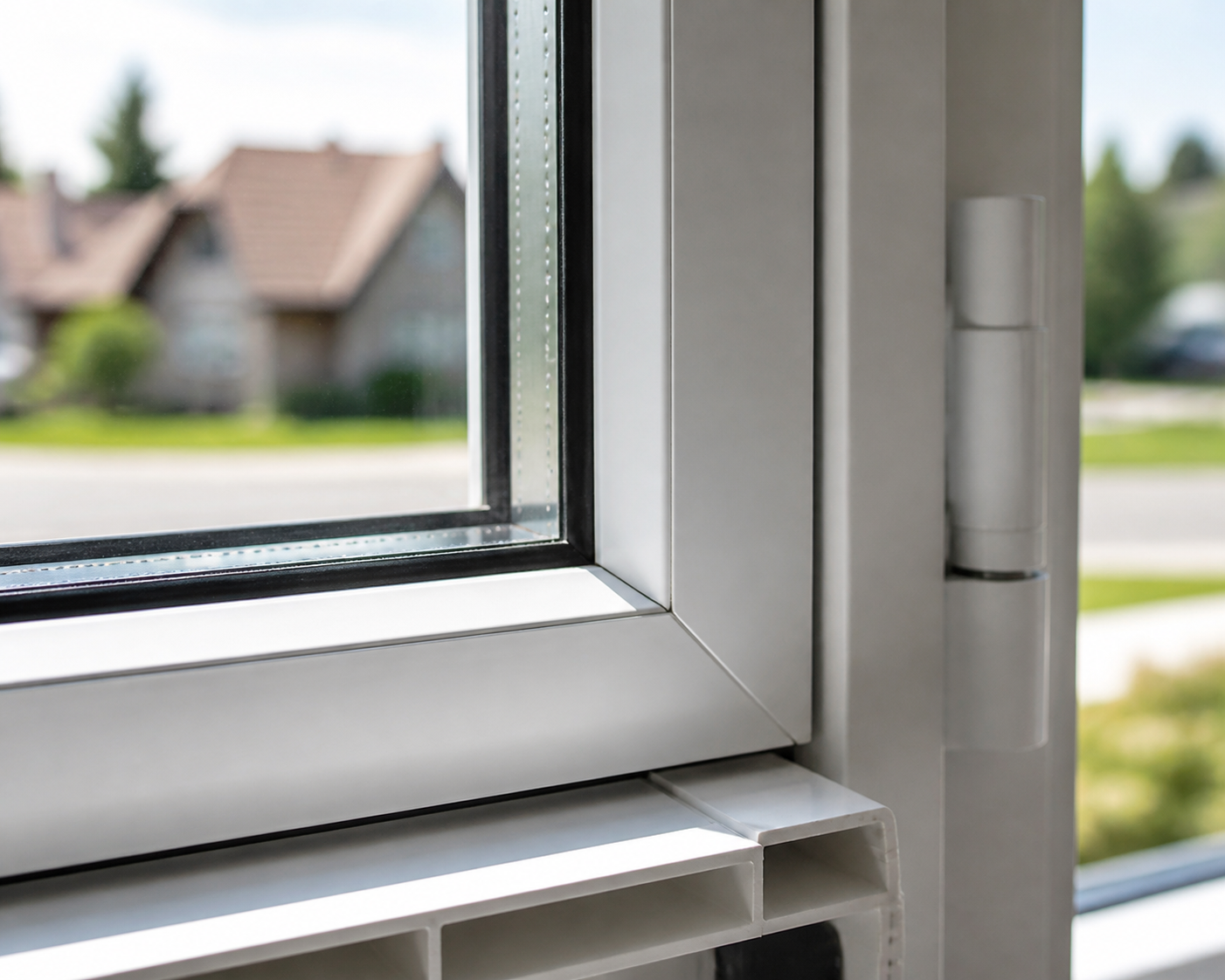
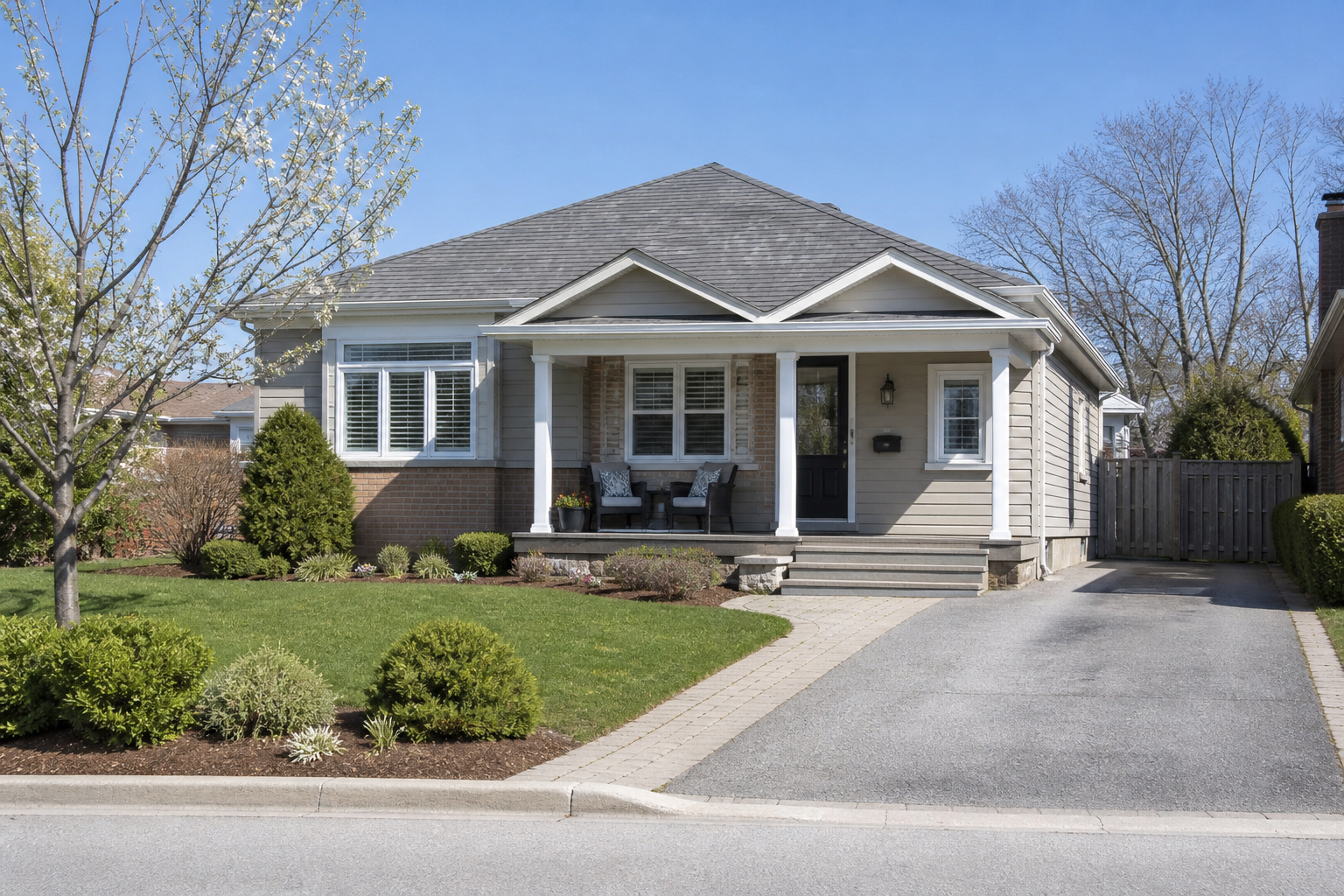
A couple in East York once showed me their brand-new front window and said, "The window is nice... so why does the room still look unfinished?" The answer was simple. The trim was too skinny, too plain, and it fought the age of the house.
That happens more than people think. You spend good money on new windows, then the part your eye reads first — the frame around them — gets picked in five rushed minutes. This window trim and casing guide is about that part. Because trim doesn't just finish a window. It changes how expensive, modern, traditional, clean, or awkward the whole thing feels.
1. Trim is the part that tells your brain what style the window is
Here's the core idea: the window unit matters, but the trim is what your eye judges first. A simple vinyl picture window can look sharp and modern with flat, square casing. The same window can look fussy or dated with the wrong profile. And on an older house in Riverdale or The Annex, trim that's too thin can make a replacement window look like it shrank in the wall — because, well, it did.
People often ask us, "Is casing the same as trim?" Close enough in normal conversation. The trim is the general finished material around the window. The casing is the visible surround piece, usually inside, that covers the gap between the wall and the window frame. If you remember one thing, remember this: pick the window style and the trim style together, not as two separate decisions.
2. Interior casing can make a room feel newer, older, taller, or cheaper
Inside the house, casing does a lot of visual heavy lifting. In a newer Markham subdivision home, the usual winner is clean, flat stock — straight boards, square corners, no fancy curves. It suits open-concept rooms and doesn't fight modern baseboards. In a century home in downtown Toronto, that same trim can look a bit underdressed. Wider casing with a bit of shape often fits better.
Relative Installed Trim Cost by Style
The big choices are usually width and profile. Width is just how wide the trim board looks from the room. Profile is the shape of the edge — plain, stepped, rounded, more decorative. Wider trim tends to feel more custom. Narrow trim feels more builder-basic. That's not always bad. In a small bedroom, bulky trim can crowd the opening.
- Flat, square casing: best for modern and simple rooms
- Stepped or beveled casing: a middle ground that suits many GTA homes
- Traditional molded casing: works best where the rest of the house already has detail
Quick tip: match your window casing to your door trim before you match it to the window. If those two fight each other, the room never feels settled.
3. Exterior trim affects curb appeal, but also weather wear
Outside, trim has a tougher job. It has to look right from the street and survive Ontario weather — driving rain in April, humid July sun, freeze-thaw swings in January, the odd ice storm if we're lucky enough to call that luck. Exterior trim covers and protects the perimeter where the window meets the wall. That's also where water tries to get in.
On bungalows in Scarborough and ranch homes up in Barrie, a slightly wider exterior brickmould often looks better than a skinny surround. Brickmould is the exterior trim profile commonly used around windows and doors. It gives the opening some shadow lines and presence. On more modern homes with clean siding lines, flatter exterior trim can look better.
And yes, colour matters. White trim is forgiving. Black or dark bronze looks sharp, but every wave, joint, and speck of dust shows up. It can look fantastic on the right house. It can also be a little unforgiving — like a black car in March.
4. The best trim material is usually the one you won't curse in five years
This is where cost and maintenance split paths. Interior trim is often wood, MDF, PVC, or factory-finished composite. Exterior trim is often vinyl, aluminum-wrapped wood, PVC, or wood on older custom jobs. Each has trade-offs. None is magic.
- MDF inside: smooth and budget-friendly, but it hates repeated moisture
- Paint-grade wood inside: sturdy, easy to repaint, costs more
- PVC inside or out: moisture-resistant and stable, usually pricier
- Aluminum-wrapped exterior trim: low upkeep and common on replacement jobs
- Raw exterior wood: beautiful on the right house, but it needs paint and attention
If you have kids splashing the bathroom sill, a cottage-area mudroom, or a kitchen sink window that sees lots of condensation, I lean away from MDF there. In my years doing this, the callbacks are not about the idea of MDF. They're about where it was used.
For most GTA replacement jobs, low-maintenance exterior trim wins. If you're already looking at Toronto & the GTA service area, chances are you want something that handles weather without adding another weekend chore.
5. Trim cost usually climbs because of labour, not because the board itself is fancy
People expect the material to be the expensive part. Sometimes it is. But often the jump comes from labour — coping corners, scribing old plaster walls, rebuilding rotten exterior wood, matching existing trim in one room but not another. Old houses do this to us all the time.

A simple, flat interior casing package can be fairly modest. Wider trim, stain-grade wood, custom profiles, or detailed headers can push the number up fast. Same outside. Clean aluminum capping over sound wood is one thing. Rebuilding soft exterior trim because water has been sneaking in for years is another thing entirely.
I won't invent neat prices because they swing too much by house and scope, but here are honest patterns: interior trim upgrades are often a manageable add-on when you're already replacing windows, while custom exterior detail work can move a quote more than people expect. That's why we talk through it before the order goes in, not after the old windows are out.
If you're already comparing units, this is also where style matters. A clean casement window often pairs nicely with simple trim, while busier trim around a busy grille pattern can start to feel like too much is happening.
6. The house usually tells you what trim belongs there
You don't need to be a designer. Just read the house honestly. A 1960s bungalow in North York wants different trim than a newer detached in Aurora or a red-brick Victorian in Cabbagetown. The biggest mistake I see is trying to force one Pinterest idea onto a house that clearly wants something else.
We had a job in Newmarket where the client first wanted chunky farmhouse-style interior casing everywhere. Nice look. Wrong house. Once we held sample pieces up beside the existing baseboards and the low ceilings, they saw it right away. We went simpler, a bit wider than builder trim but not oversized, and the room looked calmer within about ten seconds.
A plain rule that works
If the rest of your trim is simple, keep the windows simple. If the rest of the house has older detail, echo it instead of pretending it isn't there. And if you're changing all the windows but keeping old interior trim, make sure the installer plans for that from the start. That's especially relevant on custom-shaped windows, where trim lines are harder to fake after the fact.
7. The smartest trim choice is the one that fits the install, not just the mood board
Okay, but here's the part people don't see online. Trim choices depend on how the new window is being installed. On some replacement jobs, we work within the existing interior finish and only need touch-ups. On others, especially where walls are out of square or old trim is damaged, the cleanest result is to replace more of the casing so it all lines up properly.
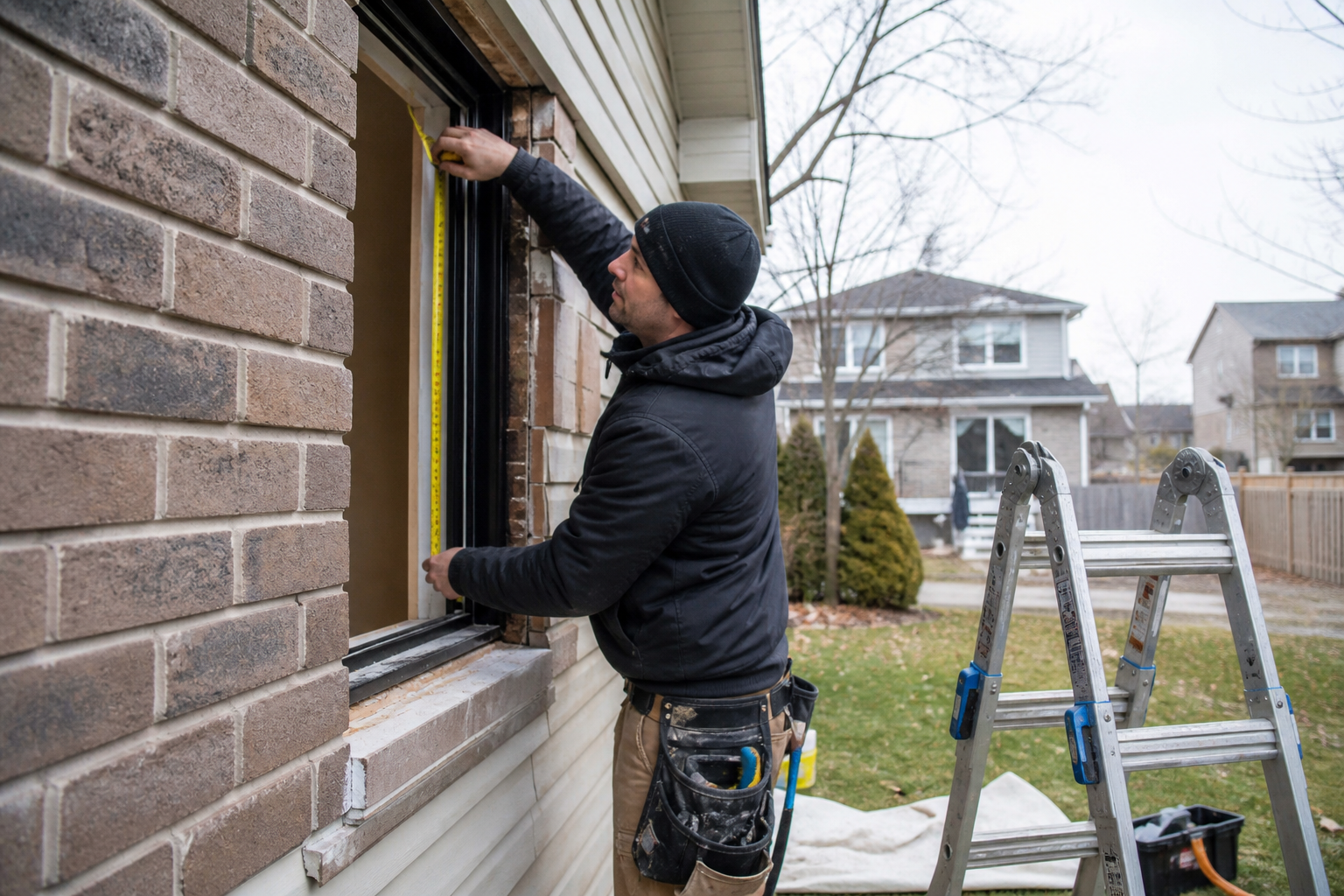
That matters because a beautiful trim idea can become a frustrating compromise if the opening is crooked, the plaster is brittle, or the outside wood is soft. We don't do glass-only repairs, so most calls we handle are full window replacements or related finishing work around them. That's where a little planning saves money and aggravation.
If you want one takeaway from this window trim and casing guide, it's this: don't treat trim as decoration added at the end. It's part of the design, part of the weather defence, and part of the budget from day one. If you're sorting through options and want a straight answer on what suits your house, you can contact us. We'll tell you if the fancy trim is worth it — and if it isn't, I'll happily save you the money.
Honestly, the right trim shouldn't shout. It should make the window look like it was always meant to be there. That's the sweet spot.